ETYMOLOGY
Fable vs. Allegory
One way to distinguish allegory from fable is to note that an allegory is a figure of speech used within a literary work and a fable is a genre or type of literary work.
An allegory is an extended metaphor in which one thing is described in terms of another. The difference between allegory and metaphor is that a metaphor can be any figure with a tenor and vehicle not using explicit comparison but an allegory normally is extended and has a narrative component.
A fable is a very short narrative, using traditional subject matter, normally framed in simple language and style, and often conveying a moral point.
Francis of Assisi
Saint Francis of Assisi , born Giovanni di Pietro di Bernardone, informally named as Francesco (1181/1182 – 3 October 1226), was an Italian Roman Catholic friar and preacher. He founded the men's Order of Friars Minor, the women’s Order of Saint Clare, the Third Order of Saint Francis and the Custody of the Holy Land. Francis is one of the most venerated religious figures in history.

St.Peter
Saint Peter, also known as Simon Peter, Simeon, or Simōn About this sound pronunciation, according to the New Testament, was one of the Twelve Apostles of Jesus Christ, leaders of the early Christian Church. He is also the "Apostle of the Apostles", an honor 3rd-century theologian Hippolytus of Rome gave him, and the first pope of the Roman Catholic Church, ordained by Jesus in the "Rock of My Church" dialogue in Matthew 16:18. The ancient Christian churches all venerate Peter as a major saint and associate him with founding the Church of Antioch and later the Church in Rome, but differ about the authority of his successors in present-day Christianity.Bridge Over Troubled Water by Simon and Garfunkel
Scarborough Fair by Simon and Garfunkel
 To Helen
Related Poem Content Details
VOCABULARY
nascent adjective / only recently formed or started, but likely to grow larger quickly
felicitous adjective / suitable or right and expressing well the intended thought or feeling
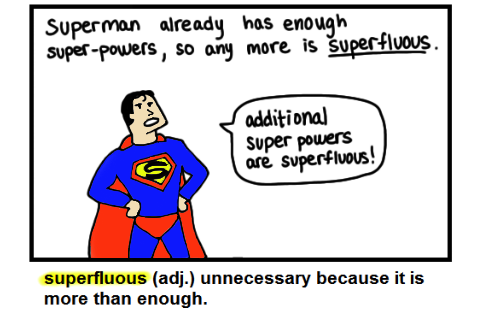
superfluous adjective / more than is needed or wanted
homogeneous adjective / consisting of parts or people that are similar to each other or are of the same type
trend noun / a general development or change in a situation or in the way that people are behaving

foist
>> foist sth on sb : to force someone to have or experience something they do not want
reticent adjective / unwilling to speak about your thoughts or feelings
tantalize verb / to make someone feel excited or attracted by an offer or a suggestion of something that is, in fact, unlikely to happen

facet noun / one part of a subject, situation, etc. that has many parts
infraction noun / an occasion when someone breaks a rule or law

heinous adjective / very bad and shocking

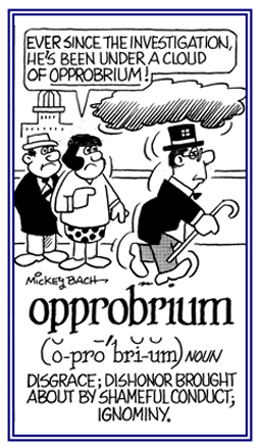
opprobrium noun / severe criticism and blame
imperceptible adjective / unable to be noticed or felt because of being very slight

staunch adjective / always loyal in supporting a person, organization, or set of beliefs or opinions
限會員,要發表迴響,請先登入


