ETMOLOGY
 The Lord's Prayer, also called the Our Father or Pater Noster among other names, is a venerated Christian prayer that, according to the New Testament, was taught by Jesus to his disciples. Two versions of it are recorded: a longer form in the Gospel of Matthew as part of the Sermon on the Mount, and a shorter form in the Gospel of Luke as a response by Jesus to a request by "one of his disciples" to teach them "to pray as John taught his disciples." The context of the prayer in Matthew is a discourse deploring people who pray ostentatiously.
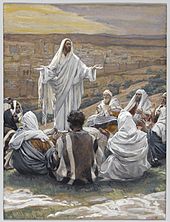
Matthew 6:9–13 (NRSV)
Our Father in heaven, hallowed be your name. Your kingdom come. Your will be done, on earth as it is in heaven. Give us this day our daily bread. And forgive us our debts, as we also have forgiven our debtors. And do not bring us to the time of trial, but rescue us from the evil one.
Luke 11:2–4 (NRSV)
Father, hallowed be your name. Your kingdom come. Give us each day our daily bread. And forgive us our sins, for we ourselves forgive everyone indebted to us. And do not bring us to the time of trial.
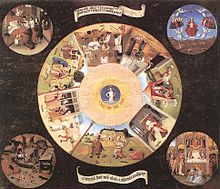
The seven deadly sins, also known as the capital vices or cardinal sins, is a grouping and classification of vices of Christian origin. Behaviors or habits are classified under this category if they directly give birth to other immoralities. According to the standard list, they are pride, greed, lust, envy, gluttony, wrath, and sloth, which are also contrary to the seven virtues. These sins are often thought to be abuses or excessive versions of one's natural faculties or passions
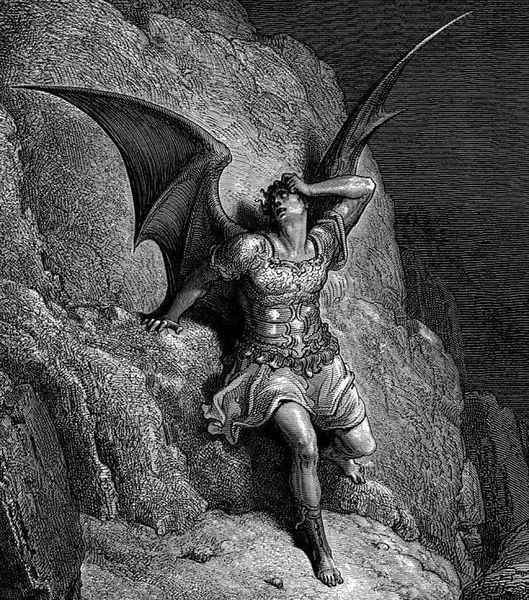
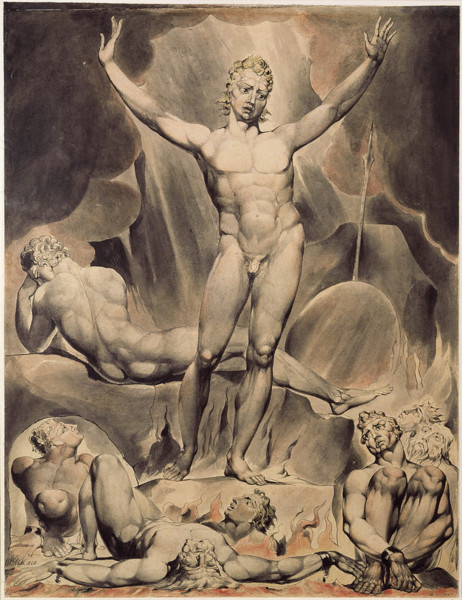
Satan is a figure appearing in the texts of the Abrahamic religions who brings evil and temptation, and is known as the deceiver who leads humanity astray. Some religious groups teach that he originated as an angel, or something of the like, who used to possess great piety and beauty, but fell because of hubris, seducing humanity into the ways of falsehood and sin, and has power in the fallen world.
Seven Virtues
>> a list of seven heavenly virtues
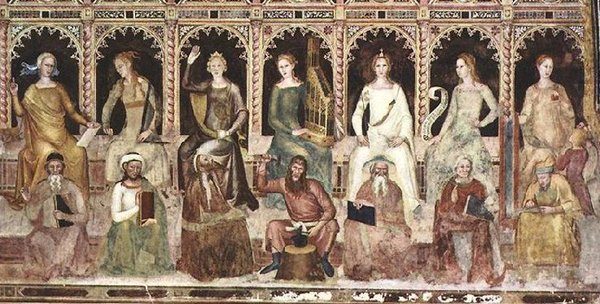
Atlas(mythology)
In Greek mythology, Atlas was a Titan condemned to hold up the sky for eternity after the Titanomachy. Although associated with various places, he became commonly identified with the Atlas Mountains in northwest Africa . Atlas was the son of the Titan Iapetus and the Oceanid Asiaor Clymene. He had many children, mostly daughters, the Hesperides, the Hyades, the Pleiades, and the nymph Calypso who lived on the island Ogygia. According to the ancient Greek poet Hesiod Atlas stood at the ends of the earth towards the west.
VOCABULARY
panacea noun / something that will solve all problems
eradicate verb / to get rid of something completely or destroy something bad
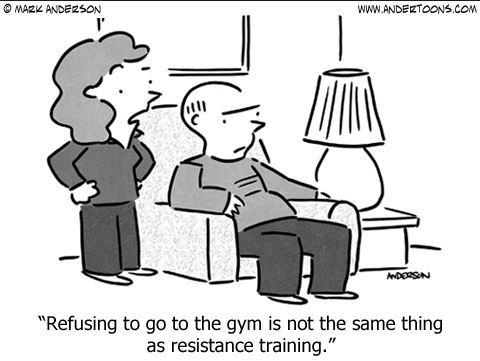
impede verb / to make it more difficult for something to happen or more difficult for someone to do something
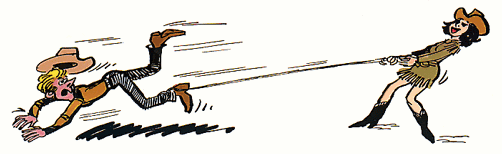
example: The woman impedes the man’s efforts to escape from her control.
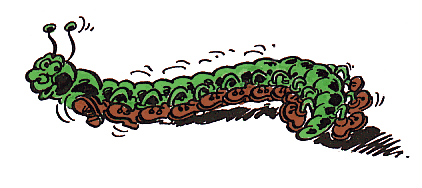 -pede : foot
decempede : Having ten feet
serenity adjective / peaceful and calm; worried by nothing
cacophony noun / an unpleasant mixture of loud sounds
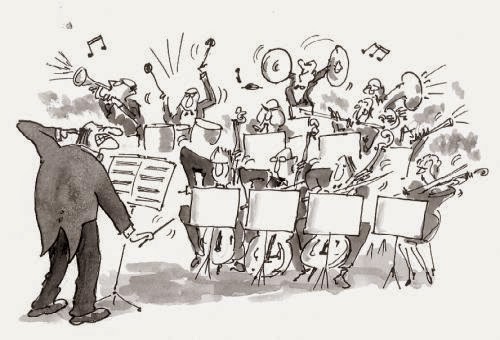
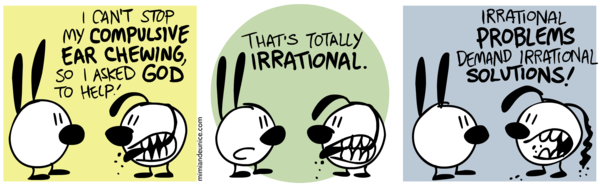
irrational adjective / not using reason or clear thinking
infallible adjective / never wrong, failing, or making a mistake
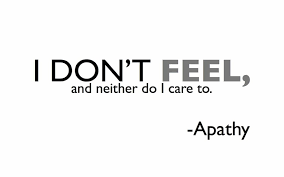
apathy noun / behaviour that shows no interest or energy and shows that someone is unwilling to take action, especially over something important
pathetic adjective / causing feelings of sadness, sympathy, or sometimes lack of respect, especially because a person or an animal is suffering
indolent adjective / showing no real interest or effort
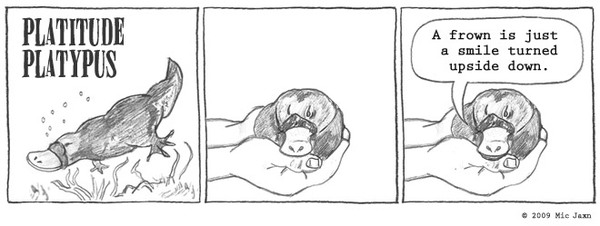
platitude noun / a remark or statement that may be true but is boring and has no meaning because it has been said so many times before
adversary noun / an enemy
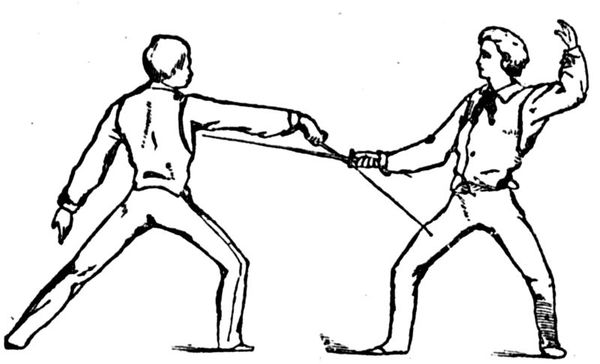
galvanize verb / to cause someone to suddenly take action, especially by shocking or exciting them in some way
peremptory adjective / expecting to be obeyed immediately and without asking questions
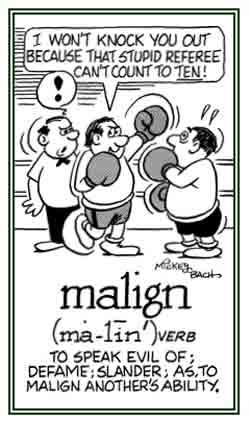
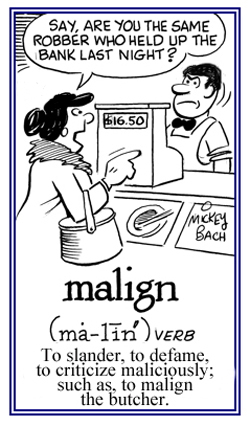
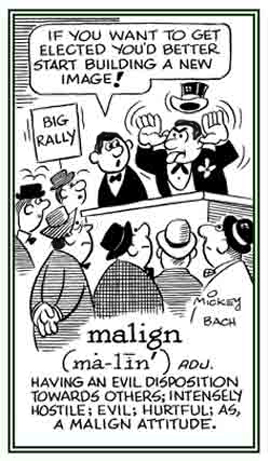
malign adjective / causing or intending to cause harm or evil
candor noun / the quality of being honest and telling the truth, especially about a difficult or embarrassing subject
限會員,要發表迴響,請先登入


