ETYMOLOGY
 Neverland is a fictional location featured in the works of J. M. Barrie and those based on them. It is an imaginary faraway place, where Peter Pan, Tinker Bell, the Lost Boys and other mythical creatures and beings live. Although not all people who come to Neverland cease to age, its best known resident famously refused to grow up, and it is often used as a metaphor for eternal childhood (and childishness), immortality, and escapism. It was first introduced as "the Never Never Land" in the theatre play Peter Pan, or The Boy Who Wouldn't Grow Up by Scottish writer J. M. Barrie, first staged in 1904.
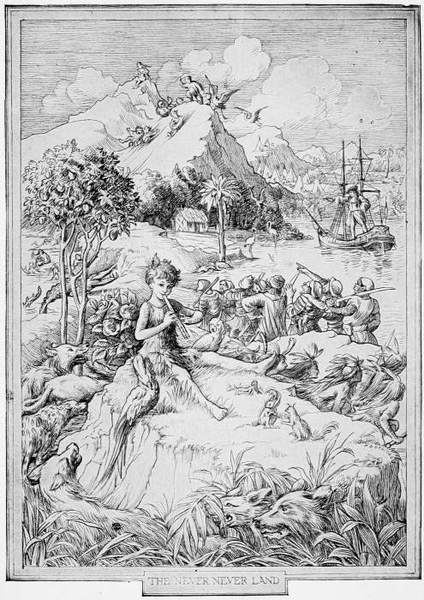
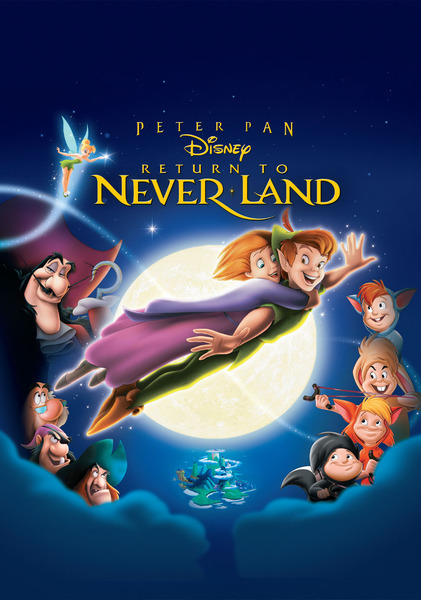
The Lost Boy - Peter Pan
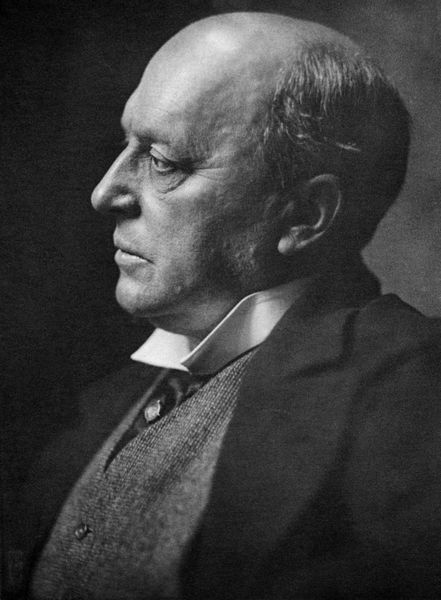
Henry James
Henry James was an American-born British writer. He is regarded as one of the key figures of 19th-century literary realism.He is best known for a number of novels showing Americans encountering Europe and Europeans. His method of writing from a character's point of view allowed him to explore issues related to consciousness and perception, and his style in later works has been compared to impressionist painting. His imaginative use of point of view, interior monologue and unreliable narrators brought a new depth to narrative fiction.
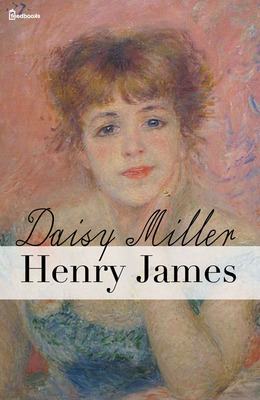
Daisy Miller is a novella by Henry James that first appeared in Cornhill Magazine in June–July 1878, and in book form the following year.It portrays the courtship of the beautiful American girl Daisy Miller by Winterbourne, a sophisticated compatriot of hers. His pursuit of her is hampered by her own flirtatiousness, which is frowned upon by the other expatriates when they meet in Switzerland and Italy.
Think of me - Phantom of the Opera
VOCABULARY
cryptic adjective / mysterious and difficult to understand
importune verb / to make repeated, forceful requests for something, usually in a way that is annoying or causing slight problems
viable adjective / able to work as intended or able to succeed
incredulous adjective / not wanting or not able to believe something, and usually showing this

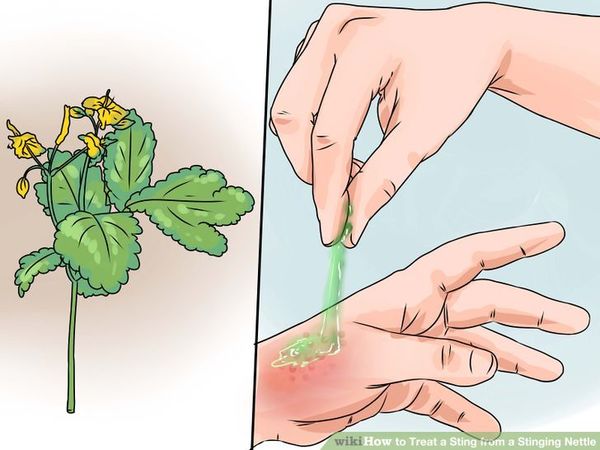
nettled noun / a wild plant with heart-shaped leaves that are covered in hairs that sting (= cause a painful reaction when touched)
inveighed / to strongly criticize something or someone
△inveigh against sb/sth
scurry verb / to move quickly, with small, short steps
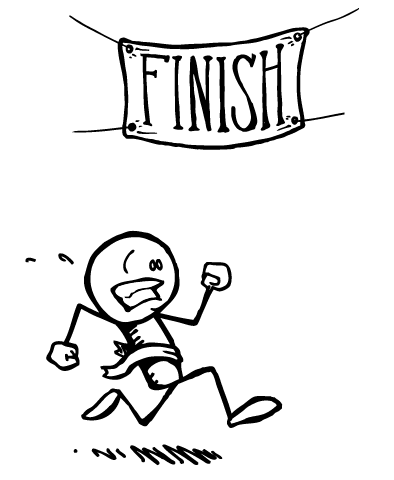
abrogate verb / to end a law, agreement, or custom formally
culpable adjective / deserving to be blamed or considered responsible for something bad
recant verb / to announce in public that your past beliefs or statements were wrong and that you no longer agree with them
controversial adjective / causing disagreement or discussion

限會員,要發表迴響,請先登入


