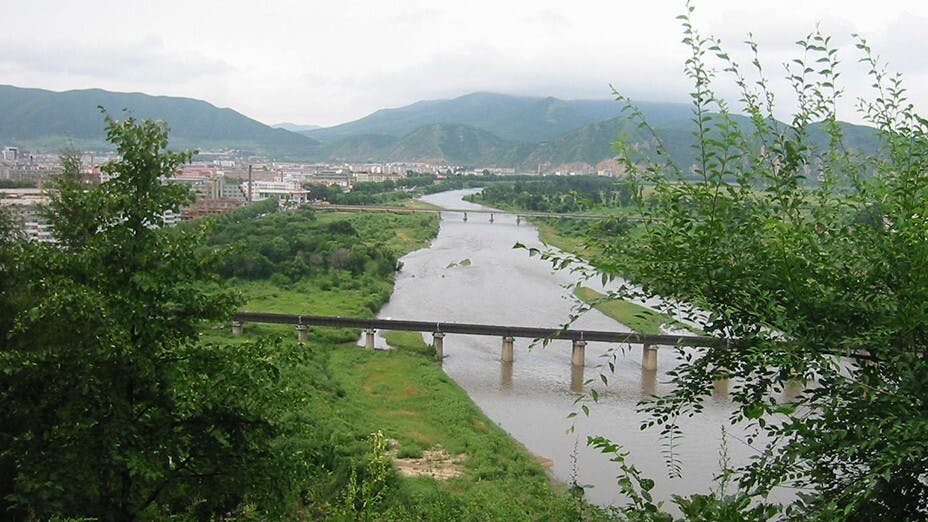
“China Seeks Tumen River Access Through Alignment
.With North Korea and Russia” East Sea Could Emerge


 ..
..
.
 North Korea, Russia and China: from cooperation of pure convenience, to asymmetrical anti-Western strategic cooperation?.
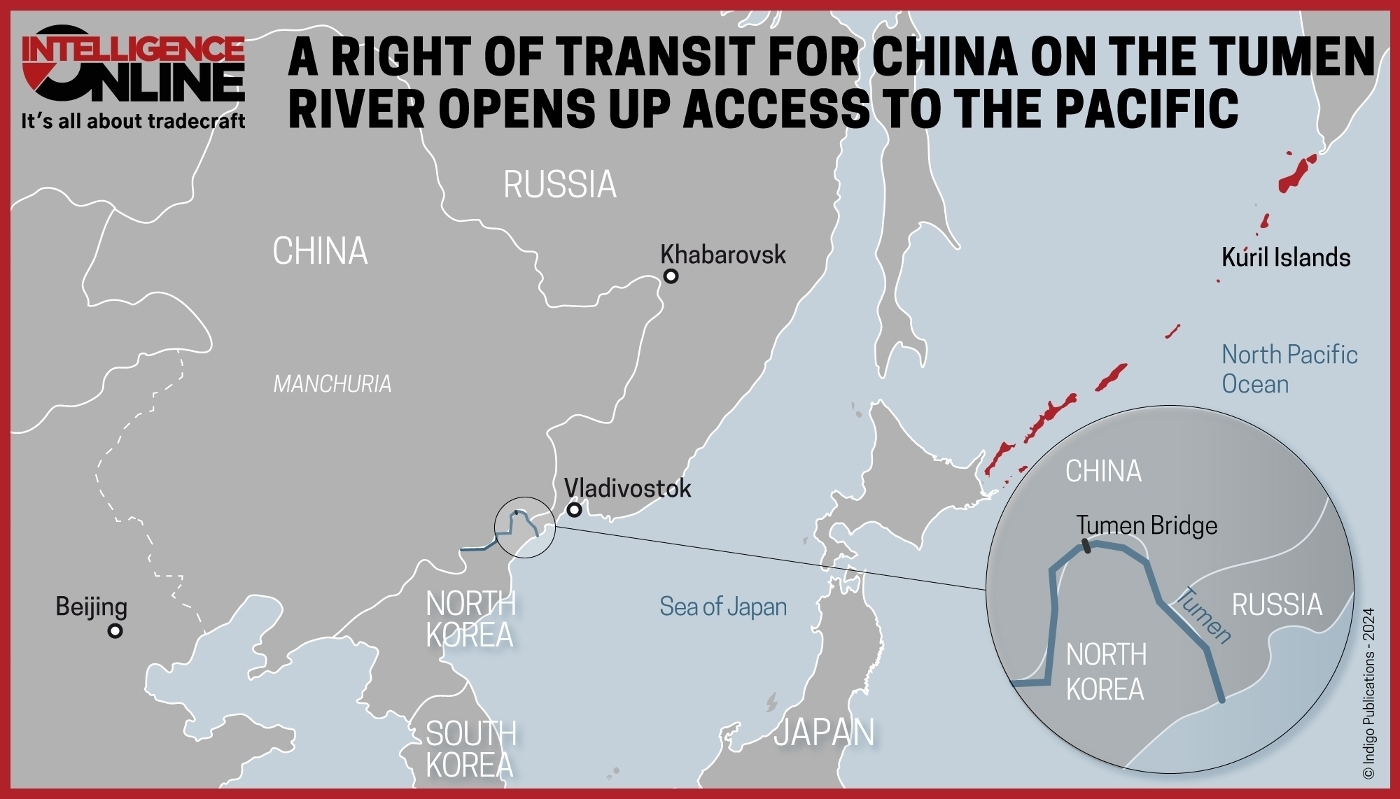
China and Russia plan to consult with North Korea on Chinas access to the sea through the lower reaches of the Tumen River.
For a long time, the Tumen River sea access issue has been a bottleneck for the development of northeast China.
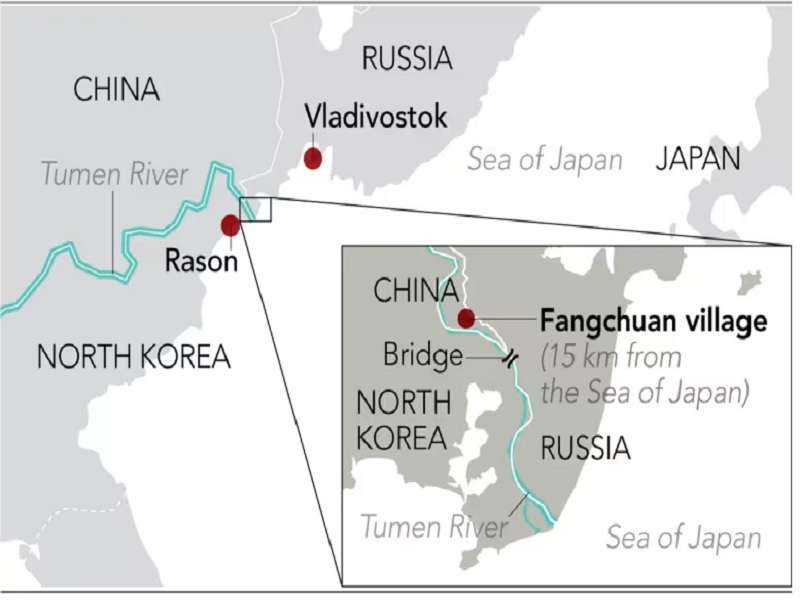
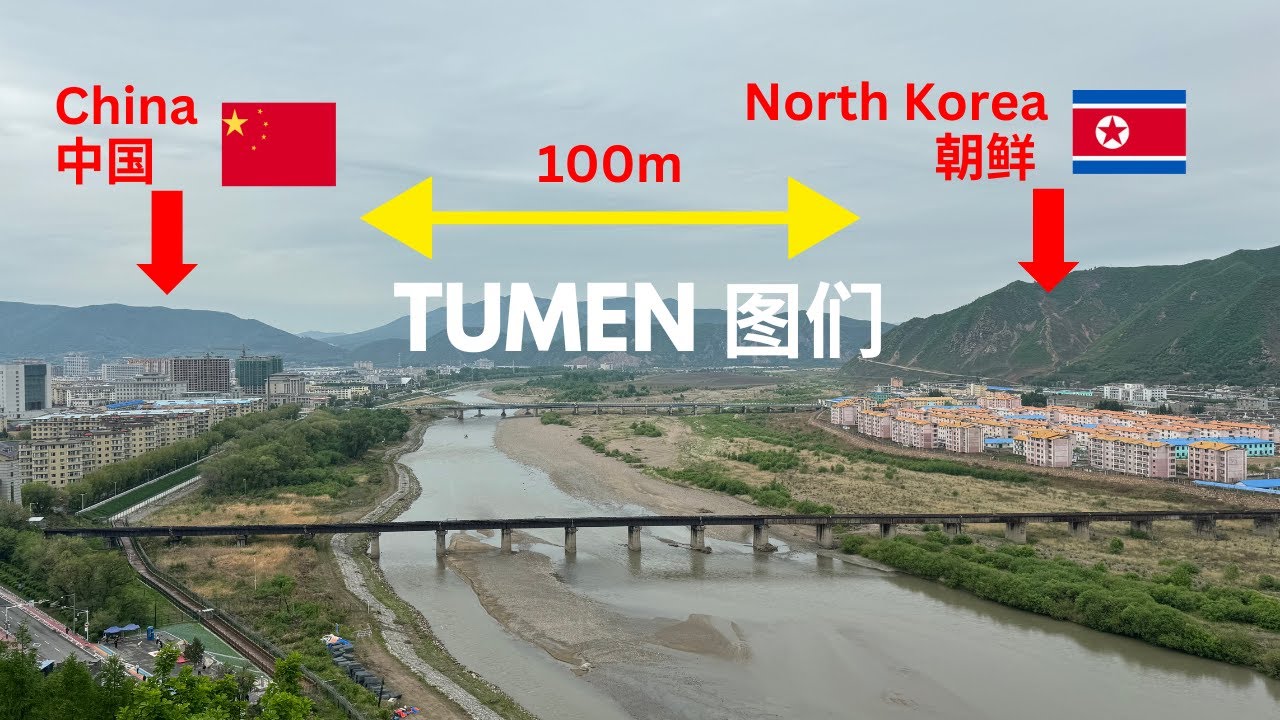
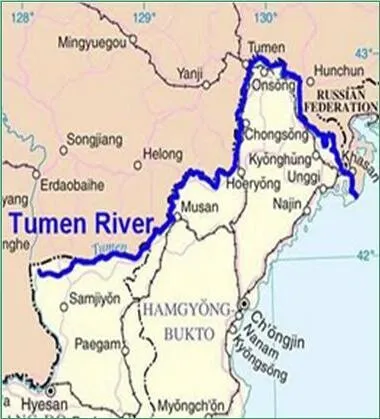
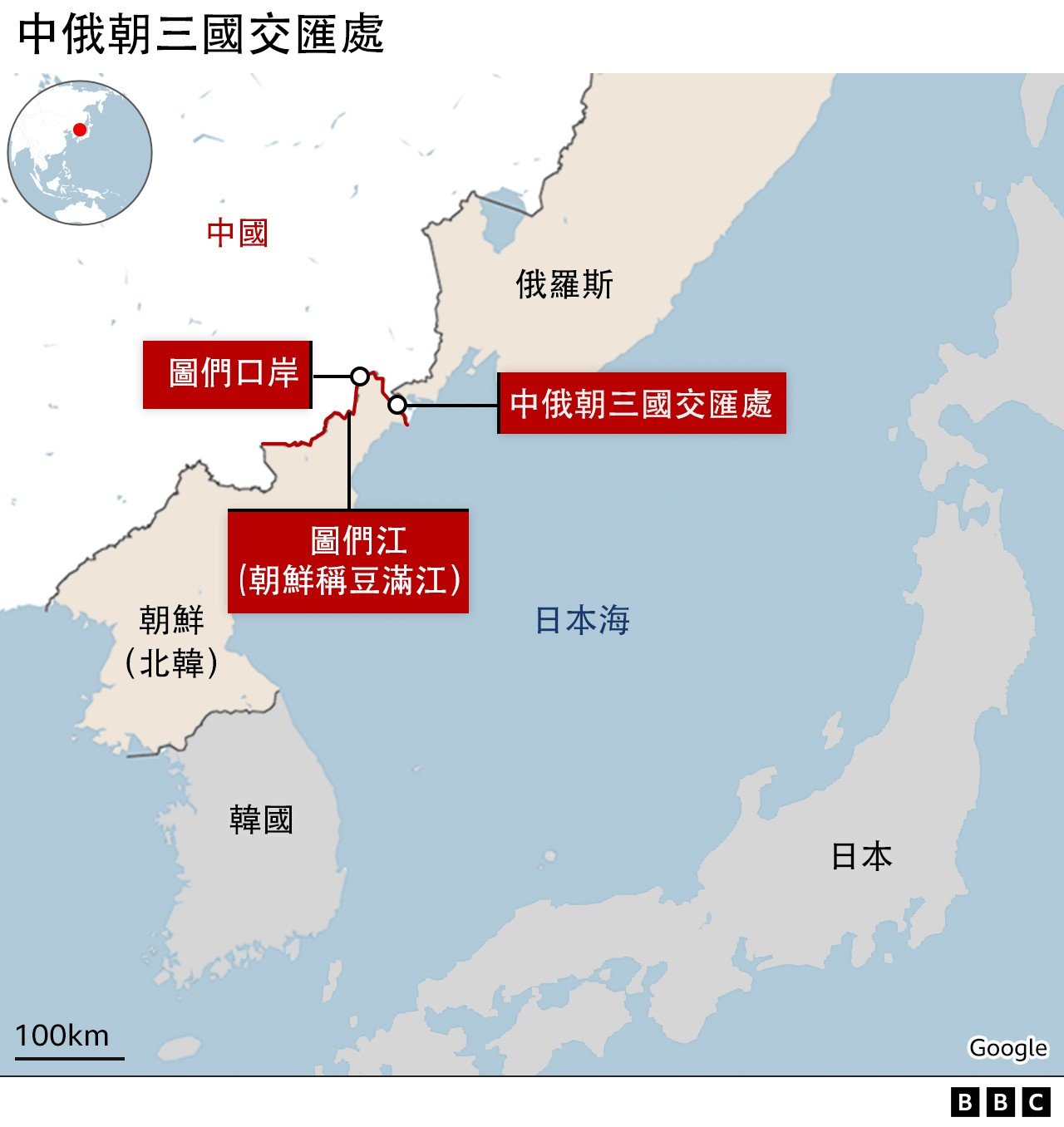
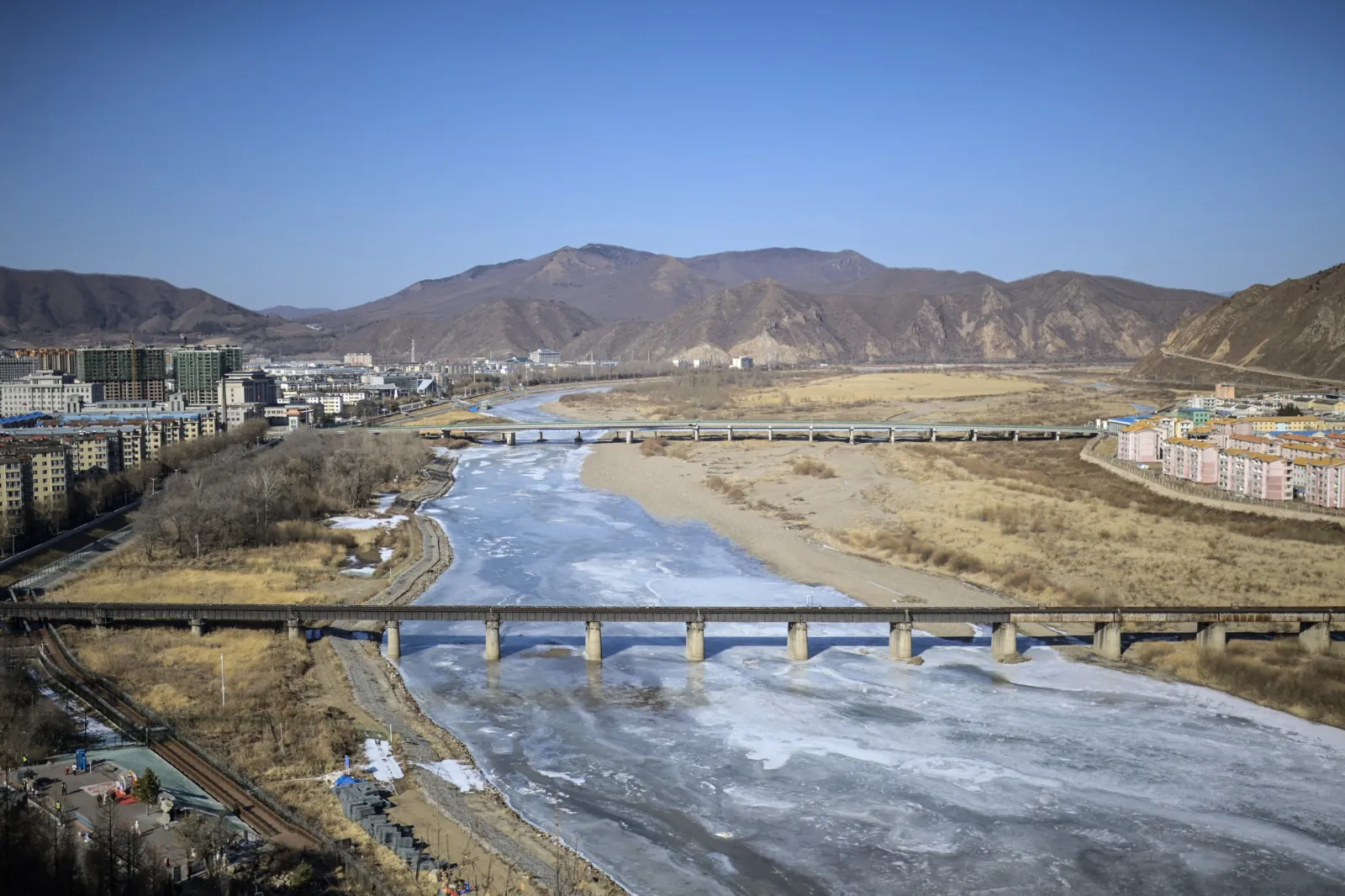
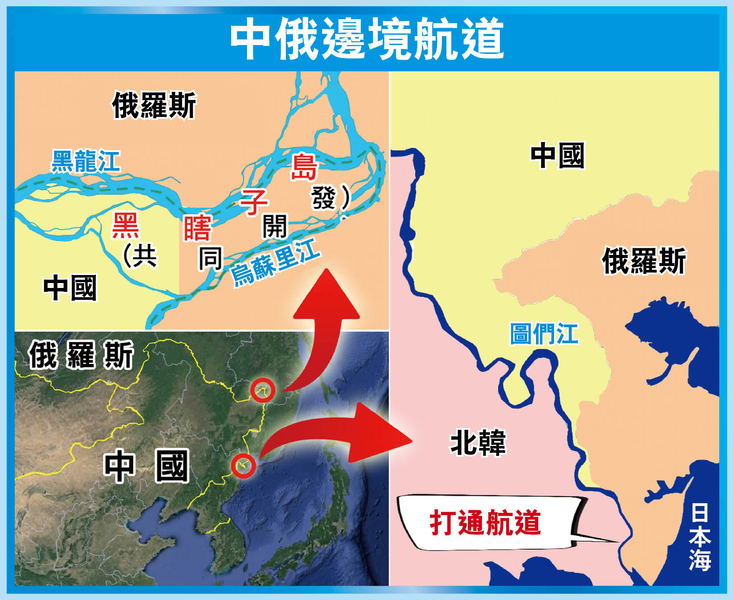
For historical reasons, the lower 15 kilometers of the Tumen River is controlled by Russia and North Korea, preventing Chinese ships from sailing freely.
Now, with the changes in the international situation and the deepening of Sino-Russian relations, the desire to open the Tumen River to the sea seems to have seen the light.
This will not only boost northeast Chinas economic development, but also provide new energy export opportunities for Russia, to the entire northeast Asian region.
This cooperation has far-reaching political and strategic significance. It will strengthen Chinese influence in Northeast Asia and enhance Chinas strategic maritime position.
For the DPRK, participation in this project will provide it with greater opportunities for economic cooperation and investment, promoting its economic development and international status.
 .
.
 ..
..
 .
.
The new plan for the Tumen River bridge, which has yet to be named, comes after Russia and China announced in May their intentions to discuss the waterways usage by Chinese ships in order to reach the Sea of Japan, known as the East Sea in both Koreas.
Beijings formal access to the strategic marginal sea in the Western Pacific Ocean currently ends about 9 miles upstream at the tripoint.
Moscow and Beijing will engage in a constructive dialogue, along with Pyongyang, on navigation in the river, according to a joint statement that followed a summit between Putin and Chinese President Xi Jinping....
202608.俄羅斯同意開放圖門江港口給予中國使用
However, Chinese commentators have complained about a new Russia-North Korea cross-border road bridge on the Tumen River which broke ground just one week before Xis Russia trip, which they said would completely block Chinese ships from sailing through the river to access the Sea of Japan.
The new bridge provides a focal point for several small differences which China appears to be downplaying amid an overwhelming positivity about ties with Russia in the Trump era.
.With North Korea and Russia” East Sea Could Emerge
The bridge is largely “ready for operation” as Russia puts the finishing touches on the border and customs facilities before the opening “in the early days of September,” Ivan Stepanov, head of the Khasan village on the Russian side of the border, told the state-run Rossiyskaya Gazeta last week.
Russian authorities see “significant economic and social potential” in the project that could bring together Russia, North Korea and also China, the official said.
“On the Korean side, just a few dozen kilometers away, lies the international seaport of Rajin, while a free economic zone is located across the nearby border in China,” Stepnov told Rossiyskaya Gazeta. “I am confident that Chinese cargo will also be transported across this bridge.”
China also is contemplated widening the river to allow larger vessels to transit, according to financial magazine Nikkei Asia.

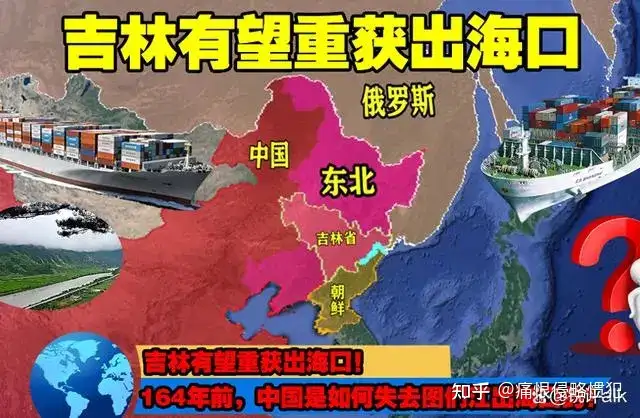
長期以來,中國東北地區,尤其是吉林省,雖鄰近日本海,卻因出海口受限於俄羅斯與北韓的領土交界,始終無法獲得直接進入日本海的通道,但現在中/俄已同意加速解決此一問題,中國也展現出強大的財政支持意願,準備撥款重新調整該地區的基礎建設,希望透過中,俄,朝,共同落實「圖們江開發計畫」,讓中國取得圖們江口出海權。
圖們江口一旦開通 中朝俄共同劍指日本
一旦圖們江出海口順利開通,將直接配合中國「十五五」計劃中的「東北振興」戰略,讓吉林省轉化為面向太平洋與北冰洋的重要門戶。這不僅是經濟上的突破,更是地緣政治的重大轉向,象徵中俄朝三方已找到共同的戰略目標,而日本則將首當其衝。
For decades, China has pursued efforts to open sections of the Tumen River to Chinese commercial shipping. Discussions surrounding development of the river estuary began during the “Northern Boom” of the early 1990s following the end of the Cold War, when enthusiasm for investment and economic cooperation with former communist bloc states surged, but little concrete progress followed. Momentum resurfaced last November when Yanbian University hosted the 15th Tumen River Forum, followed by a series of GTI-related meetings in December that elevated lower Tumen River development back onto Beijing’s strategic agenda.
中國東北地大物博,但由於缺少出海口,貨物需從陸路長程運至遼寧沿海,或俄羅斯符拉迪沃斯托克(中文稱海參崴)等港口,方可批量轉運中國東南沿海,並不便捷。圖們江航道一旦打通,中國吉林省的商品,就可直接經此海運內貿或外銷,大幅提升經濟效益。
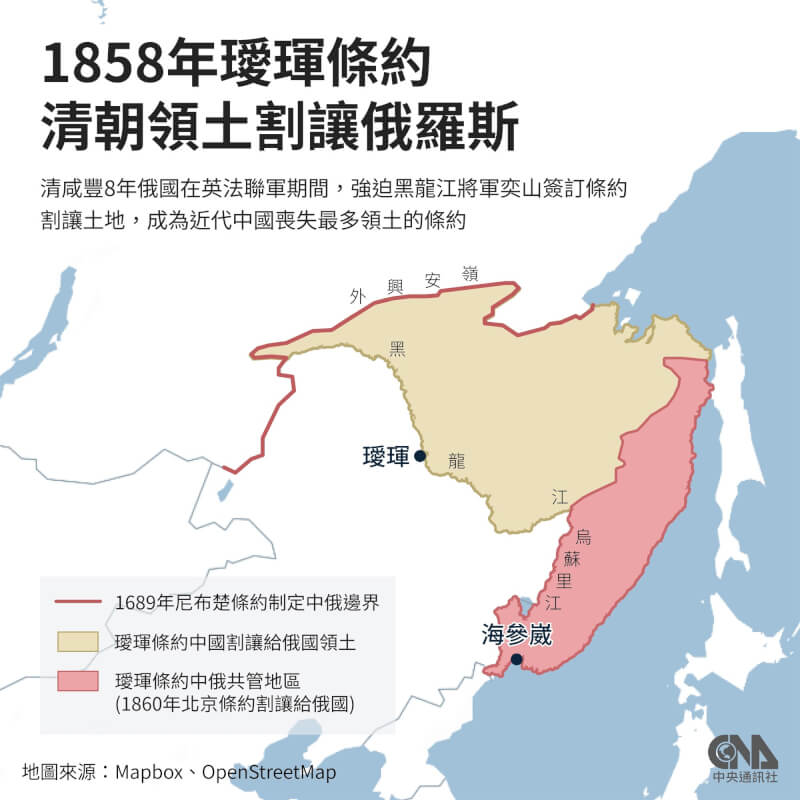
中國重獲日本海出海口,還意味日本的家門口,會同時變成中國的家門口。要知道,這個位置的地緣格局變化,書寫着東北亞近現代歷史。當年清朝衰落,俄羅斯奪得日本海出海口,本已在庫頁島與俄摩擦的日本倍感壓力,遂加快染指朝鮮,甲午戰爭後逐步予以吞併,並與俄爭逐中國東北,兩個外國終在中國土地上大戰一場。
融入「東亞聯盟」 日本需抉擇"今天中國復興,且得俄羅斯團結一致。
中國重獲日本海出海口,日韓之間對馬海峽將成中國的海上高速公路,並將整個朝鮮半島劃向中國一側。加上台灣海峽兩岸統一勢在必行,日本面對此局,又會怎樣抉擇?是繼續充當美國馬前卒,與統一的中國、俄羅斯,甚至朝鮮半島死磕?還是融入這個新世界的「東亞聯盟」?
 .
.


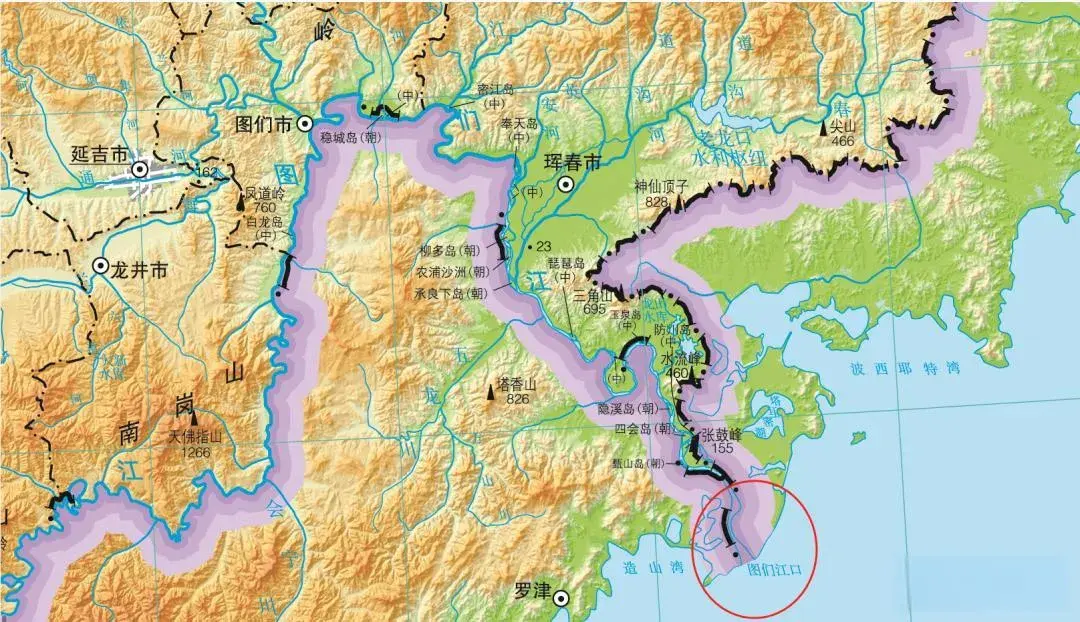
According to China’s state-run Xinhua News Agency on May 22, Chinese President Xi Jinping and Russian President Vladimir Putin signed a joint statement following summit talks at Beijing’s Great Hall of the People on May 20, pledging expanded cooperation across the economy, culture, military affairs, and transportation infrastructure. In the statement, both sides declared that “in accordance with the 1991 agreement on the eastern section of the border, trilateral consultations with the DPRK regarding access to the sea through the Tumen River will continue.” Because the lower reaches of the Tumen River border Russian territory, China cannot utilize the route without Russian cooperation.
The two sides also agreed to deepen cooperation under the framework of the Greater Tumen Initiative (GTI), strengthening collaboration among member states in trade and investment, transportation, energy, the digital economy, agriculture, tourism, and environmental cooperation to promote broader regional integration in Northeast Asia. GTI is a multilateral regional development platform centered on the lower Tumen River involving South Korea, North Korea, Mongolia, China, and Russia. For Moscow, a successful GTI framework could accelerate investment inflows into Russia’s Far East, particularly Primorsky Krai adjacent to the Tumen River basin.
 .
.