法國歸還中國文物 為什麼? 可能性 ? Will French bill on looted artifacts bring home Chinese treasures?
.
.
.
.
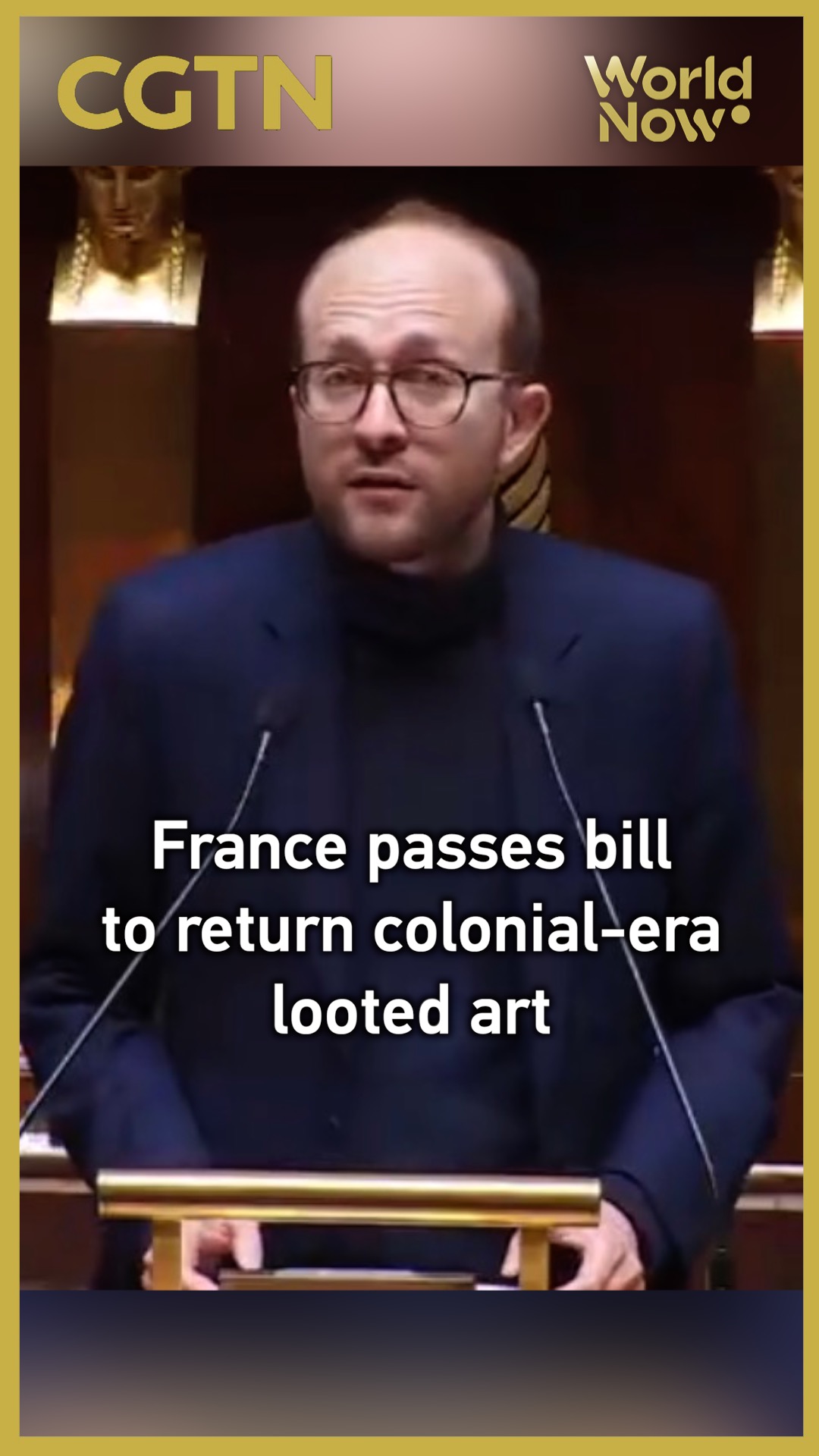
Frances National Assembly on Monday unanimously passed a bill to simplify the restitution procedure of artworks looted during the colonial era, in a move experts hailed as a major legal breakthrough in returning cultural property to countries of origin. However, they warned of challenges ahead for the recovery of displaced cultural relics, particularly those from China.
The bill is ready for further review before being signed into law by the French president.
As a premier nation in cultural heritage, France has a dedicated law stating that any cultural property collected by French state-owned museums and similar institutions, including those originating from foreign countries, is considered French cultural property, said Huo Zhengxin, professor of law at China University of Political Science and Law. He added that the law prohibits the French government from transferring ownership of such cultural property to foreign governments.
Citing a case where China and France negotiated for years to let gold ornaments stored at a French museum be finally returned to China due to the rule that state-owned cultural property is non-transferable, Huo said the recently passed bill significantly overcomes obstacles in French domestic law, marking a major.legal breakthrough..Huo, who has seen the French version of the bill, said it primarily allows the French government to return cultural artifacts unlawfully acquired from foreign countries between 1815 and 1972. The bill also includes some vague and excluded items, such as military goods, archaeological discoveries, and public archives, that are not subject to restitution, he added.
Duan Yong, an expert in Chinese overseas cultural relics research, said the bill changes the previous practice of adjusting the status of public property, which required a legislative debate process for each individual case. That practice constituted the biggest obstacle for French state-owned institutions to return looted cultural artifacts, even serving as an excuse for refusing restitution.
Notwithstanding the legislation, whether and when cultural artifacts can be recovered depends crucially on future developments, Huo emphasized.
Multiple challenges lie ahead for the repatriation of cultural relics, especially those from China, Duan said.
The French bill, once officially takes effect, will only have legal validity for French state-owned and public institutions, and not for private entities, Duan noted, adding that it does not automatically imply that Chinese cultural relics held by France will return to the motherland.
Duan also noted that the return of Chinese cultural relics from France involves a difficult provenance and review process, due to a lack of specific archival records.
According to the Chinese Society of Cultural Relics, more than 10 million Chinese artifacts have been displaced overseas since the Opium War of 1840 as a result of warfare and illicit trade. In France alone, over 2.6 million Chinese cultural relics are scattered across a slew of French museums and libraries, including the Louvre and the Palace of Fontainebleau.
Noting the vast number and variety of Chinese cultural relics in overseas collections, Duan said the illegal acquisition of relics thorugh plunder or unethical low-price purchases represents an extremely complex challenge.
Therefore, a detailed and specific analysis is required on this matter, Duan concluded.
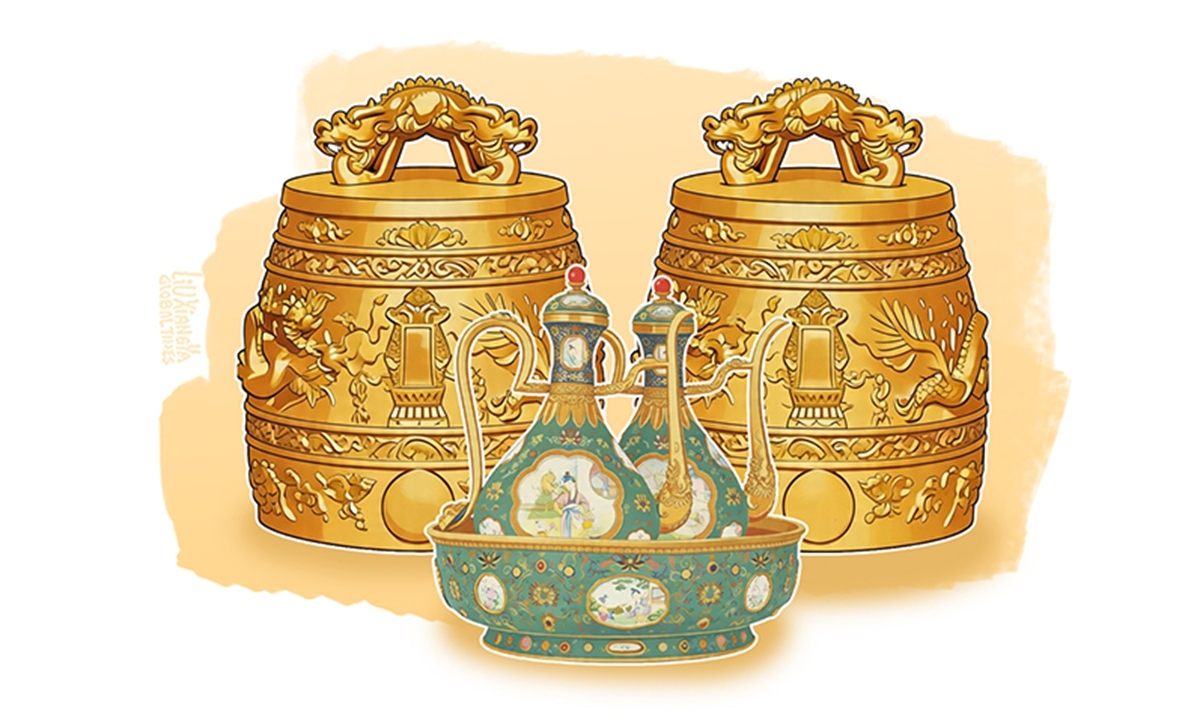
As for Duan, the cultural relics that are most hopeful and most deserving of being returned to China from France are those looted from the Old Summer Palace, which are mainly housed in the Chinese Palace at the Palace of Fontainebleau.Chinas efforts
In recent decades, China has employed a multipronged approach, including law enforcement cooperation, diplomacy, lawsuits and negotiations, to reclaim its lost artifacts.
The National Cultural Heritage Administration has initiated research on the provenance and circulation history of cultural relics lost over time.
In 2024, China revised its Law on the Protection of Cultural Relics, introducing new provisions for the repatriation of overseas artifacts and emphasizing increased inter-departmental coordination in the pursuit of these objects.
China has also engaged in international governance, signing agreements with 27 countries to prevent the illicit trafficking of cultural artifacts.
In 2025, China was elected chair of the Eighth Meeting of States Parties to the 1970 UNESCO Convention on the Means of Prohibiting and Preventing the Illicit Import, Export and Transfer of Ownership of Cultural Property, marking the first time the country has assumed the role and expanding its influence on the international stage for their repatriation.
Through a combination of legal action and diplomatic negotiation, the country saw 35 batches comprising 537 pieces of Chinese cultural relics and artworks returned home during the 14th Five-Year Plan period (2021-25) alone.
In 2025, two volumes of Chinese silk manuscripts dating back about 2,300 years were returned to China at a handover ceremony at the Chinese Embassy in Washington, D.C., thanks to cooperation between Chinese and US cultural institutions..
Will French bill on looted artifacts bring home Chinese treasures?
 .
.
Cultural relics carry unique historical significance and artistic value. The lost Chinese cultural relics from overseas are an important part of Chinas cultural heritage.
The return of lost cultural relics has long been a hot topic on Chinese social media, with many netizens calling for overseas cultural institutions to return looted Chinese artifacts.
..
.In April 2026, the French Parliament passed a bill simplifying the return of looted colonial-era artifacts, marking a significant step in repatriating Chinese cultural relics seized during the 19th-20th centuries. This move follows long-standing efforts, including the return of bronzes from the Old Summer Palace (Yuanmingyuan).
Key Aspects of Recent Developments:
- New Legislation: The French National Assembly passed a bill on April 13, 2026, to streamline the restitution of items acquired during colonial expansion.
- Scope: While largely targeting African artifacts, this legislation applies to numerous Chinese relics taken by French forces.
- Key Historic Items: Famous items returned in the past include bronzes from the Old Summer Palace and Gansu gold ornaments.
- Ongoing Issues: Despite this, an estimated 1.5 million items were taken from the Old Summer Palace in 1860.
- Context: Experts consider this a move toward justice, although the repatriation process involves complex legal challenges, necessitating ongoing tracking of the legislations implementation.
..
Concerted efforts behind France’s approval of bill on returning looted artifacts: expert..
.


中國必須小心謹慎,法國此一時彼一時的陰謀詭計,絕對不會輕易的歸還,搶劫自圓明園內的古董文物 ?
傳聞已經叫價9仟億美元或等值歐元及關稅對等交換?
法國某些利益集團自稱,保護中國古骨董文物160 餘年來有重大的付出.........
- 是否受理,由法方決定
- 是否構成“非法佔有”,由法國主導的專家機制判斷
- 是否最終歸還,由法國政府作出決定這意味著,它並不是一個對等的“權利機制”,而更接近一種國家主導的選擇機制
當年那些掠奪者,搶劫者,他們的後代隱藏這些原本屬於中國的珪寶,偷偷摸摸的私下交易,換取金錢花用,直到今日,西方國家的古董藝術品市場,地下交易神秘的進行式扔然興旺. ..
.法國總統(Emmanuel Macron)於 2026 年 3 月正式宣布啟動新一代核子動力航空母艦的建造計畫,並將這艘新航母命名為「自由法國號」(France Libre)。這艘航母預計於 2038 年服役,用於接替屆時退役的現役「戴高樂號」(Charles de Gaulle)航母,確保法國在海上戰略力量的自主性。
- 規模與性能: 「自由法國號」滿載排水量預計將高達 7.5 萬至 8 萬噸,艦長超過 300 公尺,這將使它成為歐洲有史以來最大的軍艦。
- 核子動力: 延續「戴高樂號」的核動力特色,由法國海軍集團(Naval Group)負責建造,這使得法國成為全球除美國之外,唯一具備核動力航母生產能力的國家。
- 技術升級: 這艘航母將配備美國製的電磁彈射系統(EMALS),並可操作未來的法德合作下一代戰鬥機(NGF)及無人機群。
- 成本與目標: 預計花費高達 100 億歐元,旨在應對無人機與長程飛彈威脅的新環境下,維持在高強度戰爭中的打擊與指揮能力。
- 如今法國經濟日趨衰退,通貨膨脹及失業者愈來愈多,法國無法私自印刷歐元鈔票,支出龐大的國防預算,僅有歸還搶劫自中國圓明園的古董文作為幌子,向中敲詐勒金錢,建造新的核子動力航空母艦,維持軍事力量,這樣一來與160年前火燒,中國北京圓明園,是同樣強盜的遊戲.
 .
.
.
.法國議會20260413日.通過了一項法案,旨在簡化法國在殖民時期掠奪所得文物的歸還程序。
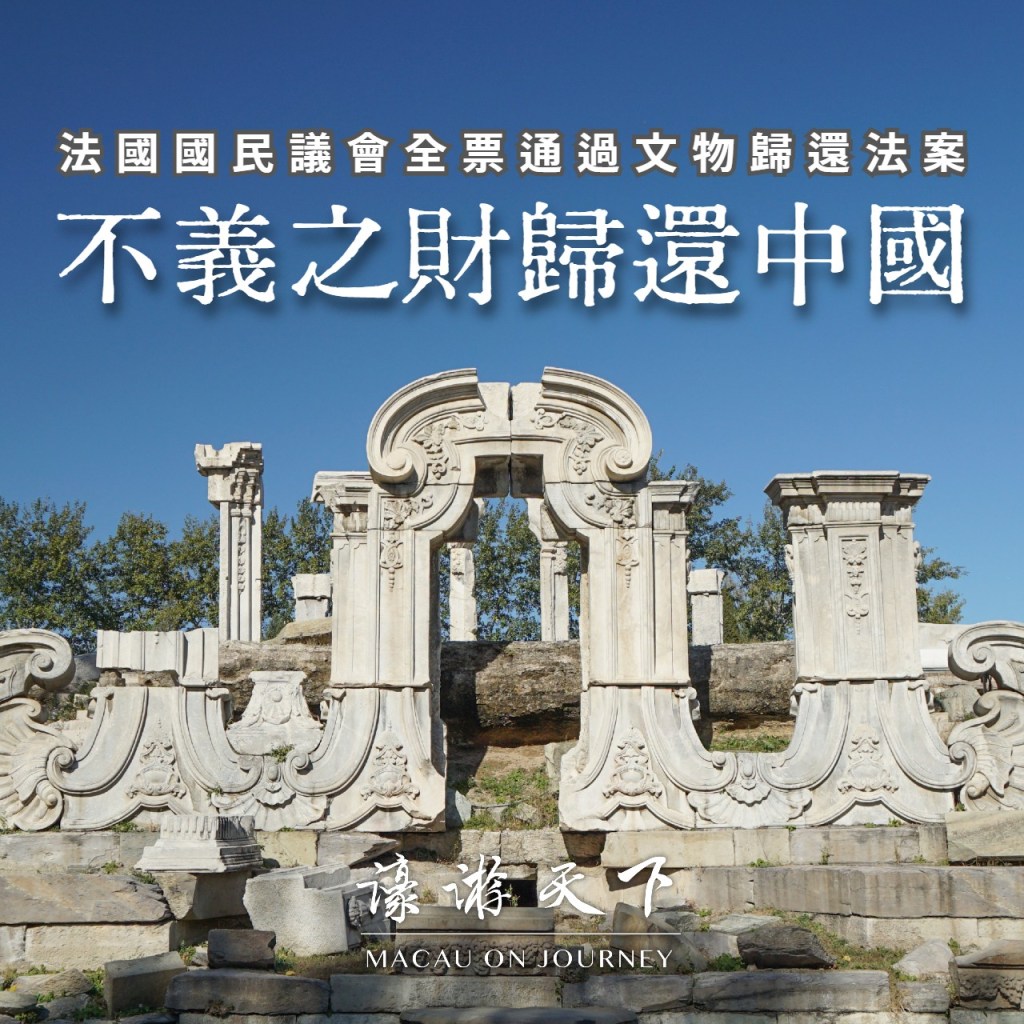
法國國民議會20260413日罕見以170票贊成、0票反對通過法案,將簡化法國在殖民時期掠奪所得文物的歸還程序;議員熱雷米帕特里耶-萊圖斯發言稱,法國文豪雨果曾說過:「法蘭西能脫胎換骨,將不義之財歸還被搶掠的中國」,他直言「這一天終於到來」。「歸還是好事,給法國點個讚」、「如果真,這才是公認的文明國家」。:還有一個「強盜」叫英吉利。.在表決現場,法國議員 Jérémie Patrier-Leitus 引用法國文豪雨果的名言,強調法國應「脫胎換骨,將不義之財歸還被搶掠的中國」。這番話語無疑是對 1860 年英法聯軍火燒圓明園歷史罪行的一次深刻反省。..
.... .
.
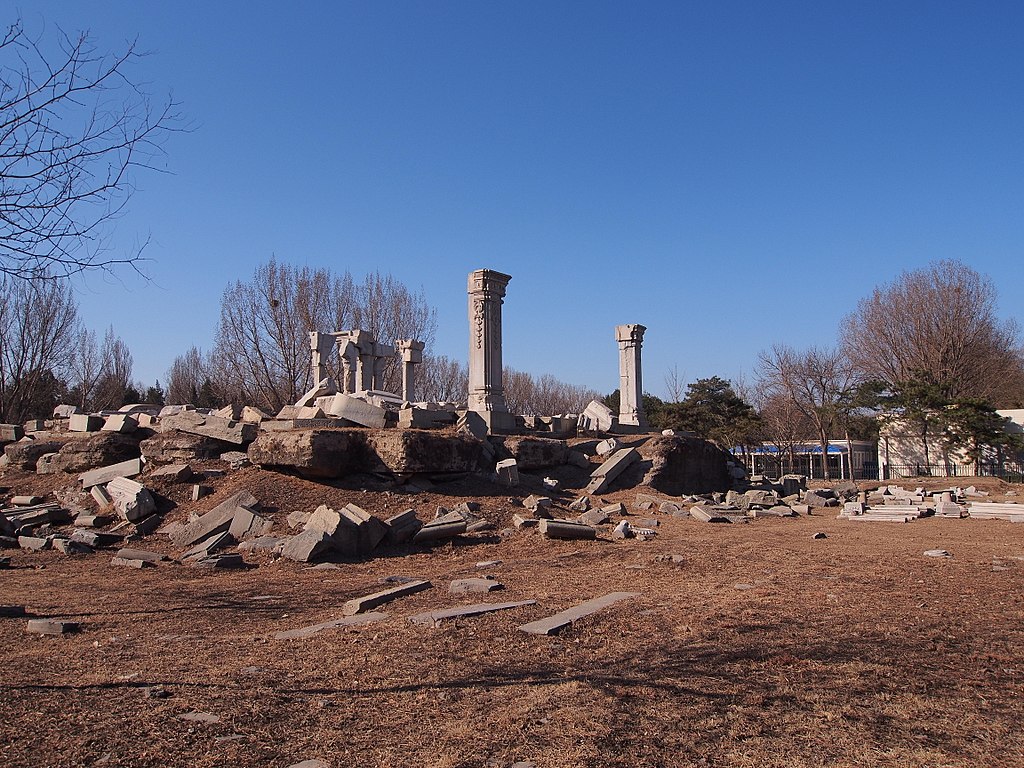
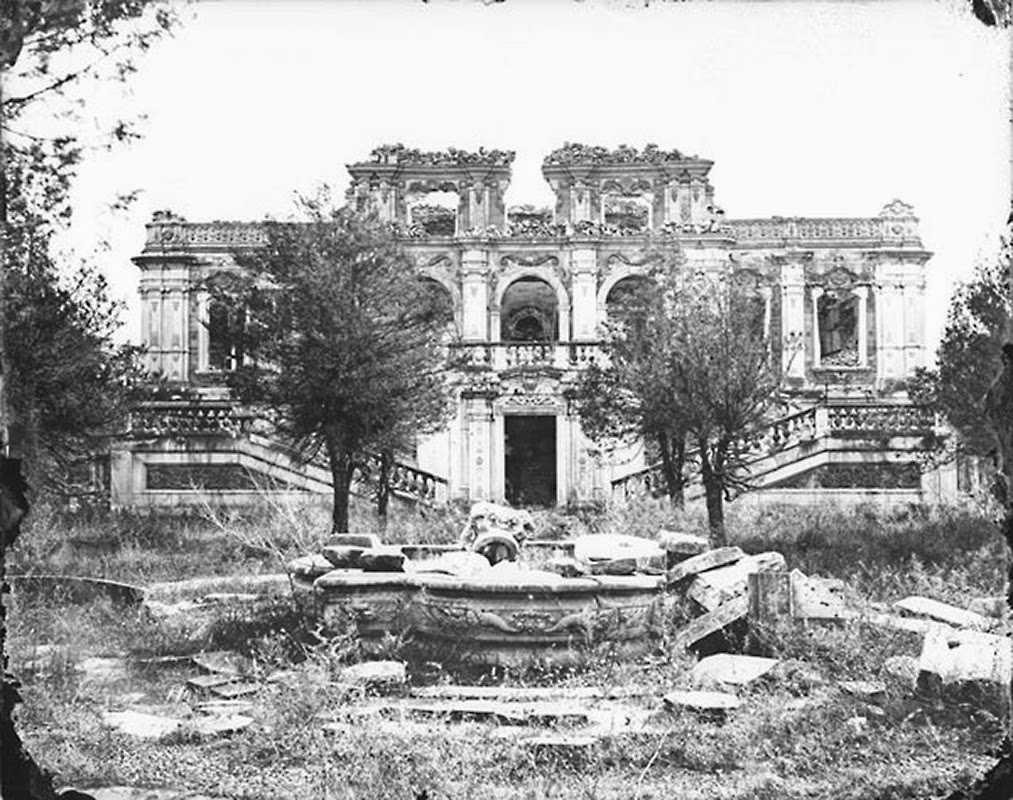
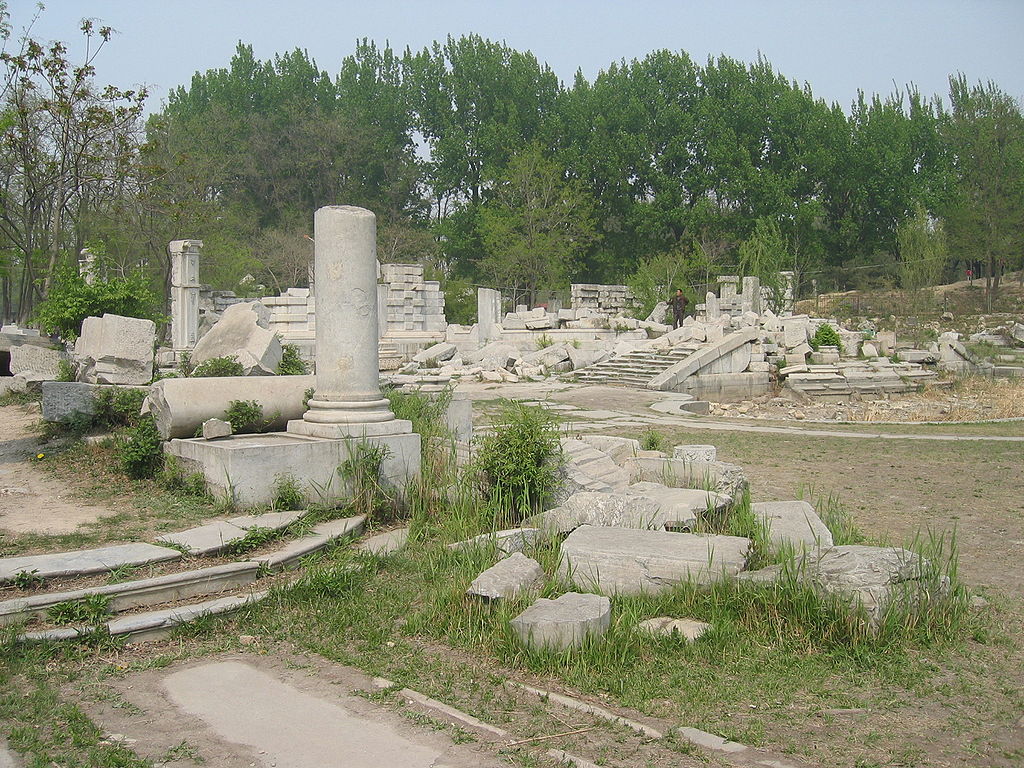
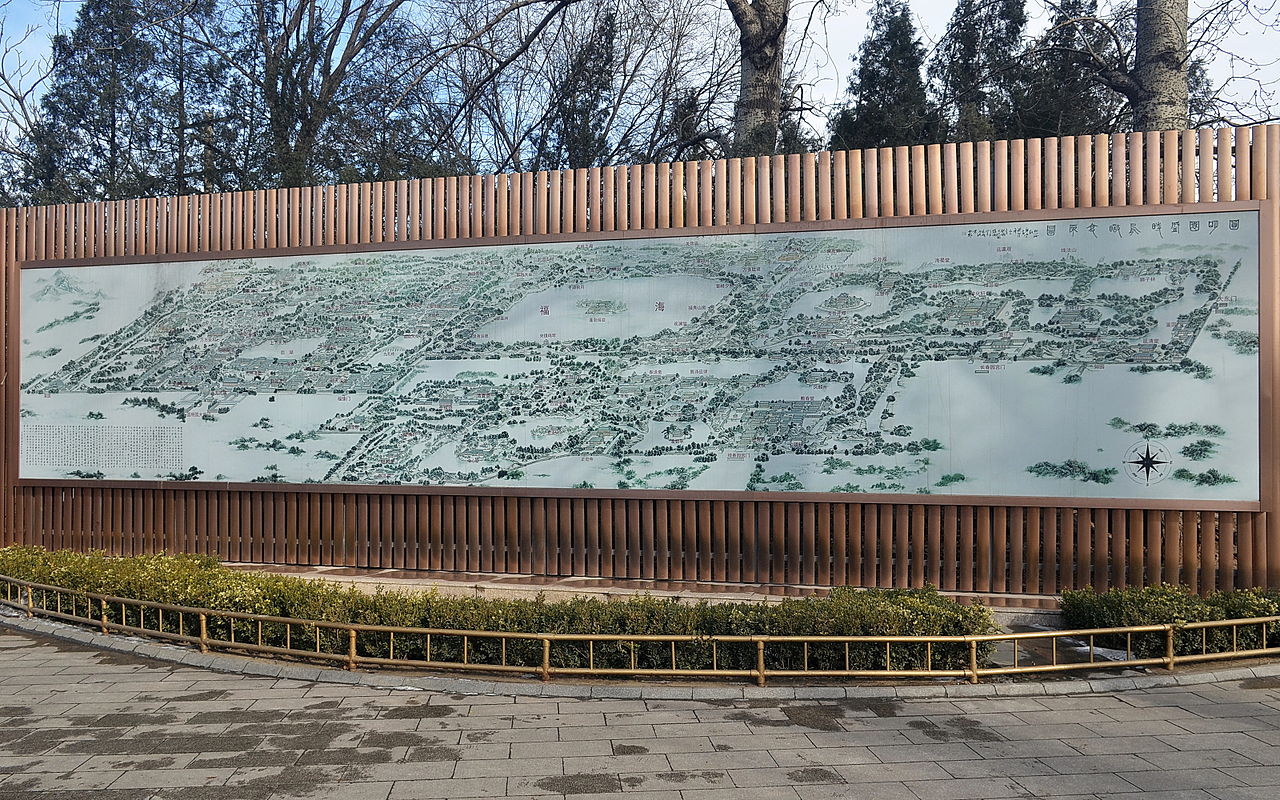
.The Old Summer Palace, known in Chinese as Yuanming Yuan ; Gardens of Perfect Brightness), and originally called the Imperial Gardens ( Yù Yuán), was a complex of palaces and gardens in present-day Haidian District, Beijing, China. It is 8 kilometres (5.0 mi) northwest of the walls of the former Imperial City section of Beijing. Constructed throughout the 18th and early 19th centuries, the Old Summer Palace was the main imperial residence of Qianlong Emperor of the Qing dynasty and his successors, and where they handled state affairs; the Forbidden City was used for formal ceremonies. Widely perceived as the pinnacle work of Chinese imperial garden and palace design, the Old Summer Palace was known for its extensive collection of gardens, its building architecture and numerous art and historical treasures. It was reputed as the "Garden of Gardens"; wàn yuán zhī yuán) in its heyday.
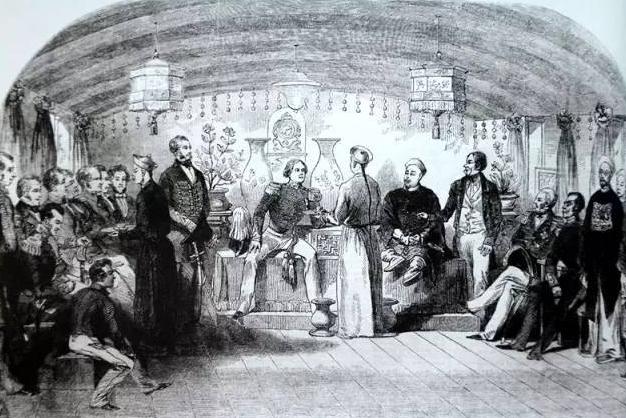
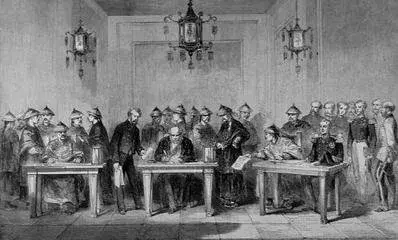
In 1860, during the Second Opium War, as the Anglo-French expedition force steadily approached Beijing, two British envoys, a journalist for The Times and a small escort of British and Indian troopers were sent to meet Prince Yi under a flag of truce[] to negotiate a Qing surrender. Meanwhile, the French and British troops reached the palace] As news emerged that the negotiation delegation had been imprisoned and tortured, resulting in 20 deaths,[] the British High Commissioner to China, Lord Elgin, retaliated by ordering the complete destruction of the palace, which was then carried out by British troops.2] The palace was so large – covering more than 3.5 square kilometres (860 acres) – that it took 4,000 men 3 days of burning to destroy it.4] Many exquisite artworks – sculptures, porcelain, jade, silk robes, elaborate textiles, gold objects and more – were looted and are now found in 47 museums around the world, according to UNESCO.
勿忘國恥1860年10月18日,英法聯軍火燒圓明園,大肆搶劫掠奪各式各樣的古董藝術品,字畫,瓷器,等等,數不清楚的中國歷代歷朝,的珍貴文物價.最後放火焚燬建築物及大型的文物..
.

.

.18601018.英法聯軍火燒圓明園之前,大肆搶奪園中珍品古玩,古董字畫,金,銀,珠,寶,皇帝御用瓷器,名貴財物等等,之後開始焚燒,破壞,炸毀建築物,尤其是12生肖噴泉,傳聞多數士兵在池塘內沐浴洗滌衣物.甚至於便溺其中..
France returns looted Chinese relics: Netizens say Hugos words have come true ?
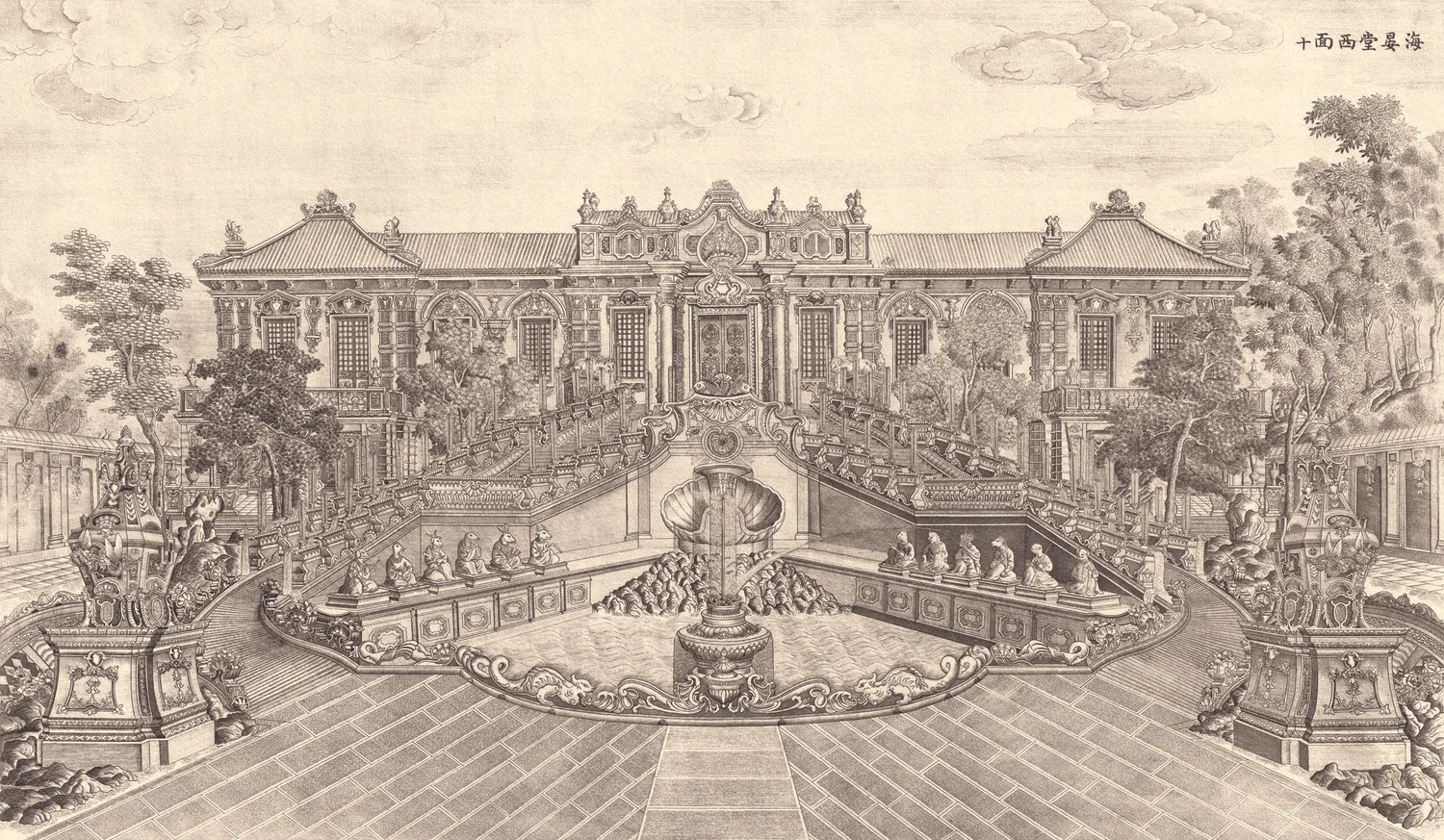

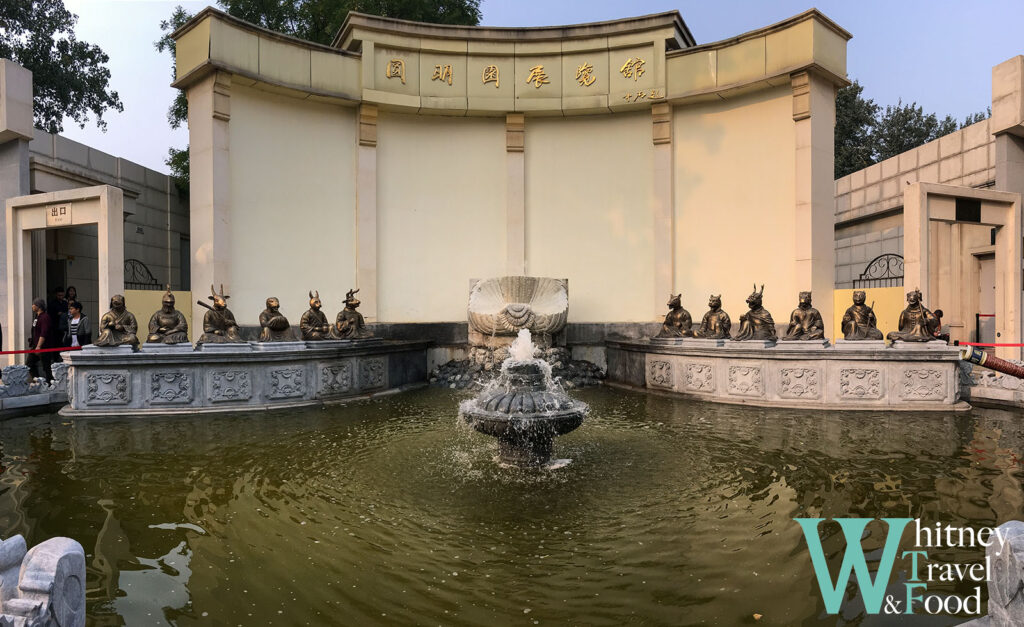
十二生肖青銅獸首
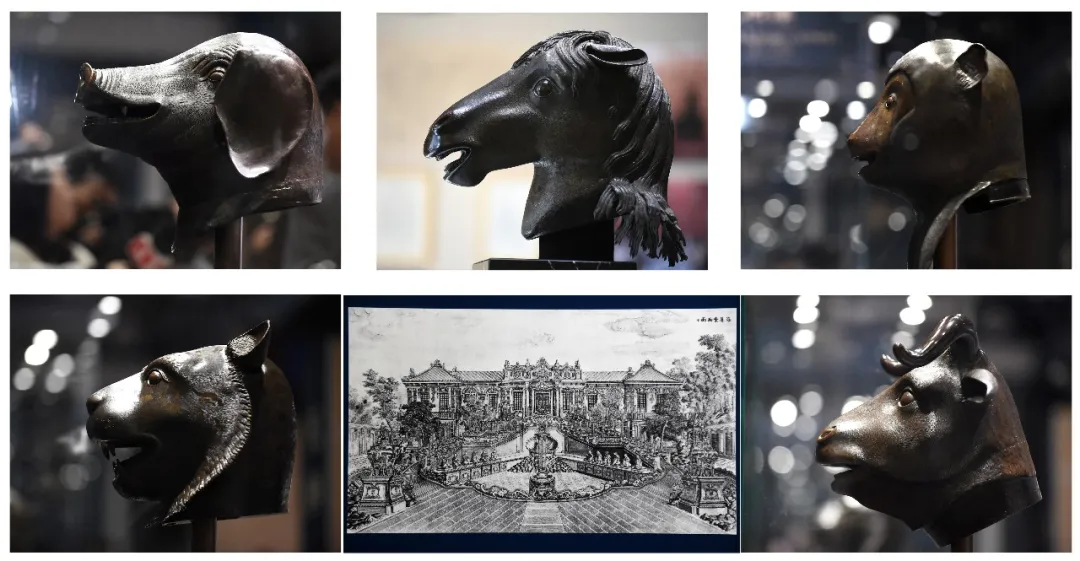
1860年,英法聯軍火燒圓明園後,十二生肖青銅獸首被掠往國外,從此失散140餘年。它們的回家之路,充滿坎坷和傳奇⋯⋯
牛首、猴首、虎首:2000年由保利集團以總價3000多萬港元購回,現存放於北京保利藝術博物館。
豬首:2003年由何鴻燊博士以近700萬港元購回,現存放於北京保利藝術博物館。
馬首:2007年由何鴻燊博士以6910萬港元購回,捐贈給國家。現在,除了知道鼠首和兔首被收藏在法國之外,其餘的獸首從圓明園被毀後,就再也不知所蹤。
如今,圓明園管理處匯集幾十年整理的歷史,前後幾十位專家學者論證探討,歷時四年,終於完成了全套圓明園十二生肖獸首的仿製和復原。作為專家公認的迄今為止仿製最為精美的一套圓明園十二生肖青銅獸像,終於重現了十二生肖濟濟一堂的盛況。
.


 .
. .
. .
.
French lawmakers pass bill to ease return of colonial-era looted artworks, echoing Victor Hugo’s vision.French lawmaker Jérémie Patrier-Leitus posted a video on Monday of his speech regarding the passing of the bill, referencing French writer Victor Hugo’s letter in 1861 to Captain Butler about the sack of the Summer Palace in Beijing that “One day will come when France, once freed and cleansed, will return this plunder to looted China.”
法國目前仍持有數萬件從其前殖民地掠奪而來的藝術品和其他珍貴文物。
這項歸還法案於20260413日晚間在下議院國民議會獲得全票通過。參院此前已於202601月全票通過了這一法案。
馬克宏的政治承諾:法國總統馬克宏將歸還這些文化遺產列為政治承諾。
通過的法案旨在簡化歸還程序,專門針對1815年至1972年間所獲取的文物。
.法國這一法案的通過,法國議員熱雷米‧帕特裡耶-萊蒂的發言,指法國作家雨果曾說:「希望有一天法蘭西能脫胎換骨、洗心革面,將不義之財歸還被搶掠的中國」。
在西方博物館中,法國楓丹白露宮收藏的圓明園珍寶最多,宮中的中國館可以說是圓明園在西方的再現。與法國在文物返還上的主動作為相比,日本是一個反面典型。「法國的做法,值得日本好好學習。」
在受官方監控的中國社群網站上,這些報導引發了較大的回響。不少網民期待被掠奪的中國文物得以歸還。
網民「讀百卷書行萬里路」稱:「這就是祖國強大的好處,曾經搶走的都要還回來。」.
自1840年鴉片戰爭以來,近1700萬件中國文物流失海外。現在,它們是200多個國外博物館的鎮館之寶。法國吉美博物館藏有2萬餘件中國文物,包括商周青銅器、遼三彩羅漢、敦煌經卷等珍品;楓丹白露宮的中國館收藏了上千件圓明園文物。.
.
.China’s ‘stolen’ cultural relics: why the numbers just don’t add up.More than 150 years after British and French troops sacked and razed the Summer Palace, in Beijing, the incident is regularly revisited in the Chinese press. Articles usually appear around the October anniversary of the destruction, after yet another announcement of plans to catalogue looted antiquities now overseas, or when Summer Palace items appear at foreign auction houses.
As well as their incomplete and inaccurate descriptions of the palace and its destruction, these stories often contain transparently false accusations against foreign institutions holding collections of Chinese treasures, as well as unsustainable claims of a legal right to them and demands for their uncompensated return.?