Introduction – Company Background
GuangXin Industrial Co., Ltd. is a specialized manufacturer dedicated to the development and production of high-quality insoles.
With a strong foundation in material science and footwear ergonomics, we serve as a trusted partner for global brands seeking reliable insole solutions that combine comfort, functionality, and design.
With years of experience in insole production and OEM/ODM services, GuangXin has successfully supported a wide range of clients across various industries—including sportswear, health & wellness, orthopedic care, and daily footwear.
From initial prototyping to mass production, we provide comprehensive support tailored to each client’s market and application needs.
At GuangXin, we are committed to quality, innovation, and sustainable development. Every insole we produce reflects our dedication to precision craftsmanship, forward-thinking design, and ESG-driven practices.
By integrating eco-friendly materials, clean production processes, and responsible sourcing, we help our partners meet both market demand and environmental goals.
Core Strengths in Insole Manufacturing
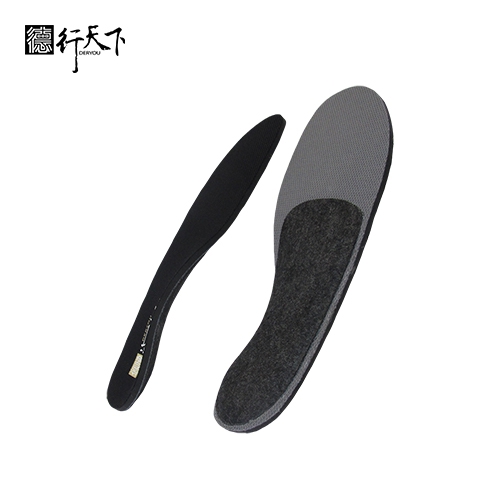
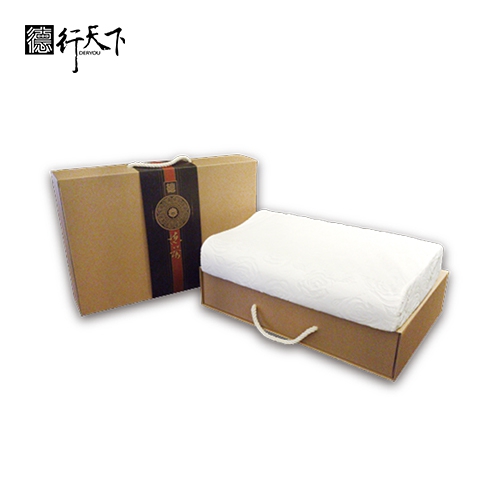
At GuangXin Industrial, our core strength lies in our deep expertise and versatility in insole and pillow manufacturing. We specialize in working with a wide range of materials, including PU (polyurethane), natural latex, and advanced graphene composites, to develop insoles and pillows that meet diverse performance, comfort, and health-support needs.
Whether it's cushioning, support, breathability, or antibacterial function, we tailor material selection to the exact requirements of each project-whether for foot wellness or ergonomic sleep products.
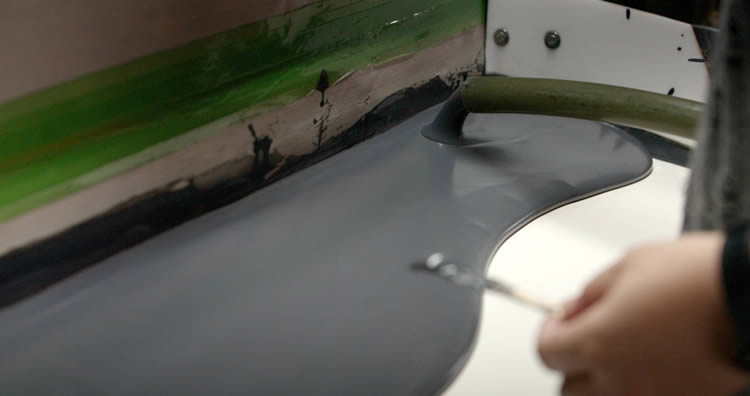
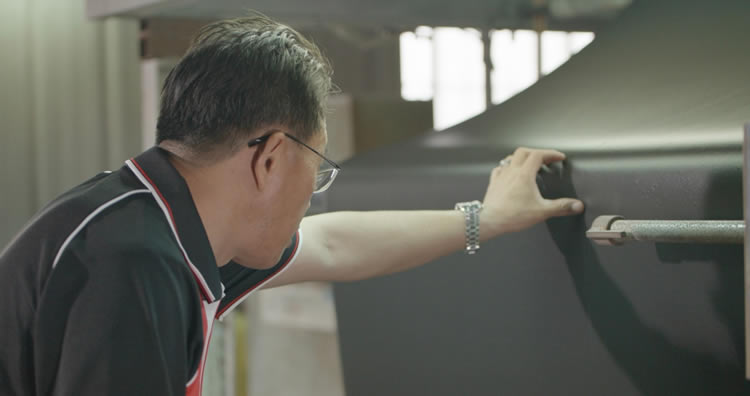
We provide end-to-end manufacturing capabilities under one roof—covering every stage from material sourcing and foaming, to precision molding, lamination, cutting, sewing, and strict quality control. This full-process control not only ensures product consistency and durability, but also allows for faster lead times and better customization flexibility.
With our flexible production capacity, we accommodate both small batch custom orders and high-volume mass production with equal efficiency. Whether you're a startup launching your first insole or pillow line, or a global brand scaling up to meet market demand, GuangXin is equipped to deliver reliable OEM/ODM solutions that grow with your business.
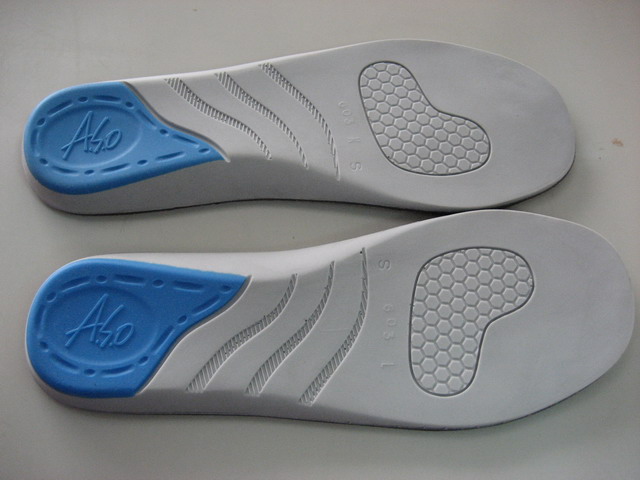
Customization & OEM/ODM Flexibility
GuangXin offers exceptional flexibility in customization and OEM/ODM services, empowering our partners to create insole products that truly align with their brand identity and target market. We develop insoles tailored to specific foot shapes, end-user needs, and regional market preferences, ensuring optimal fit and functionality.
Our team supports comprehensive branding solutions, including logo printing, custom packaging, and product integration support for marketing campaigns. Whether you're launching a new product line or upgrading an existing one, we help your vision come to life with attention to detail and consistent brand presentation.
With fast prototyping services and efficient lead times, GuangXin helps reduce your time-to-market and respond quickly to evolving trends or seasonal demands. From concept to final production, we offer agile support that keeps you ahead of the competition.
Quality Assurance & Certifications
Quality is at the heart of everything we do. GuangXin implements a rigorous quality control system at every stage of production—ensuring that each insole meets the highest standards of consistency, comfort, and durability.
We provide a variety of in-house and third-party testing options, including antibacterial performance, odor control, durability testing, and eco-safety verification, to meet the specific needs of our clients and markets.
Our products are fully compliant with international safety and environmental standards, such as REACH, RoHS, and other applicable export regulations. This ensures seamless entry into global markets while supporting your ESG and product safety commitments.
ESG-Oriented Sustainable Production
At GuangXin Industrial, we are committed to integrating ESG (Environmental, Social, and Governance) values into every step of our manufacturing process. We actively pursue eco-conscious practices by utilizing eco-friendly materials and adopting low-carbon production methods to reduce environmental impact.
To support circular economy goals, we offer recycled and upcycled material options, including innovative applications such as recycled glass and repurposed LCD panel glass. These materials are processed using advanced techniques to retain performance while reducing waste—contributing to a more sustainable supply chain.
We also work closely with our partners to support their ESG compliance and sustainability reporting needs, providing documentation, traceability, and material data upon request. Whether you're aiming to meet corporate sustainability targets or align with global green regulations, GuangXin is your trusted manufacturing ally in building a better, greener future.
Let’s Build Your Next Insole Success Together
Looking for a reliable insole manufacturing partner that understands customization, quality, and flexibility? GuangXin Industrial Co., Ltd. specializes in high-performance insole production, offering tailored solutions for brands across the globe. Whether you're launching a new insole collection or expanding your existing product line, we provide OEM/ODM services built around your unique design and performance goals.
From small-batch custom orders to full-scale mass production, our flexible insole manufacturing capabilities adapt to your business needs. With expertise in PU, latex, and graphene insole materials, we turn ideas into functional, comfortable, and market-ready insoles that deliver value.
Contact us today to discuss your next insole project. Let GuangXin help you create custom insoles that stand out, perform better, and reflect your brand’s commitment to comfort, quality, and sustainability.
🔗 Learn more or get in touch:
🌐 Website: https://www.deryou-tw.com/
📧 Email: shela.a9119@msa.hinet.net
📘 Facebook: facebook.com/deryou.tw
📷 Instagram: instagram.com/deryou.tw
Soft-touch pillow OEM service in Vietnam
Are you looking for a trusted and experienced manufacturing partner that can bring your comfort-focused product ideas to life? GuangXin Industrial Co., Ltd. is your ideal OEM/ODM supplier, specializing in insole production, pillow manufacturing, and advanced graphene product design.
With decades of experience in insole OEM/ODM, we provide full-service manufacturing—from PU and latex to cutting-edge graphene-infused insoles—customized to meet your performance, support, and breathability requirements. Our production process is vertically integrated, covering everything from material sourcing and foaming to molding, cutting, and strict quality control.Innovative pillow ODM production solution in Taiwan
Beyond insoles, GuangXin also offers pillow OEM/ODM services with a focus on ergonomic comfort and functional innovation. Whether you need memory foam, latex, or smart material integration for neck and sleep support, we deliver tailor-made solutions that reflect your brand’s values.
We are especially proud to lead the way in ESG-driven insole development. Through the use of recycled materials—such as repurposed LCD glass—and low-carbon production processes, we help our partners meet sustainability goals without compromising product quality. Our ESG insole solutions are designed not only for comfort but also for compliance with global environmental standards.Orthopedic pillow OEM solutions Vietnam
At GuangXin, we don’t just manufacture products—we create long-term value for your brand. Whether you're developing your first product line or scaling up globally, our flexible production capabilities and collaborative approach will help you go further, faster.Thailand insole ODM for global brands
📩 Contact us today to learn how our insole OEM, pillow ODM, and graphene product design services can elevate your product offering—while aligning with the sustainability expectations of modern consumers.China custom neck pillow ODM
Recent research has uncovered that Roseobacters undergo a transition from a symbiotic relationship to a pathogenic one, where they become deadly to their phytoplankton hosts. A new study now investigates what is responsible for that switch occurring. A new study sheds light on the chemical processes that trigger marine bacteria to transition from coexisting with an algal host to a sudden killer. Scientists have detailed a change in the lifestyle of marine bacteria, in which they switch from coexisting with algal hosts in a symbiotic relationship to suddenly killing them. The study was recently published in the journal eLife. An understanding of this lifestyle switch could offer new perspectives on the regulation of algal bloom dynamics and its effect on the large-scale biogeochemical processes in marine environments. Single-celled algae, known as phytoplankton, form oceanic blooms which are responsible for around half of the photosynthesis that occurs on Earth, and form the basis of marine food webs. Therefore, understanding the factors controlling phytoplankton growth and death is crucial to maintaining a healthy marine ecosystem. Marine bacteria from the Roseobacter group are known to pair up and coexist with phytoplankton in a mutually beneficial interaction. The phytoplankton provides the Roseobacter with organic matter useful for bacterial growth, such as sugar and amino acids, and the Roseobacter in return provides B vitamins and growth-promoting factors. The Role of DMSP in Triggering Pathogenicity However, recent studies have revealed that Roseobacters undergo a lifestyle switch from coexistence to pathogenicity, where they kill their phytoplankton hosts. A chemical compound called DMSP is produced by the algae and is hypothesized to play a role in this switch. “We have previously identified that the Roseobacter Sulfitobacter D7 displays a lifestyle switch when interacting with the phytoplankter Emiliania huxleyi,” states first author Noa Barak-Gavish, a Ph.D. graduate in the Department of Plant and Environmental Sciences, Weizmann Institute of Science, Israel. “However, our knowledge about the factors that determine this switch was still limited.” To characterize this lifestyle switch, Barak-Gavish and colleagues performed a transcriptomics experiment, allowing them to compare the genes that are differentially expressed by Sulfitobacter D7 in coexistence or pathogenicity stages. Eat-and-Run Strategy Their experimental setup demonstrated that Sulfitobacter D7 grown in a pathogenicity-inducing medium have a higher expression of transporters for metabolites such as amino acids and carbohydrates than those grown in a coexistence medium. These transporters serve to maximize the uptake of metabolites released from dying Emiliania huxleyi (E. huxleyi) . Furthermore, in pathogenic Sulfitobacter D7, the team observed an increased activation of flagellar genes that are responsible for the movement of the bacteria. These two factors allow Sulfitobacter D7 to utilise an ‘eat-and-run’ strategy, where they beat competitors to the material released upon E. huxleyi cell death and swim away in search of another suitable host. The team confirmed the role of DMSP in bringing about the switch to this killer behavior by mapping the genes activated in Sulfitobacter D7 in response to the presence of DMSP and other algae-derived compounds. However, when only DMSP was present, the lifestyle switch did not occur. This implies that, although DMSP mediates the lifestyle switch, it is also dependent on the presence of other E. huxleyi-derived infochemicals – compounds that are produced and used by organisms to communicate. DMSP is an infochemical produced by many phytoplankton, so it is likely that the other required infochemicals allow the bacteria to recognize a specific phytoplankton host. In natural environments, where many different microbial species exist together, this specificity would ensure that bacteria only invest in altering gene expression and its metabolism when the correct algal partner is present. The study also uncovers the role of algae-derived benzoate in Sulfitobacter D7 and E. huxleyi interactions. Even in high concentrations of DMSP, benzoate functions to maintain the coexistence lifestyle. Benzoate is an efficient growth factor and is provided by E. huxleyi to Sulfitobacter D7 during coexistence. The authors propose that as long as Sulfitobacter D7 benefits from coexistence by receiving materials for growth, it will maintain the mutualistic interaction. When less benzoate and other growth substrates are provided, the bacteria undergoes the lifestyle switch and kills its phytoplankton host, swallowing up any remaining useful materials. Uncovering Pathogenic Mechanisms The exact mechanism of Sulfitobacter D7 pathogenicity against E. huxleyi remains to be discovered, and the authors call for further work in this area. The cellular machinery Type 2 secretion system – a complex that many bacteria use to move materials across their cell membrane – is more prevalent in Sulfitobacter D7 compared to other Roseobacters, hinting at a unique method of pathogenicity that requires further investigation. “Our work provides a contextual framework for the switch from coexistence to pathogenicity in Roseobacter-phytoplankton interactions,” concludes senior author Assaf Vardi, a Professor in the Department of Plant and Environmental Sciences, Weizmann Institute of Science. “These interactions are an underappreciated component in the regulation of algal bloom dynamics and further study in this area could provide insights into their impact on the fate of carbon and sulfur in the marine environment.” Reference: “Bacterial lifestyle switch in response to algal metabolites” by Noa Barak-Gavish, Bareket Dassa, Constanze Kuhlisch, Inbal Nussbaum, Alexander Brandis, Gili Rosenberg, Roi Avraham and Assaf Vardi, 24 January 2023, eLife. DOI: 10.7554/eLife.84400
Discover the hidden biodiversity within your home: a Northwestern University study reveals that showerheads and toothbrushes host a diverse array of viruses, known as bacteriophages, which predominantly target bacteria. A recent study has found that common bathroom fixtures like showerheads and toothbrushes are teeming with bacteriophages, viruses that attack bacteria, not humans. This discovery offers promising avenues for treating resistant bacterial infections and underscores the safety of household microbes. Biodiversity in the Bathroom Move over, tropical rainforests and coral reefs — the latest hotspot for awe-inspiring biodiversity is closer than you think: your bathroom. In a groundbreaking study led by Northwestern University, microbiologists discovered that showerheads and toothbrushes are teeming with an incredibly diverse collection of viruses — most of which have never been seen before. Unseen Viruses: A Treasure Trove in Your Shower While this might seem alarming, the reassuring news is that these viruses are not harmful to humans. Instead, they target bacteria. The microorganisms identified in the study are known as bacteriophages, or “phages,” viruses that infect and replicate within bacteria. Despite limited knowledge about them, phages have recently attracted significant interest for their potential in treating antibiotic-resistant bacterial infections. The previously unknown viruses lurking in our bathrooms could provide valuable resources for these medical applications. The study will be published today (October 9) in the journal Frontiers in Microbiomes. In a new study, samples collected from showerheads and toothbrushed comprised more than 600 different viruses — and no two samples were alike. Credit: Ivan Radic “The number of viruses that we found is absolutely wild,” said Northwestern’s Erica M. Hartmann, who led the study. “We found many viruses that we know very little about and many others that we have never seen before. It’s amazing how much untapped biodiversity is all around us. And you don’t even have to go far to find it; it’s right under our noses.” An indoor microbiologist, Hartmann is an associate professor of civil and environmental engineering at Northwestern’s McCormick School of Engineering and a member of the Center for Synthetic Biology. Operation Pottymouth: Exploring Microbial Life Indoors The new study is an offshoot of previous research, in which Hartmann and her colleagues at University of Colorado at Boulder characterized bacteria living on toothbrushes and showerheads. For the previous studies, the researchers asked people to submit used toothbrushes and swabs with samples collected from their showerheads. Inspired by concerns that a flushing toilet might generate a cloud of aerosol particles, Hartmann affectionately called the toothbrush study, “Operation Pottymouth.” “This project started as a curiosity,” Hartmann said. “We wanted to know what microbes are living in our homes. If you think about indoor environments, surfaces like tables and walls are really difficult for microbes to live on. Microbes prefer environments with water. And where is there water? Inside our showerheads and on our toothbrushes.” Harnessing Virus Diversity for Medical Innovation After characterizing bacteria, Hartmann then used DNA sequencing to examine the viruses living on those same samples. She was immediately blown away. Altogether, the samples comprised more than 600 different viruses — and no two samples were alike. “We saw basically no overlap in virus types between showerheads and toothbrushes,” Hartmann said. “We also saw very little overlap between any two samples at all. Each showerhead and each toothbrush is like its own little island. It just underscores the incredible diversity of viruses out there.” While they found few patterns among all the samples, Hartmann and her team did notice more mycobacteriophage than other types of phage. Mycobacteriophage infect mycobacteria, a pathogenic species that causes diseases like leprosy, tuberculosis and chronic lung infections. Hartmann imagines that, someday, researchers could harness mycobacteriophage to treat these infections and others. “We could envision taking these mycobacteriophage and using them as a way to clean pathogens out of your plumbing system,” she said. “We want to look at all the functions these viruses might have and figure out how we can use them.” Living with Microbes: No Need for Alarm But, in the meantime, Hartmann cautions people not to fret about the invisible wildlife living within our bathrooms. Instead of grabbing for bleach, people can soak their showerheads in vinegar to remove calcium buildup or simply wash them with plain soap and water. And people should regularly replace toothbrush heads, Hartmann says. Hartmann also is not a fan of antimicrobial toothbrushes, which she said can lead to antibiotic-resistant bugs. “Microbes are everywhere, and the vast majority of them will not make us sick,” she said. “The more you attack them with disinfectants, the more they are likely to develop resistance or become more difficult to treat. We should all just embrace them.” The study, “Phage communities in household-related biofilms correlate with bacterial hosts but do not associate with other environmental factors,” was supported by Northwestern University. Reference: “Phage communities in household-related biofilms correlate with bacterial hosts” by Stefanie Huttelmaier, Weitao Shuai, Jack Sumner, Matthew Gebert, Noah Fierer and Erica M. Hartmann, 30 August 2024, Frontiers in Microbiomes. DOI: 10.3389/frmbi.2024.1396560
Shining a light on internal clocks – the bacterium Bacillus subtilis. Credit: Professor Ákos Kovács, Technical University of Denmark Researchers found that Bacillus subtilis has a circadian rhythm, adjusting gene activity based on light and temperature. This finding opens new doors in medicine and biotechnology. Humans have them, so do other animals and plants. Now research reveals that bacteria too have internal clocks that align with the 24-hour cycle of life on Earth. The research answers a long-standing biological question and could have implications for the timing of drug delivery, biotechnology, and how we develop timely solutions for crop protection. Biological clocks or circadian rhythms are exquisite internal timing mechanisms that are widespread across nature enabling living organisms to cope with the major changes that occur from day to night, even across seasons. Existing inside cells, these molecular rhythms use external cues such as daylight and temperature to synchronize biological clocks to their environment. It is why we experience the jarring effects of jet lag as our internal clocks are temporarily mismatched before aligning to the new cycle of light and dark at our travel destination. A growing body of research in the past two decades has demonstrated the importance of these molecular metronomes to essential processes, for example, sleep and cognitive functioning in humans, and water regulation and photosynthesis in plants. Although bacteria represent 12% biomass of the planet and are important for health, ecology, and industrial biotechnology, little is known of their 24hr biological clocks. Previous studies have shown that photosynthetic bacteria that require light to make energy have biological clocks. But free-living non-photosynthetic bacteria have remained a mystery in this regard. Discovering Circadian Rhythms in Bacillus subtilis In this international study, researchers detected free-running circadian rhythms in the non-photosynthetic soil bacterium Bacillus subtilis. The team applied a technique called luciferase reporting, which involves adding an enzyme that produces bioluminescence that allows researchers to visualize how active a gene is inside an organism. They focused on two genes: firstly, a gene called ytvA which encodes a blue light photoreceptor, and secondly an enzyme called KinC that is involved in inducing the formation of biofilms and spores in the bacterium. They observed the levels of the genes in constant dark in comparison to cycles of 12 hours of light and 12 hours of dark. They found that the pattern of ytvA levels were adjusted to the light and dark cycle, with levels increasing during the dark and decreasing in the light. A cycle was still observed in constant darkness. Researchers observed how it took several days for a stable pattern to appear and that the pattern could be reversed if the conditions were inverted. These two observations are common features of circadian rhythms and their ability to “entrain” to environmental cues. They carried out similar experiments using daily temperature changes; for example, increasing the length or strength of the daily cycle, and found the rhythms of ytvA and kinC adjusted in a way consistent with circadian rhythms, and not just simply switching on and off in response to the temperature. Bacteria Know What Time It Is “We’ve found for the first time that non-photosynthetic bacteria can tell the time,” says lead author Professor Martha Merrow, of LMU (Ludwig Maximilians University) Munich. “They adapt their molecular workings to the time of day by reading the cycles in the light or in the temperature environment.” “In addition to medical and ecological questions, we wish to use bacteria as a model system to understand circadian clock mechanisms. The lab tools for this bacterium are outstanding and should allow us to make rapid progress,” she added. Implications for Medicine, Ecology, and Biotechnology This research could be used to help address such questions as: is the time of day of bacterial exposure important for infection? Can industrial biotechnological processes be optimized by taking the time of day into account? And is the time of day of anti-bacterial treatment important? “Our study opens doors to investigate circadian rhythms across bacteria. Now that we have established that bacteria can tell the time we need to find out the processes that cause these rhythms to occur and understand why having a rhythm provides bacteria with an advantage,” says author Dr Antony Dodd from the John Innes Centre. Professor Ákos Kovács, co-author from the Technical University of Denmark adds that “Bacillus subtilis is used in various applications from laundry detergent production to crop protection, besides recently exploiting as human and animal probiotics, thus engineering a biological clock in this bacterium will culminate in diverse biotechnological areas.” Reference: “A circadian clock in a non-photosynthetic prokaryote” by Zheng Eelderink-Chen, Jasper Bosman, Francesca Sartor, Antony N. Dodd, Ákos T. Kovács and Martha Merrow, 8 January 2021, Science Advances. DOI: 10.1126/sciadv.abe2086
DVDV1551RTWW78V
Indonesia eco-friendly graphene material processing 》supporting your ESG goals through sustainable productionGraphene cushion OEM factory in China 》expert-level OEM/ODM to support product innovationTaiwan custom insole OEM factory 》designed for quality-conscious brands who care about user experience
下一則: Vietnam pillow ODM development service 》customized
限會員,要發表迴響,請先登入


