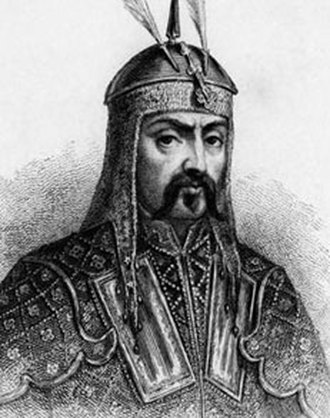
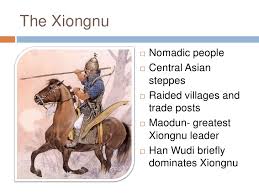
匈奴(上古漢語:qʰoŋ.nˤa),是歐亞大陸的遊牧民族在漠北建立的古代國家,存在年代約在前209年至48年,其後分裂為北匈奴(48年—93年)和南匈奴(48年—216年)。統治領域約略在現今蒙古國、西伯利亞南部、中亞與中國北部地區。公元4至5世紀又陸續在中原和西域建立漢趙、北涼、胡夏、高昌北涼政權。

匈奴雖說是部落體制,但也有基本的內、外官僚制度,對領土也有強烈欲望。王族為攣鞮氏,其領袖稱單于,其下轄各王,統領各部落,單于和諸王的皇后和妻子稱閼氏(匈奴實行一夫多妻制),在匈奴政治上有一定影響。成吉思汗曾宣稱“匈奴人是我們蒙古人的祖先,蒙古人身上背負有偉大的冒頓單于的歷史、傳統和傳奇。
學界中有許多假設,但是因為關於他們的資料留到後世的並不多,而且保留到今天的資料,主要都是透過另一視角的中國文獻,因此在學界中仍然存在爭議。
西元前209年,冒頓單于統治中亞的各遊牧部落,在歷史上建立了第一個遊牧民族國家,即強大的匈奴國。匈奴國曾經輝煌了長達300年之久,創建了強勢遊牧民族傳統並留下了許多傳奇。匈奴人國家後來分裂為三個遊牧部落,委任了24個行政單位的那彥。


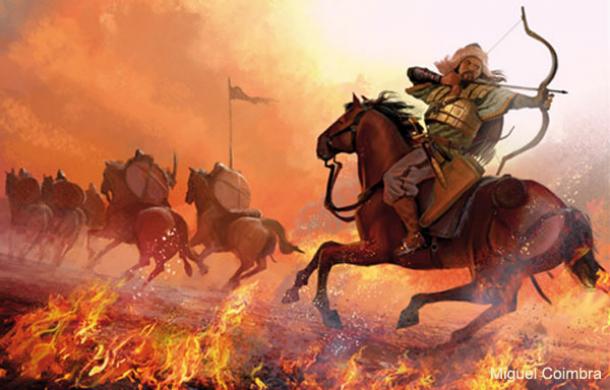
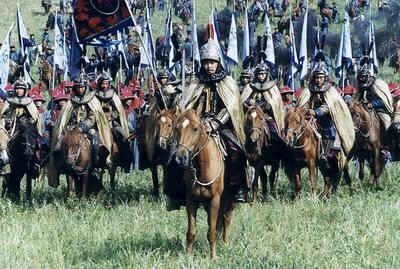
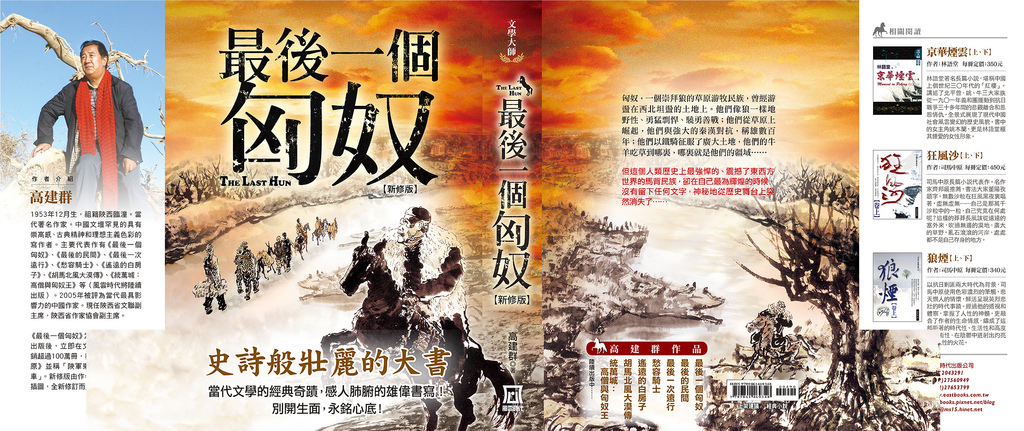
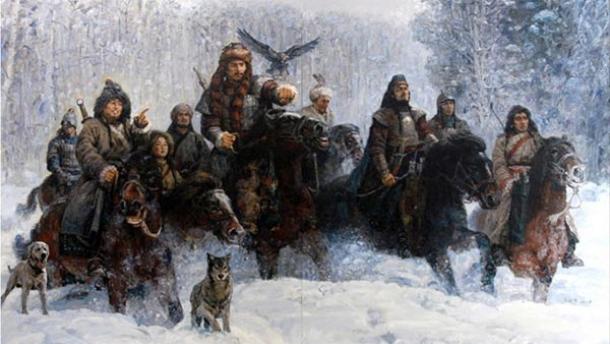
匈奴,一個崇拜狼的草原遊牧民族,曾經遊盪在西北坦盪的土地上。他們像狼一樣地野性、勇猛剽悍、驍勇善戰;他們從草原上崛起,他們與強大的秦漢對抗,稱雄數百年;他們以鐵騎征服了廣大土地,他們的牛羊吃草到哪裡,哪裡就是他們的疆域……
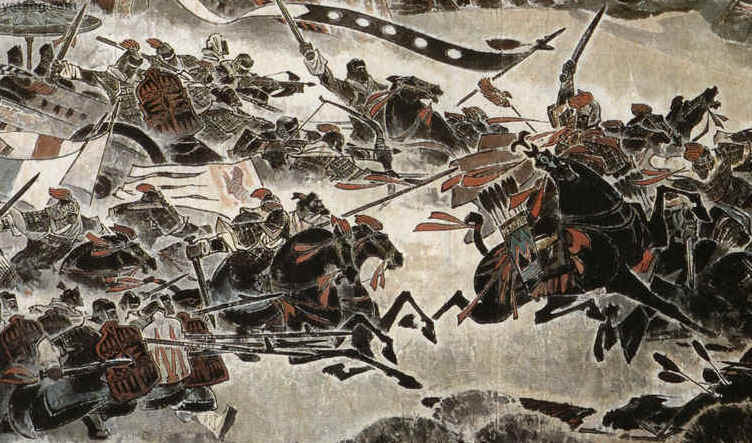

The great and powerful Xiongnu.
 .
.

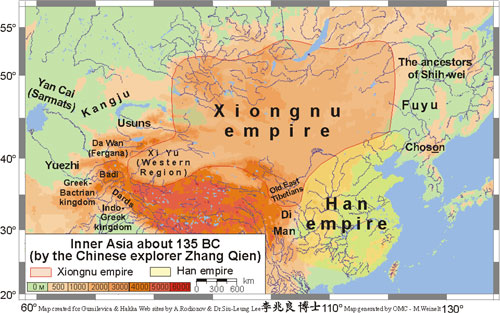
The exact foundation of the Xiongnu Empire is unknown, but the earliest Chinese records about them date back to 4th-3rd enturies BC.
Since China at that time was divided between many warring states like Qin, Zhao, Yan, Qi, Lu, Wei, Han and Chu, the Xiongnu easily raided Northern China throughout 4th and 3rd centuries BC. Their raids reached it's zenith during the 3rd century BC, when the Qin ruler Qin Shi Huangdi finally decided to build a Great Wall to stop those raids (the Great Wall was already in existence as small independent fortifications dating back to the Warring States Period; but Qin Shi Huangdi united these to form a single body).
大漢王朝開始主動攻擊匈奴,在軍事天才衛青和霍去病的持續打擊下,匈奴元氣大傷,逐漸衰弱下去。並最終分裂為南、北匈奴。北匈奴西遷途中經過康居、大宛、鄯善等西域諸國。西元4世紀中葉,北匈奴滅掉了強大的突厥國度阿蘭國,西方為之震動.
匈奴人於西元396年,侵入了薩珊波斯帝國。在疆土不斷擴大的情況下,以匈牙利平原為統治中心的匈奴帝國再次興盛起來。此匈奴王國曾經出現有名的安提拉王,大敗西羅馬帝國的許多諸侯國,造成對於歐洲黑暗1000年,就是這位匈奴王的傑作,直到1422年左右,被成吉思汗的孫子拔都大元帥西征時將其擊敗,其後衰敗直到20世紀出與奧地利合併為奧匈帝國.
After the Battle of Ikh Bayan in 89 AD, the Northern Xiongnu were driven out of Mongolia, and the Southern Xiongnu became part of Han China. Some believe that the Northern Xiongnu continued west, came under the leadership of Attila, and took on the new name “the Huns.” -

The unique culture of the Xiongnu Empire was very powerful during its time. The fortifications that were initially built to keep the Xiongnu away were eventually transformed into the Great Wall of China. This demonstrates the size and power of the Xiongnu – an ancient nomadic group that played an important role in the history of Mongolia and China -
阿提拉死後,他的兒子們為爭奪大單於之位,打起了內戰,匈奴帝國在瞬間瓦解崩潰了。在東哥特、吉皮底人的反抗下,匈奴人在西元454年被迫又退回了南俄羅斯草原。在西元461年,阿提拉的一個兒子妄圖重建匈奴帝國,發動了對多瑙河流域東哥特人的戰爭,遭到失敗。西元468年,他又發動了對東羅馬帝國的戰爭,結果自己戰死沙場,從此匈奴人逐漸沉寂了下去,直至被歷史徹底遺忘。