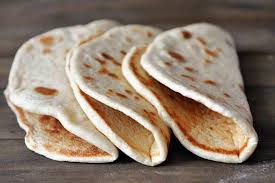
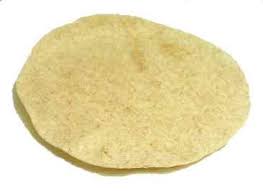
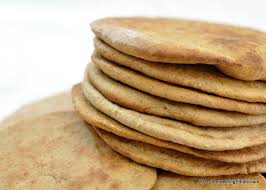
無酵餅,是簡單的麵包食品,初出現於古埃及和蘇美爾。無酵餅為猶太人紀念逾越節所吃的食品,後由耶穌基督引進用於基督宗教。
無酵餅內是不加入酵母的,這對猶太教和基督教來說具有特殊的宗教意義。根據《聖經·出埃及記》的記載,當耶和華施展十災的最後一場時逾越了以色列人的家門,最後拯救了他們離開埃及。]無酵餅便是紀念以色列人脫離埃及奴役的一項食品,亦會用作獻祭。]由於無酵餅記錄著以色列人的自由和苦難,]古代以色列人以至現今的猶太人在守逾越節期間只吃無酵食品。
第一世紀,耶穌指無酵餅代表了自己所獻出的身體並在最後晚餐時運用此設立儀式,自此便這成為了基督教禮儀的用品之一。在東西教會大分裂中,在聖禮中使用無酵餅曾引起宗教上紛爭。
無酵餅就是咱們中國人所說的"死麵餅"或饅頭 ,麵粉製作糕餅等食物不添加酵母(發黺)發酵,只用清水混合及成,用碳火烤熟即可食用,由於沒有經過酵母菌發酵製作出來的麵包,饅頭,亦常結實耐肌,這是中東地區及遊牧民族,古時軍隊最基本的傳統的食物之一.
A flatbread is a bread made with flour, water and salt, and then thoroughly rolled into flattened dough. Many flatbreads are unleavened—made without yeast—although some are slightly leavened, such as pita bread.
There are many other optional ingredients that flatbreads may contain, such as curry powder, diced jalapeños, chili powder, or black pepper. Olive oil or sesame oil may be added as well. Flatbreads can range from one millimeter to a few centimeters thick.
Flatbread was already known in Ancient Egypt and Sumer.[when?] In ancient Mesopotamia (modern day Iraq), the Sumerians discovered that edible grains could be mashed into a paste and then baked/hardened into a flatbread.

Unleavened breads (such as matzoh which is not prepared with leavening agents) are usually flatbreads and hold special religious significance to adherents of Judaism and Christianity.
這


