
雙槍將馬坤傳奇的故事。Morris Cohen..Two-Gun Cohen, A Biography
當世界各地紀念第二次世界大戰結束70周年之際,一位曾追隨孫中山的“洋保鏢”、後參加中國抗日戰爭的英國加拿大人馬坤的歷史傳奇重新受到關注。
2015年9月下旬,加拿大女作家瓊·赫頓將在溫哥華作家節上推出她的新小說,名為《雙槍將和孫中山》,這本書的主人公就是綽號“雙槍將”的馬坤。
馬坤(英文名Morris Cohen,莫里斯‧柯恩),19世紀晚期出生在一個沙俄統治下的波蘭猶太人的家庭裡,他的父母為了逃避反猶種族大屠殺,帶著年幼的馬坤逃到英國,住在貧窮的東倫敦。
馬坤的原名叫莫里斯‧柯恩(Morris Cohen),馬坤這一中文名字據稱是孫中山的夫人宋慶齡所起。他在世的時候是西方的“中國通”之一。
當二戰結束70周年來臨之際,特別是在馬坤的家鄉之一加拿大,人們重新開始回顧他在東西方之間的特殊經歷和歷史作用。


除了馬坤的口述自傳,以馬坤為主人公的英文傳記至少有
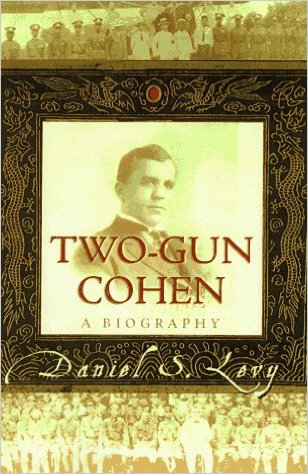
4部,其中以曾在中國抗日戰爭時期到中國和馬坤共事的英國人查理斯·德雷治1954年以馬坤的口述為基礎出版的傳記《雙槍馬坤》和美國《時代》雜誌記者丹尼爾·列維所著、1997
年出版的《雙槍馬坤傳記》最為著名。
他出生在一個波蘭猶太人的家庭裡。他的父母為了逃避19世紀下半期在沙皇俄國控制的波蘭發生的排猶種族屠殺逃到英國,住在貧窮的倫敦東區。
孫中山為了準備武裝起義推翻清廷,1911年第三次赴加拿大在華僑中籌款。馬坤自稱借這一機會首次見到孫中山並為受到清政府通緝的孫中山擔任保鏢?
2012年,英國廣播公司BBC和加拿大OMNI電視臺退休的記者董守良與中國華南理工大學教授、中國作家譚元亨合作的紀實文學傳記《雙槍將軍馬坤-孫中山的猶太保鏢》發行。
在英國保存的舊上海租界員警檔案記錄員警對馬坤的查問裡,他自稱生於1887年8月3日。這點可能是真實的,因為這個時間得到他的親屬、英國和加拿大的一些老檔檔案,以及馬坤自己墓碑所刻時間(1970年9月7日去世,享年83
歲)證實。
根據加拿大阿爾伯塔省的檔案資料,1912年的時候馬坤一周就曾賺高達1千美元,這在當時是筆巨額收入。
但這並不是不安分的馬坤的理想。他後來參加了加拿大鐵道部隊,前往歐洲一次大戰戰場。
見義勇為早在加拿大漂流的時期,馬坤和到加拿大修造太平洋鐵路的一些華工交上了朋友,愛上了中餐。因為他和中國人關係比較近,曾經被派去擔任一戰華工營的軍官。
這位華人老闆恰巧還是當地的僑領和當地孫中山反清組織北美致公堂(後改組為同盟會、國民黨)的頭領,這使得加拿大華人社區不僅歡迎馬坤進入,還邀請他加入了孫中山的革命組織。
1922年,馬坤前往中國。有英文資料說,他是為了幫助孫中山的南方革命政府完成一項鐵路合同。期間,經朋友推薦,得到孫中山的英文秘書陳友仁的聘用,開始為孫中山效力。他被授予一個副官的頭銜,參與教授孫中山的警衛隊拳擊、射擊,承擔孫中山警衛安保、對外接洽、從西方購買軍火等工作。
由此,馬坤與孫中山及追隨孫中山的很多國民黨元老開始認識。他在各個重要的公開場合出入于孫中山先生的左右,因此也受到外國媒體的關注,因為他總是高調隨身攜帶兩把手槍,被外國媒體稱為“雙槍將”。
馬坤這一中文名字據稱是孫中山的夫人宋慶齡所起。他在世的時候被視為西方的“中國通”之一。
1941年底香港淪陷後,馬坤被日軍逮捕,關入赤柱集中營,在裡面受到折磨和非人待遇。1943年底,借日軍和盟軍在印度交換戰俘的機會,馬坤重獲自由,返回加拿大。
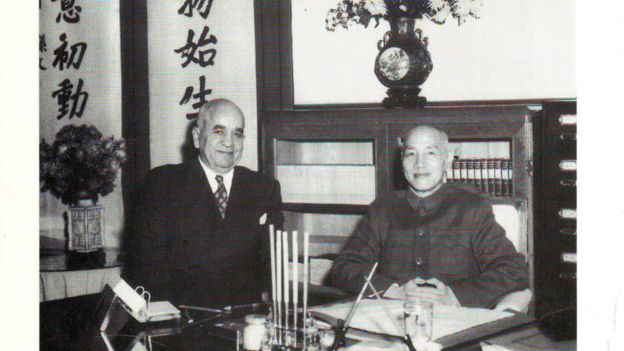
50年代到60年代,馬坤多次應邀訪華,在兩岸都受到禮遇。但1955年,在國際媒體關注下,他從臺灣到大陸,特別是他對大陸的態度發生轉變,高度讚揚中共政府“是中國歷史上最好的政府”。這使得臺灣方面不再歡迎他。
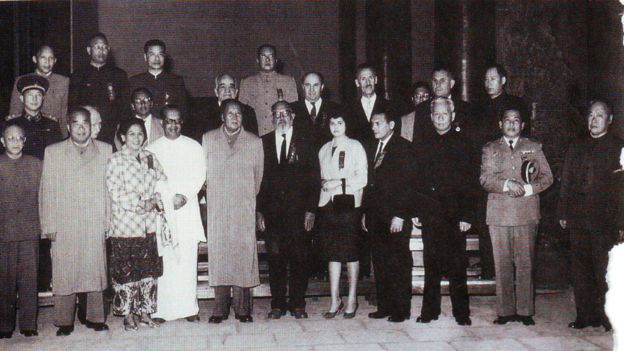
1956年中國總理周恩來曾會見了訪問北京的馬坤。馬坤最後一次訪問中國是1966年,參加孫中山誕辰100周年。和毛澤東、周恩來、劉少奇、朱德等中共要人和其他國際友人合影。
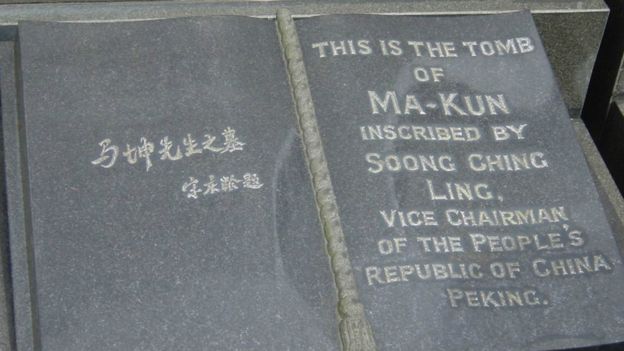
1970年,馬坤在英國薩爾福德去世,享年81歲。據稱,台海兩岸的官員同時都出席了他的葬禮。而中華人民共和國副主席宋慶齡還為馬坤親筆題寫了墓碑文。
馬坤大半生都在中國渡過,為中國推翻帝制、抵抗日本侵略、支持兩岸統一等民族解放事業立下汗馬功勞,和中國革命同呼吸共命運21年,堪比當年被毛澤東贊為“生的偉大、死的光榮”的加拿大共產黨派遣到中國的白求恩醫生的功績。但海峽兩岸似乎都把他淡忘了


Morris Abraham "Two-Gun" Cohen (1887–1970) was a British and Canadian adventurer of Jewish origin who became aide-de-camp to Sun Yat-sen and a major-general in the Chinese National Revolutionary Army.
According to a 1954 biography written by Charles Drage with Cohen's assistance, Morris Cohen was born in London in 1889 to a family that had just arrived from Poland. However Cohen was actually born in 1887 into a poor Jewish family in Radzanów, Poland, about 45 miles northwest of Warsaw. Soon after his birth the Cohens escaped the pogroms of Eastern Europe and emigrated to the St George in the East parish in London's East End.[1]
Cohen loved the theaters, the streets, the markets, the foods and the boxing arenas of the British capital more than he did the Jews' Free School, and in April 1900 he was arrested as "a person suspected of attempting to pick pockets". A magistrate sent him to the Hayes Industrial School, an institution set up by the likes of Lord Rothschild to care for and train wayward Jewish lads. He was released in 1905 and Cohen's parents shipped the young Morris off to western Canada with the hope that the fresh air and open plains of the New World would reform his ways.
Cohen initially worked on a farm near Whitewood, Saskatchewan. He tilled the land, tended the livestock and learned to shoot a gun and play cards. He did that for a year, and then started wandering through the Western provinces, making a living as a carnival talker, gambler, grifter[citation needed] and successful real estate broker. Some of his activities landed him in jail.
Cohen also became friendly with some of the Chinese exiles who had come to work on the Canadian Pacific Railways. He loved the camaraderie and the food, and in Saskatoon came to the aid of a Chinese restaurant owner who was being robbed. Cohen's training in the alleyways of London came in handy, and he knocked out the thief and tossed him out into the street. Such an act was unheard of at the time, as few white men ever came to the aid of the Chinese. The Chinese welcomed Cohen into their fold and eventually invited him to join the Tongmenghui, Sun Yat-sen's anti-Manchu organization. Cohen began to advocate for the Chinese.
Morris Cohen soon moved to the city of Edmonton in the neighbouring province of Alberta. There he became manager of one of the provincial capital’s leading real estate agencies and was appointed, on the personal recommendation of the Attorney General Sir Charles Wilson Cross, to serve the province as a Commissioner of Oaths, an appointment offered only to "fit and proper persons".[]
It was in pre-WW1 Edmonton that Cohen commenced his long and varied military career by recruiting members of the Chinese community and training them in drill and musketry on behalf of Dr Sun Yat-sen’s representative organization in Canada.[]
In Shanghai and Canton (Guangzhou), Cohen trained Sun's small armed forces to box and shoot, and told people that he was an aide-de-camp and an acting colonel in Sun Yat-sen's army. Fortunately, his lack of proficiency in Chinese — he spoke a pidgin form of Cantonese at best — was not a problem since Sun, his wife Soong Ching-ling and many of their associates were Western-educated and spoke English. Cohen's colleagues started calling him Ma Kun, and he soon became one of Sun's main protectors, shadowing the Chinese leader to conferences and war zones. After one battle where he was nicked by a bullet, Cohen started carrying a second gun. The western community were intrigued by Sun's gun-toting protector and began calling him "Two-Gun Cohen." The name stuck.
When the Japanese invaded China in 1937, Cohen eagerly joined the fight. He rounded up weapons for the Chinese and even did work for the British intelligence agency, Special Operations Executive (SOE). Cohen was able to prove that the Japanese were using poison gas to exterminate the Chinese masses. Cohen was in Hong Kong when the Japanese attacked in December 1941. He placed Soong Ching-ling and her sister Ai-ling onto one of the last planes out of the British colony.
Cohen then settled with his widowed sister, Leah Cooper, in Salford, England. There he was surrounded by siblings, nephews and nieces and became a beloved family patriarch. His standing as a loyal aide to Sun Yat-sen helped him maintain good relations with both Kuomintang and Chinese Communist leaders, and he soon was able to arrange consulting jobs with Vickers (planes), Rolls Royce (engines) and Decca Radar. His last visit to China was during the start of the Cultural Revolution as an honoured guest of Zhou Enlai.
Morris Cohen died in 1970 in Salford. He is buried in Blakeley Jewish Cemetery in Mancheste


