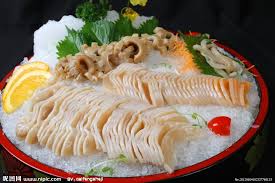
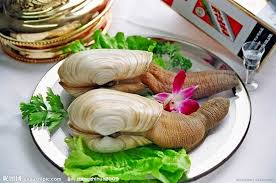
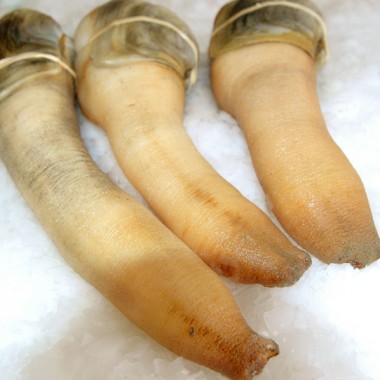
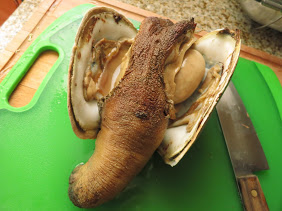
太平洋潛泥蛤(學名:Panopea generosa,英語:Geoduck),俗名象拔蚌,又名 皇帝蚌、女神蛤,是一種可食用蛤蜊,象拔蚌的殼一般長15-20厘米,但是其虹管可長達一米,形似象鼻,又大又多肉,因此被稱為「象拔蚌」。原產地在北美洲西海岸北太平洋沿海[,當由尤以華盛頓州及溫哥華海岸盛產。
象拔蚌在蛤蜊中體積是相當大的,成年期之後其天敵很少,因此也是自然界的長壽物種。象拔蚌為一種受華人及日本人崇尚食用的高級海鮮。過往由於北美當地人並不吃象拔蚌,當地的象拔蚌生長狀況良好。但自從亞洲移民開始捕食,當地的象拔蚌開始瀕臨絕種。象拔蚌從1970年代開始商業捕撈,在亞洲食品市場很受歡迎,野生數量快速下降。現在已有很多來自人工養殖。人工養殖過程是否會破壞環境還有待觀察。


The Pacific geoduck (/ˈɡuːiːdʌk/ "gooey duck"), scientific name Panopea generosa, is a species of very large, edible, saltwater clam in the family Hiatellidae] The common name is derived from a Lushootseed (Nisqually) word gʷídəq.
The geoduck is native to the west coast of North America. The shell of the clam ranges from 15 centimetres (5.9 in) to over 20 centimetres (7.9 in) in length, but the extremely long siphons make the clam itself much longer than this: the "neck" or siphons alone can be 1 metre (3.3 ft) in length. The geoduck is the largest burrowing clam in the world,[3] and one of the longest-lived animals of any type]


