
 .
.
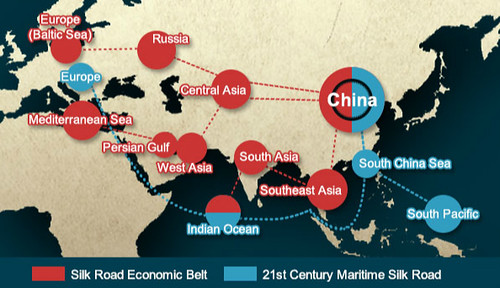
國父 孫中山山先生在"實業計劃,建國方略"一書中明確提出希望建設一個龐大的中國鐵路網,形成東西北、東西南、中央三大鐵路系統,其中特別指出希望修建烏魯木齊到伊犁的鐵路,並與歐亞各國鐵路貫通。只如今中國國民黨未完成的實業建設計劃,由中國共產黨接手繼續努力以赴建設中"一帶一路",時間與空間可以在2045年左右證明,孫中山先生的偉大戰略思想是正確的,高瞻遠屬,直得後輩晚生,努力奮鬥,奮戰不懈建設強大的新中國,NEW CHINA.也許2049年中國真正的強勢,將再度一統江山,接收台灣省,復興中華民族完成歷史任務,在台灣的朋友們你們是否喜憂參半? 好好努力加油為了下一代的生存?
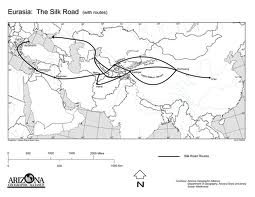
“現代絲綢之路”的雛形可追溯到19世紀末。1895年甲午戰敗後,清政府希望建設鐵路突破國家交通困境。法國人沙海昂曾在清政府任職,他提出修建21個鐵路幹線以匯成中國鐵路網的龐大計畫,其中特意提出修建南北、東西兩條國際大通道的規劃。東西國際大通道從中國沿海港口通過鐵路連接隴、秦、豫各省,再與外國鐵路相通,其中還有一小段付諸建設,即開封與洛陽間的汴洛鐵路。民國時期的1918年,其實,“一帶一路”就是要復興古絲綢之路。1868年至1872年間,德國地理學家李希霍芬在中國共旅行7次,遊歷大半個中國。1877年,李希霍芬在所著《中國》一書中首次提出“Seidenstrassen”絲綢之路.
https://youtu.be/tyBQ_EHEpqI?list=RDMMlrNsPOa0US0
 .
.
費迪南·馮·李希霍芬男爵(Ferdinand von Richthofen;1833年5月5日-1905年10月6日)是一位德國旅行家、地理和地質學家、科學家。
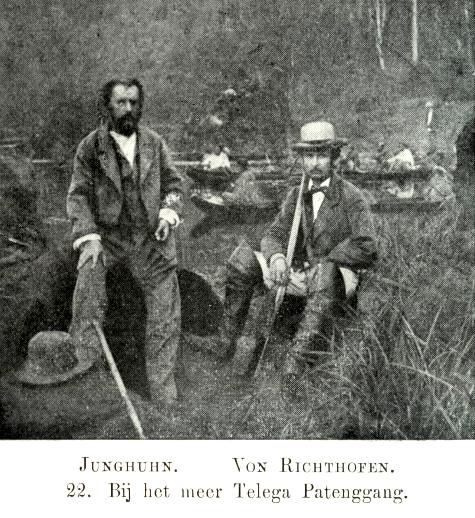
,李希霍芬參與普魯士政府組織的東亞遠征隊[Preussische Expedition],前往亞洲的許多地方,例如錫蘭、日本、台灣、印尼、菲律賓、暹邏和緬甸等地旅行。1863年到1868年間,他在美國的加利福尼亞州做了大量的地質勘查,他的研究間接導致了加州後來的淘金熱潮。1868年到1872年間,他轉到中國做了七次遠征,這段時期中,他正式地指出羅布泊的位置(新疆已乾涸的鹹水湖,旁邊有古樓蘭遺趾)。
第一次世界大戰中知名的飛行員曼弗雷德·馮·里希特霍芬(Manfred von Richthofen,有紅色男爵the Red Baron之稱)是費迪南·馮·李希霍芬的侄子。
中國西部的甘肅走廊南緣山脈,曾有一部份的英文名稱是依李希霍芬的名字命名的,如Richthofen Range,也就是今日的祁連山脈。
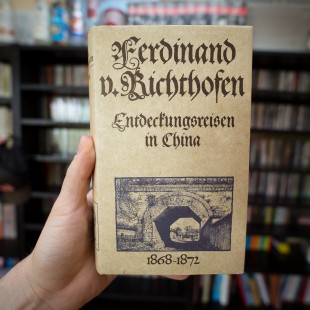
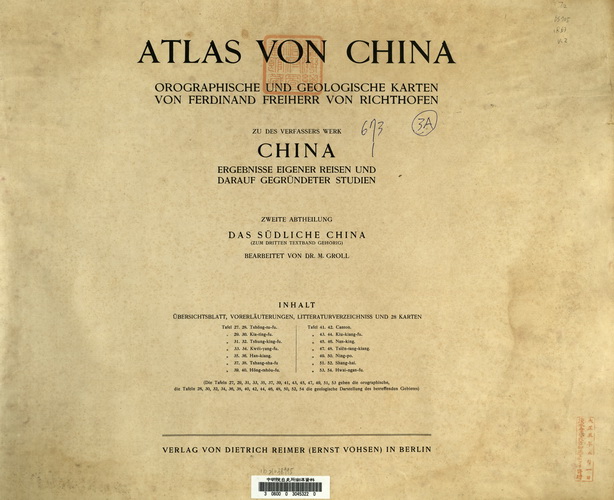
李希霍芬用在華考察的資料,完成了巨著《中國親身旅行和據此所作研究的成果》。該書於1877年出版,「絲綢之路(Silk Road)」一詞便首次出現於該書第一卷中。. 
Ferdinand Freiherr von Richthofen (5 May 1833 – 6 October 1905) was a German traveller, geographer, and scientist. He is noted for coining the terms "Seidenstraße" and "Seidenstraßen" = "Silk Road(s)" or "Silk Route(s)" in 1877.] He also standardized the practices of chorography and chorology. He was an uncle of the World War I flying ace Manfred von Richthofen, best known as the "Red Baron".
He was born in Carlsruhe, Prussian Silesia, and was educated in Breslau and Berlin. He traveled or studied in the Alps of Tyrol and the Carpathians in Transylvania. In 1860, he joined the Eulenburg Expedition, a Prussian expedition which visited Ceylon, Japan, Taiwan, Celebes, Java, the Philippines, Siam, Burma between 1860 and 1862. No important work resulted from these travels, for much of Richthofen's records and collections was lost. China was at the time inaccessible owing to the Taiping rebellion, but Richthofen was impressed with the desirability of exploring it. From 1862 to 1868, he worked as a geologist in the United States, discovering goldfields in California. He then followed up his interest in China by several more trips there, and also to Japan, Burma, and Java. In China he located the dried-up lake bed of Lopnur.
He is noted for coining the terms "Seidenstraße" and "Seidenstraßen" = "Silk Road(s)" or "Silk Route(s)" in 1877. He also standardized the practices of chorography and chorology.