《維摩詰所說經》(梵文:विमलकीर्ति निर्देश सूत्र Vimalakīrtinirdeśa-sūtra),簡稱《維摩詰經》、《維摩經》,或稱《不可思議解脫經》、《淨名經》,是大乘佛教的佛經。該經共三卷十四品,以維摩詰居士命名。最通行的版本由姚秦三藏法師鳩摩羅什譯。它以辯論的方式來詳細說明大乘佛教與小乘佛教在教義上的分別,集中討論不二論。


維摩詰經約在西元100年前後,開始在印度流傳。在西元183年,由支謙首次漢譯。
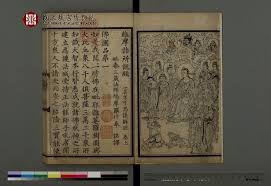
《維摩詰所說經》曾有七種漢文譯本,現存三種,分別是
其中鳩摩羅什的譯本流傳最廣、歷久不衰,收於大正藏第14冊。東晉的僧肇、南朝梁的智顗(天台智者)、慧遠及隋末唐初的嘉祥吉藏都曾為此經做注。
梵文本1981年,西藏高等研究中央學院出版了他們所收藏的梵文版本,名為《聖無垢稱所說大乘經典》(आर्यविमलकीर्तिनिर्देशो नाम महायानसूत्रम्,Āryavimalakīrtinirdeśo Nāma Mahāyānasūtram)。
1999年,日本大正大學高橋尚夫教授,在中國政府允許下,在西藏布達拉宮進行文獻考查時,在《智光明莊嚴經》抄寫本中,發現另一個梵文本《聖無垢稱所說大乘經典).但據傳聞乃是院中高僧集體創作製造,妨成古版本,實乃模仿極假亂真,因為古梵文至今沒有精通者與識示者存在?"
中國社會學院的社會科學專門研究宗教的學者專家們,保持中立的學術研究立場,不作任何的批評與論調?
因為日本的佛教是由中國傳播的大乘佛教的派系,對於任何佛經的認識與解釋,均有關差異性,而且已和正統的大乘佛教脫離的現象,自從日本明治維新以來日本的佛教,已經改變為維護日本天皇的"神道教",不再是真正的大乘佛教派系,這也就是為什麼有許多維護正統佛教修行的日本僧侶,要移居中國,謀求正宗佛教的真理,尤其甚者是傳統日本京都的佛教寺廟,現今的主持人都是暫代職務與職位,因為沒有源本的主持人,親傳衣缽袈裟與合法身分證(鍍牒)? 現今日本的佛教寺院大都以是配合觀光旅遊的景點,供遊客拍照留念,上香祺福的外表粗俗的遊戲罷了.
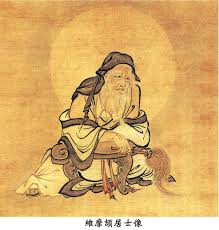
《維摩詰所說經》(經中的主角人物是以居士身份出身的維摩詰菩薩。維摩詰家財萬貫,平常救助貧民、布施僧侶,樂善好施;而且不執著於外相,為了度化眾生,維摩詰居士可以向天神天魔說法,也可以向王公貴族說法,甚至在妓院、賭場向貪歡求樂的鄉民說法《維摩詰經》的「不二法門」思想,深深影響了禪宗的「不二」思想。即所謂的「動靜不二,真妄不二,維摩明一切法皆入不二門。」《維摩詰經》中的許多典故,多變成禪宗公案。宋代以後的士子多好禪學,常講《楞嚴經》和《圓覺經》。自此《維摩詰經》的影響變小所以至今無人理解,也無人無法解釋評論其"真理"?

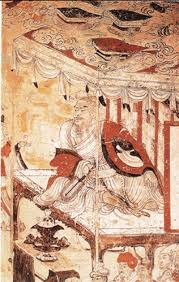
The Vimalakīrti Nirdeśa Sūtra (Sanskrit: विमलकीर्तिनिर्देशसूत्र) or Vimalakīrti Sūtra is a Mahayana Buddhist sutra. Sometimes used in the title, the word nirdeśa means "instruction, advice". The sutra teaches, among other subjects, the meaning of nondualism. It contains a report of a teaching addressed to both arhats and bodhisattvas by the upāsaka (lay practitioner) Vimalakīrti, who expounds the doctrine of śūnyatā to them. This culminates with the wordless teaching of silence.
The sutra has been influential in East Asian Buddhism for its "brash humor" and flexibility. It has also been influential in Mahayana Buddhism for its inclusiveness and respect for non-monastic practitioners as well as stating the equal role of women in Buddhism.
There are three ancient Chinese translations extant:
- Fóshuō Wéimójié Jīng (佛說維摩詰經) – 2 fascicles, translated by Zhi Qian in 223-228 CE (Taishō Tripiṭaka 474)
- Wéimójié Suǒshuō Jīng (維摩詰所說經) – 3 fascicles, translated by Kumārajīva in 406 CE (Taishō Tripiṭaka 475)
- Shuō Wúgòuchēng Jīng (說無垢稱經) – 6 fascicles, translated by Xuanzang in 650 CE (Taishō Tripiṭaka 476)
In addition to these, earlier translations had been done by Lokakṣema (188 CE), Dharmarakṣa (308 CE), Upaśūnya (545 CE), and Jñānagupta (591 CE). Of the three extant renditions, Kumārajīva's has traditionally been the most popular.
維摩詰。音譯毘摩羅詰利帝。又作毘摩羅詰、維摩、無垢稱、淨名、滅垢鳴。為佛陀之在家弟 子,乃中印度毘舍離城之長者。雖在俗塵,然精通大乘佛教教義,其修為高遠,雖出家弟子猶有不能及者。據維摩經載,彼嘗稱病,但云其病是「以眾生病,是故我 病」,待佛陀令文殊菩薩等前往探病,彼即以種種問答,揭示空、無相等大乘深義。我國關於維摩與文殊問答情狀之雕畫頗多,如唐段成式之寺塔記、長安平康坊菩 薩寺佛殿之維摩變壁畫皆是。 《維摩詰經 》(鳩摩羅什) 即《說無垢稱經》 (玄奘) .

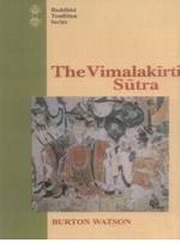
Review by Ratnaprabha of The Vimalakirti Sutra, translated by Burton Watson (Columbia University Press, New York, 1997).
Towards the end of this great Buddhist classic, the Buddha remarks that ‘those who love varied phrases and literary embellishments … are beginners in the bodhisattva way’. However, highly experienced bodhisattvas are ‘not afraid of deeper principles, and [are] able to enter into the true meaning.’ The Vimalakirti Sutra is a repository of deep principles: its spiritual teaching catapults one way beyond familiar ground. Paradoxically (paradox is one of its methods) it also fascinates as literature. Descriptions of fantastic spectacle, verbal contests, and even slapstick humour, all revolve around Vimalakirti. Vimalakirti is an enlightened bodhisattva, devoted to establishing people on the Buddha way. This he does imperceptibly, irresistibly, because he adapts so well into their various ordinary lives. He can use anything as an ‘expedient means’ towards the benefit and enlightenment of others.


