阿爾弗雷德·賽耶·馬漢(Alfred Thayer Mahan,1840年9月27日-1914年12月1日)是一名美國海軍的上校及預備役少將。馬漢的思想深受古希臘雅典海軍統帥地米斯托克利及政治家伯里克利的影響,主要著述有《海權對歷史的影響1660-1783》,《海權對法國革命及帝國的影響,1793-1812》,《海權的影響與1812年戰爭的關係》,《海軍戰略》等。


馬漢在1886-1889,1892-1893年兩度出任海軍學院院長.
馬漢認為制海權對一國力量最為重要。海洋的主要航線能帶來大量商業利益,因此必須有強大的艦隊確保制海權,以及足夠的商船與港口來利用此一利益。[]馬漢也強調海洋軍事安全的價值,認為海洋可保護國家免於在本土交戰,而制海權對戰爭的影響比陸軍更大。他主張美國應建立強大的遠洋艦隊,控制加勒比海、中美洲地峽附近的水域,再進一步控制其他海洋,再進一步與列強共同利用東南亞與中國的海洋利益。馬漢的海權論對日後各國政府的政策影響甚大。直到冷戰結束後美國在亞太地區的部署都以馬漢理論為原形。馬漢並且提出了相關的戰略,其因素分別如下:海權論
- 自然地理形態:具綿長之海岸線及擁有良好可用的港口。海岸線可決定向海洋發展的難易程度,良好港灣則代表向海發展的先天潛力,而土地的肥沃與否,則影響人民討海為生的意願和需求。一個國家的海岸線是其邊界的一部份,凡是一個國家其疆界易於與外界接觸者,其人民便較容易向外發展,與外面世界相交往。
- 國家領土大小範圍:供應必要物資,但地形未經河川嚴重分割,大到難於防守;馬漢認為國土的大小必須與人口、資源及其他權力因素相配合。一個國家人口的總數與海岸線總長度的比例,具極大重要性。否則廣大的領土可能反而成為弱點。
- 人口數量:提供從事海洋事業的人口培育,儲備海軍後備力量;人口數量和素質對海權均為重要基楚,海權國家不僅應有相當數量的從事航海事業人口,而其中直接參加海洋生活的人數更應占相當高度的比例。國家的平時航海事業(包括航運和貿易)足以決定其海軍在戰爭中的持久力。
- 民族性:面向海洋,具冒險犯難的性格,促進商機及航運發展;國民對海上貿易的意願及航海生產能力的心理因素亦極重要。若國民以向海洋尋求財富為榮,航海事業自然蓬勃。海洋商業與海軍的結合,。主要為貿易願望(重商主義)和生產能力;有此心理基礎,人民才會走向海洋尋求財富。
- 政府的性質和政策:政府的戰略主張,影響海軍武力的運用;政府必須明智而堅毅,始能對海權作長期發展。英國的成功主因即在此。海上貿易和海軍優勢為目的。政府若明智而堅毅,培養其人民對海洋的興趣,則海權的發展也自然比較容易成功。
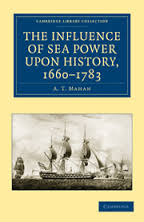
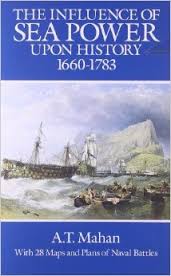
Alfred Thayer Mahan (September 27, 1840 – December 1, 1914) was a United States Navy admiral, geostrategist, and historian, who has been called "the most important American strategist of the nineteenth century."[1] His concept of "sea power" was based on the idea that countries with greater naval power will have greater worldwide impact; it was most famously presented in The Influence of Sea Power Upon History, 1660–1783 (1890). The concept had an enormous influence in shaping the strategic thought of navies across the world, especially in the United States, Germany, Japan and Great Britain, ultimately causing a European naval arms race in the 1890s, which included the United States. His ideas still permeate the US Navy Doctrine.
Several ships have been named as the USS Mahan, including the lead vessel of a class of destroyers.
Sea power.
Mahan used history as a stock of lessons to be learned—or more exactly, as a pool of examples that exemplified his theories. Mahan believed that national greatness was inextricably associated with the sea, with its commercial usage in peace and its control in war. His goal was to discover the laws of history that determined who controlled the seas. His theoretical framework came from Jomini, with an emphasis on strategic locations (such as chokepoints, canals, and coaling stations), as well as quantifiable levels of fighting power in a fleet. The primary mission of a navy was to secure the command of the sea. This not only permitted the maintenance of sea communications for one's own ships while denying their use to the enemy but also, if necessary, provided the means for close supervision of neutral trade. This control of the sea could not be achieved by destruction of commerce but only by destroying or neutralizing the enemy fleet. This called for concentration of naval forces composed of capital ships, not unduly large but numerous, well manned with crews thoroughly trained, and operating under the principle that the best defense is an aggressive offense.]


The Influence of Sea Power upon History, 1660-1783 presents the argument that, despite great changes and scientific advances in naval weaponry, certain principles of naval strategy remain constant. Beginning in the time of Alexander the Great, those nations with strong commercial and military command of the seas were the nations of greatest strength, wealth, and power. Though the determinants of military supremacy and the global balance of power have changed due to tremendous advances in technology, the principles and strategies discussed in the book remain creditable. The extensive presentation of the history of high-seas navigation alone makes this book an invaluable resource, as it has been credited with stimulating the growth of modern navies in leading countries of the world.
Alfred Thayer Mahan (1840-1914) served in the Civil War and twice served as the president of the United States Naval War College, beginning shortly after the college was founded. Mahan became known as one of the leading spokesmen for the age of American imperialism. In addition to his books on the history of naval warfare, he wrote biographies of David Farragut and Horatio Nelson.