),但各地施行方法並不一樣,有只割去陰蒂附近的皮膚,至把陰蒂及小陰唇全部割去都有。
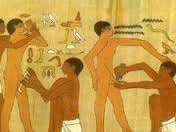
早期的山洞壁畫和古埃及墳穴已有關於割禮的描述[1][2][3],中東的不少宗教也有施行割禮。猶太教則視為上帝吩咐的命令,是必須遵行的宗教行為,男孩在出生後第八天要進行割禮,至今大部分的猶太人都遵從這規則。在其他地方,一般是建議在出生7天後,有的禁止超過10歲才施行,有的則允許到成年以前都可以。伊斯蘭教的《古蘭經》中沒有規定男孩要進行割禮,但是中東不少的回教國家都有此習俗,乃因紀錄穆罕默德言行的《赫諦斯經典》中曾提及之故[4]。至於替女性進行割禮,則以非洲居多。當地人對於割禮非常重視,他們往往都看成是人生比較重要和值得慶祝的事情。
女性割禮由於其造成的危險受到聯合國及國際人權組織的強烈反對,而男性割禮則由於猶太教傳統因素和社會文化因素而仍普遍存在。

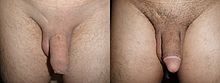
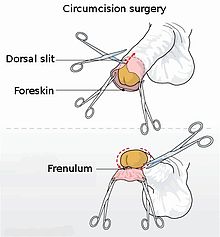
Male circumcision (from Latin circumcidere, meaning "to cut around")] is the surgical removal of the foreskin (prepuce) from the human penis.[2][3][4] In a typical procedure, the foreskin is opened and then separated from the glans after inspection. The circumcision device (if used) is placed, and then the foreskin is removed. Topical or locally injected anesthesia may be used to reduce pain and physiologic stress.[5] For adults, general anesthesia is an option, and the procedure is often performed without a specialized circumcision device. The procedure is most often elected for religious reasons or personal preferences,[1] but may be indicated for both therapeutic and prophylactic reasons. It is a treatment option for pathological phimosis, refractory balanoposthitis and chronic urinary tract infections (UTIs); it is contraindicated in cases of certain genital structure abnormalities or poor general health.

Evidence suggests that circumcision was practiced in the Arabian Peninsula by the 4th millennium BCE, when the Sumerians and the Semites moved into the area that is modern-day Iraq.[60] The earliest historical record of circumcision comes from Egypt, in the form of an image of the circumcision of an adult carved into the tomb of Ankh-Mahor at Saqqara, dating to about 2400–2300 BCE. Circumcision was done by the Egyptians possibly for hygienic reasons, but also was part of their obsession with purity and was associated with spiritual and intellectual development. No well-accepted theory explains the significance of circumcision to the Egyptians, but it appears to have been endowed with great honor and importance as a rite of passage into adulthood, performed in a public ceremony emphasizing the continuation of family generations and fertility. It may have been a mark of distinction for the elite: the Egyptian Book of the Dead describes the sun god Ra as having circumcised himself.[19][66]
Circumcision features prominently in the Hebrew Bible. The narrative in Genesis chapter 17 describes the circumcision of Abraham and his relatives and slaves, making him the first named individual to undergo the procedure. In the same chapter, Abraham's descendants are commanded to circumcise their sons on the eighth day of life. Many generations later, Moses was raised by the Egyptian elite, so circumcision was doubtless familiar to him. For the Jews of the time, circumcision was not as much a spiritual act as it was a physical sign of their covenant with God, and a prerequisite for the fulfillment of the commandment to produce offspring. In addition to proposing that circumcision was taken up by the Jews purely as a religious mandate, scholars have suggested that Judaism's patriarchs and their followers adopted circumcision to make penile hygiene easier in hot, sandy climates; as a rite of passage into adulthood; or as a form of blood sacrifice.
穆斯林、猶太人、美國人是幾個割除包皮比率較高的族群。美軍割包皮的情況也相常普遍。
醫學上的包皮環切術主要用於男性生殖器畸形的糾正,如包皮過長、包皮箝頓、包莖,屬於整形手術。包皮箝頓、包莖會影響正常的勃起,引起性交疼痛和射精困難。對於嬰兒來說,這一類的手術是值得商榷的,由於發育過程中,包皮會生長後退,成年後許多人並不會呈現包皮過長或包莖,因而對於嬰兒期的這一類人稱之爲假性包莖。但對於包皮箝頓、真性包莖,及時的手術有利於生殖器的正常發育。
包皮過長,主要影響到公共衛生,許多衛生條件和衛生意識落後的地區,人們對於個人衛生比較忽視,特別是男性,幾乎很少清洗包皮垢。長期積累的包皮垢的刺激和汙染,爲尿路感染和尿道疾病留下了隱患,這一點上並沒有性別差異。有研究顯示,包皮垢對於女性的子宮頸癌患病率有著不可忽視的影響。
包皮環切術可視為一種生殖器官的損毀行為,藉著改變生殖器的外觀以期符合特定的審美觀。
埃及人是世界上僅有的割除包皮的民族——至少他們是,當然還要加上那些效仿他們的民族。……
伊斯蘭的教規強調自然潔淨。雖然《古蘭經》裡沒有提到割禮,卻出現在一些聖訓(先知穆罕默德的訓示)之中
割禮為猶太人盛行的傳統宗教儀式,希伯來文稱此儀式為「盟約」(brit)或「割禮的盟約」(brit milah)。穆漢(mohel)為割禮執行人。男嬰如沒有生病或有其他健康問題等延期理由,穆漢就會為出生後第八天的男嬰舉行割禮。
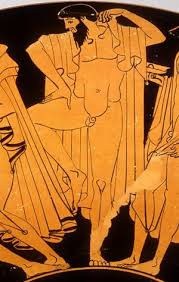
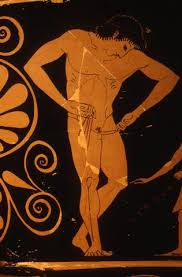
and Their Relation to Lipodermos, Circumcision, Foreskin Restoration,
and the Kynodesme
根據猶太教教義,受割禮是實踐上帝同亞伯拉罕所立之約(《創世記》第17章第10~14節),它是《五經》中所載上帝的第一項命令,即所有的男孩都要受割禮。基督教徒不必受割禮,這種教義最初載於《使徒行傳》第15章。青春期割禮表明脫離童年而成人。女性割禮是非洲某些地區的陋習。
割禮。割禮儀式普遍存在於世界各地的人類社會之中。穆斯林人、猶太人和澳大利亞土著人都有割禮風俗。美拉尼西亞人(Melanesians) 和玻利尼西亞人 (Polynesians) 也舉行割禮。甚至古埃及人以及某些美洲的印第安人顯然也舉行割禮。“割禮”當然指的是割下男性的包皮,就是一般覆蓋在敏感的陰莖龜頭上的鬆弛的卷狀皮膚。
男性割禮指男性割包皮。女性割禮,在非洲等地實行的把少女的全部生殖器(包括陰蒂、大陰唇、小陰唇在內)一點不剩地切割下來,再用鐵絲、植物刺把血淋淋的傷口縫合起來,只在陰道外留一個細如火柴棍的小孔的少女成年儀式。女性割禮只是一種委婉的說法,另一種委婉的措辭是女性生殖器官毀損。女子割禮歷來都是私下個別進行。除少數人到醫院去做之外,大多數人一如既往,都由民間巫醫、助產婦或親友操持。


