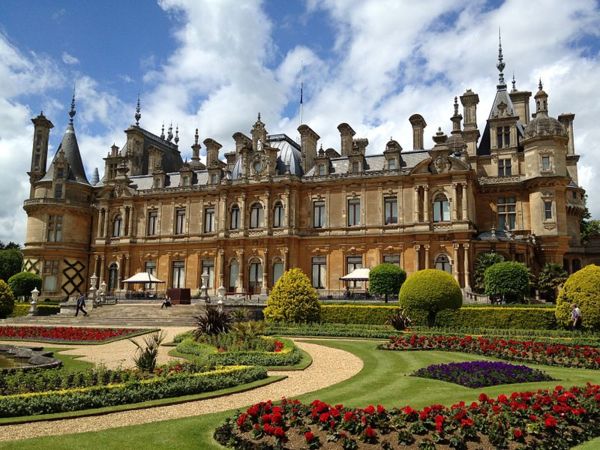
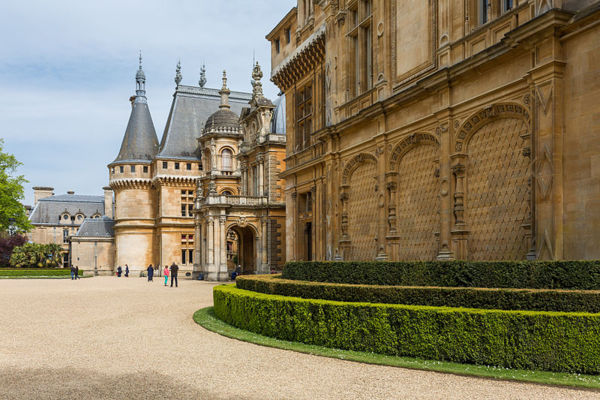
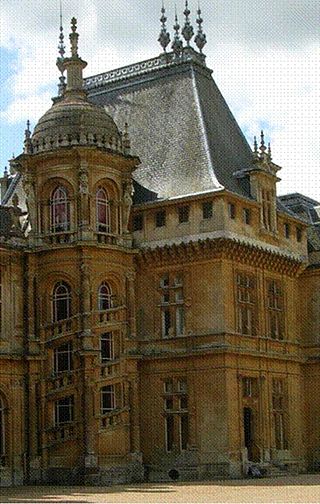
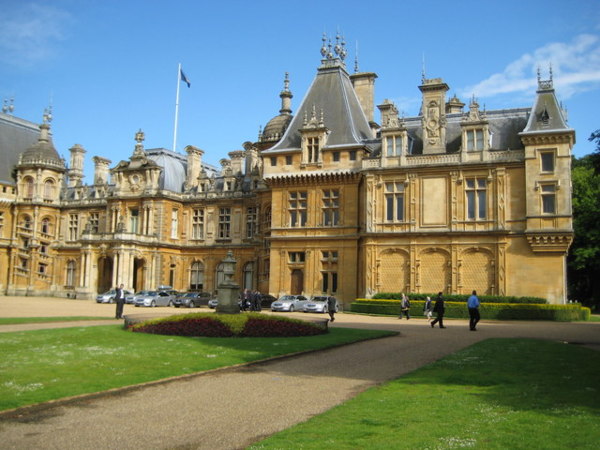
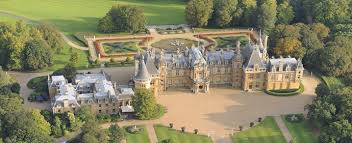
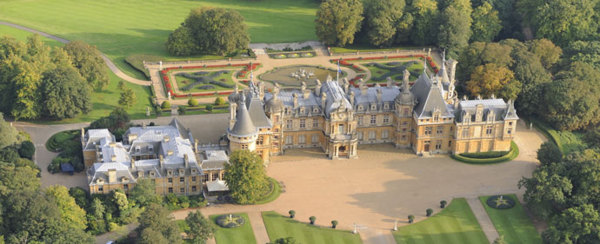
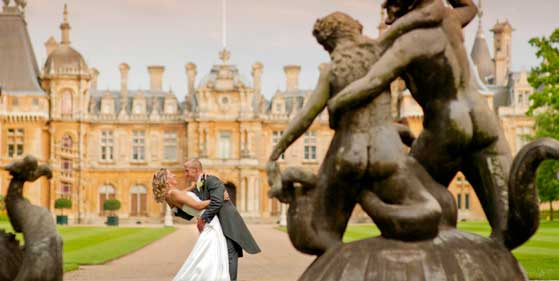
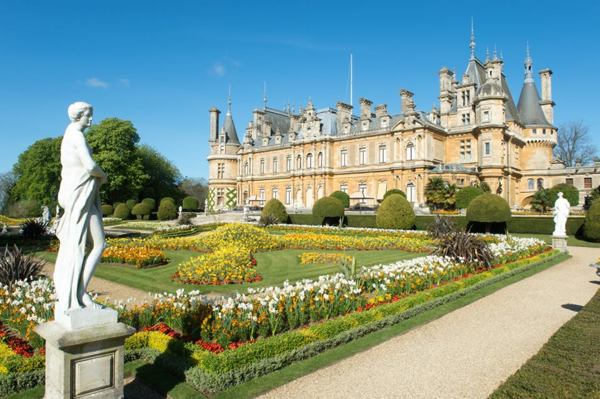
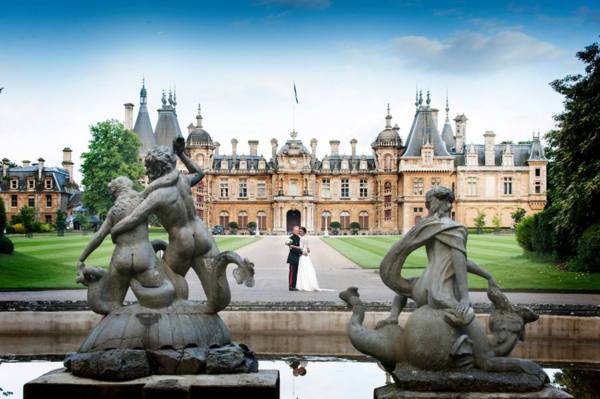
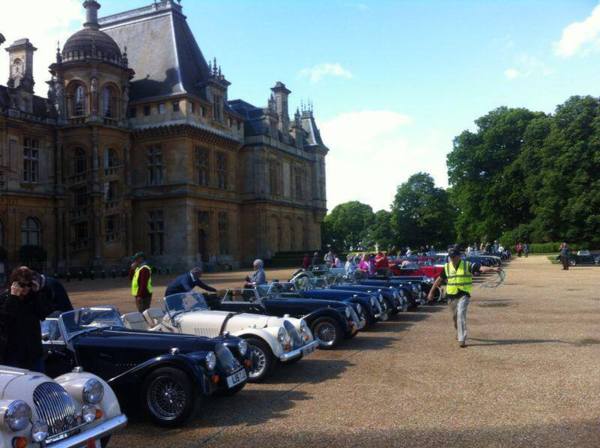

Waddesdon Manor is a country house in the village of Waddesdon, in Buckinghamshire, England. The house was built in the Neo-Renaissance style of a French château between 1874 and 1889 for Baron Ferdinand de Rothschild (1839–1898). Since this was the preferred style of the Rothschilds it became also known as the Goût Rothschild. The house, set in formal gardens and an English landscape park, was built on a barren hilltop overlooking Waddesdon village.
The last member of the Rothschild family to own Waddesdon was James de Rothschild. He bequeathed the house and its contents to the National Trust in 1957. Today, following an extensive restoration, it is administered by a Rothschild charitable trust that is overseen by Jacob Rothschild, 4th Baron Rothschild.

Several films have been shot at Waddesdon Manor, including the Carry On film Don't Lose Your Head, the Indian film Kabhi Khushi Kabhi Gham, Till We Meet Again [ and The Queen, in which interiors and the gardens doubled for Buckingham Palace. Waddesdon Manor has been used in several television series. The house stood in for the exterior of the fictional Haxby Park in the second season of Downton Abbey (the interior was filmed at Halton House) when Mary and Sir Richard intend to marry and so look for a house in which they wish to live, and as Snow White's and Prince Wendell's castle in the TV mini-series The Tenth Kingdom. In the latter series,
Over a century ago, the House and its setting were created to delight and surprise the small circle of Baron Ferdinand's friends.

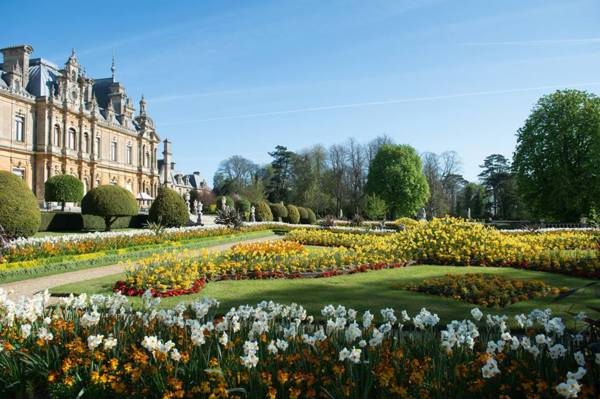
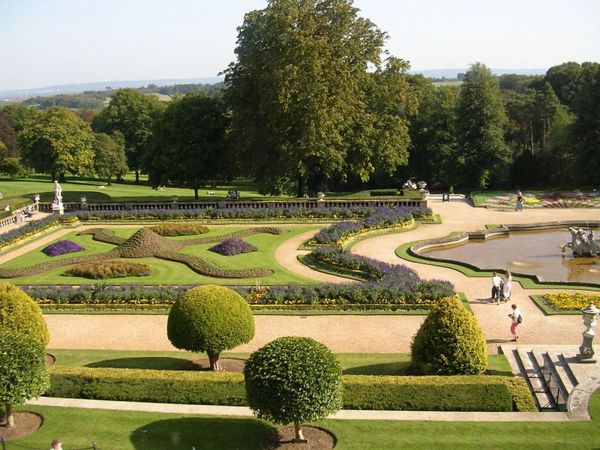
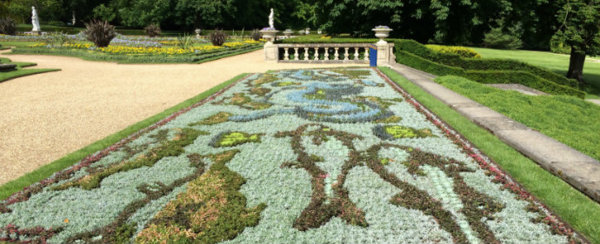
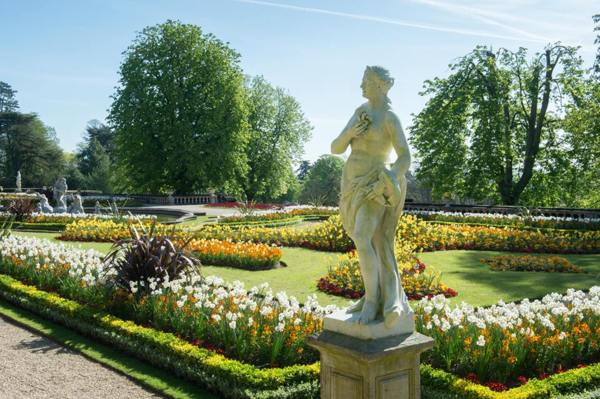
Enjoy the Gardens all year round, with impressive bedding planting to reflect the seasons. From the iconic Parterre with its carpet bedding , themed every year from our exhibitions, to the hidden statuary and fountains.

This is a rare example of a working aviary housed in an historical structure, restored to its full beauty and stocked with colourful birds. A must-see on your visit to Waddesdon.


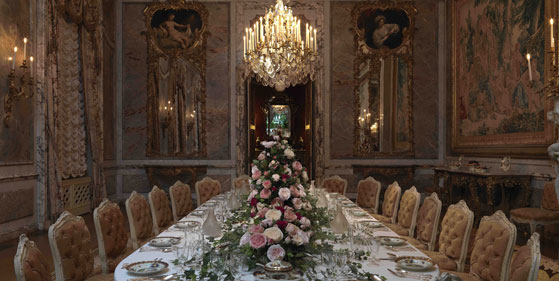
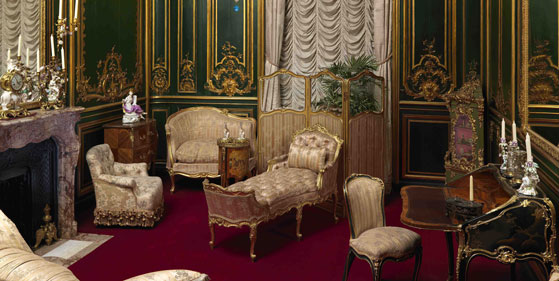
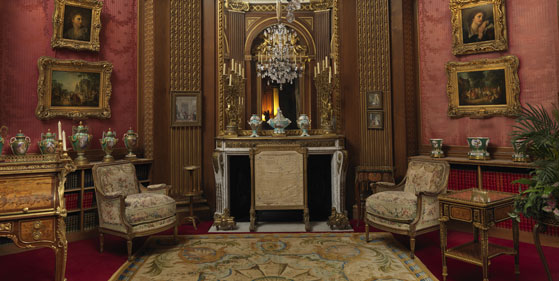
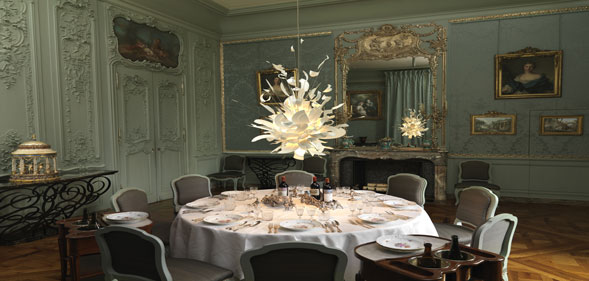
As a family, the Rothschilds were the greatest collectors of the 19th century, seeking the highest quality of workmanship and with a keen sense of historical importance. The houses that they built, the interiors they created and the magnificent collections within them became known internationally as the ‘goût Rothschild’. Waddesdon is one of the rare survivors of that splendour


 6樓. hsr2014/07/29 18:48
-
5樓. hsr2014/07/29 18:47

-
4樓. hsr2014/07/29 18:45

-
3樓. hsr2014/07/29 18:43

-
2樓. hsr2014/07/29 18:42

-
1樓. hsr2014/07/29 18:39


