



)。
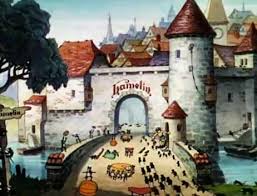
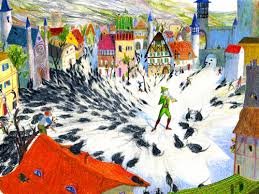
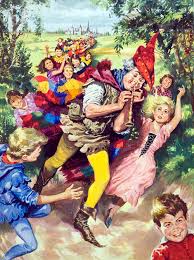
故事發生在1284年,在德國一個名叫哈默爾恩(Hameln)的村落,那裡鼠滿為患。某一天來了一個外地人自稱是捕鼠能手,村民向他許諾,能除去鼠患的話會給付重酬。於是他吹起笛子,鼠群聞聲隨行,被誘至威悉河淹死。事成後,村民違反諾言不付酬勞,吹笛人憤而離去。數周後,正當村民在教堂聚集之時,吹笛人回來吹起笛子,孩子們聞聲隨行,被誘至一個山洞內,困在洞中而死。另一個結局是村民最後給了吹笛人他應得的酬勞,他才把被困的孩子放出來。
研究者相信故事源於一件真實的歷史事件,但究竟是那一件,則眾說紛紜。一說那些孩子代表了當時到東歐殖民的年青人;一說那些孩童代表了1212年的兒童十字軍。


The Pied Piper of Hamelin (German: Rattenfänger von Hameln, the Rat-Catcher of Hamelin) is the subject of a legend concerning the departure or death of a great number of children from the town of Hamelin (Hameln), Lower Saxony, Germany, in the Middle Ages. The earliest references describe a piper, dressed in multicolored clothing, leading the children away from the town never to return. In the 16th century the story was expanded into a full narrative, in which the piper is a rat-catcher hired by the town to lure rats away with his magic pipe. When the citizenry refuses to pay for this service, he retaliates by turning his power that he put in his instrument on their children, leading them away as he had the rats. This version of the story spread as folklore. This version has also appeared in the writings of, amongst others, Johann Wolfgang von Goethe, the Brothers Grimm and Robert Browning.
The earliest mention of the story seems to have been on a stained glass window placed in the Church of Hamelin c. 1300. The window was described in several accounts between the 14th and 17th centuries.[5] It was destroyed in 1660. Based on the surviving descriptions, a modern reconstruction of the window has been created by historian Hans Dobbertin. It features the colorful figure of the Pied Piper and several figures of children dressed in white.


Among the various interpretations, reference to the colonization of East Europe starting from Low Germany is the most plausible one: The "Children of Hameln" would have been in those days citizens willing to emigrate being recruited by landowners to settle in Moravia, East Prussia, Pomerania or in the Teutonic Land. It is assumed that in past times all people of a town were referred to as "children of the town" or "town children" as is frequently done today. The "Legend of the children's Exodus" was later connected to the "Legend of expelling the rats". This most certainly refers to the rat plagues being a great threat in the medieval milling town and the more or less successful professional rat catchers.

「吹笛人」帶走 130個小孩的發生地「哈梅林 」(Hamelin)。
西元1284年德國漢梅林(Hameln)小鎮上,突然出現數量龐大鼠患,居民們用盡了各種方法,都無法驅逐老鼠,
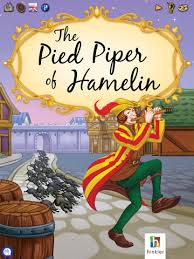
最後全都束手無策,正當鎮長及居民們心灰意冷憂心小鎮的未來時,出現了一個流浪的外地人,身穿著花色古怪的服裝、腰上插著笛子,拍著胸脯說他有方法可以清除老鼠,但必須付給他一袋金幣才行。
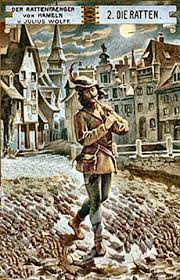
小城的鎮長說:「只要能趕走老鼠,付他50倍的酬勞都行。」於是吹笛人拿出笛子,吹起輕柔曲調,神奇的笛聲,讓整個鎮上的老鼠似乎不得不聽從它的「命令」,紛紛從溝裡、房裡、櫃下、床底跑出來,著魔似的跟著吹笛人,
最後笛聲來到河邊,被迷惑的老鼠們一批接著一批跳進河裡,最後全部被河水沖走了,全城居民們欣喜若狂,長久以來的鼠患終於解決了。
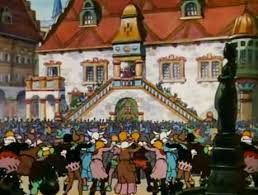
但吹笛人索取酬勞的時候,鎮長和居民們卻只肯付出一枚金幣,並且睥睨的說:「哼!我們還肯給你一枚金幣你就要感謝我們了,那些老鼠根本是自己跳下去淹死的,才不是你的功勞呢。」
吹笛人抑制住了自己的憤怒,收下金幣就默默離開小鎮了。
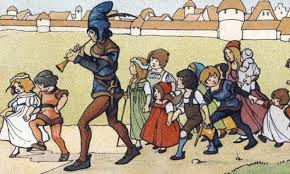
當晚,月亮高掛天空,家家安睡,到了半夜,小城的空中忽然響起了一陣清澈的笛聲,笛聲飄動著,每一家的小孩都從家裡跑到路上,一個接著一個跟在吹笛人的身後。
吹笛人一邊吹著笛子,一邊往山上走去,小孩全跟在他身後,漸漸的月光慢慢的被雲擋住,而吹笛人和小孩也越走越遠,最後全部消失在山裡面了。
只有一個柱著拐扙的小孩,因為走路速度追不上隊伍,最後一個人哭著回到城裡告訴大家發生的事情。
德國漢梅林是著名童話故事「吹笛人」(在德國這個童話故事稱為「捕鼠的男孩 Rattenfanger」)的發生地,
故事描寫1284年時,漢梅林鎮上有許多兒童莫名其妙就失蹤了,原因至今仍是個謎。
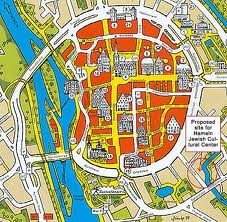
火車站前直行便可到舊市區,進入舊市區在第一個南邊轉角看到的石造建築物,便是捕鼠人之家,現在已改為餐廳。在餐廳旁邊的小巷子是文根雷森街,據說這條街就是兒童失蹤的地方,牆壁上仍刻有兒童失蹤的碑文。
因此即使時至今日,仍一直維持禁止在這條街跳舞嬉鬧的傳統哦!
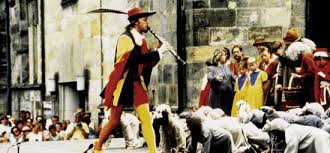
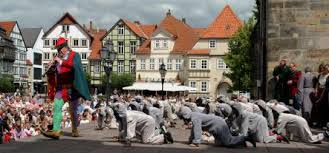
而位在歐斯達街Oster St.的赫海查因之家(Hochzeitshaus)牆上的花式掛鐘,定時會表演捕鼠人的故事,常擠滿了觀光客圍觀,已成為漢梅林非常重要的觀光景點。
歷史確有孩子集體失蹤在漢梅林市的教會裡保存著一二八四年六月二十六日一百三十個兒童失蹤的紀錄
The Old Town
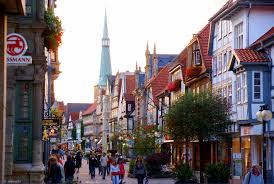
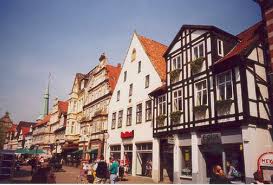
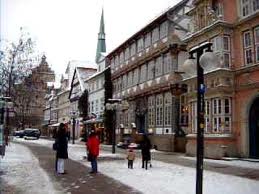
Hamelin’s old town is a charming collection of 16th and 18th century buildings, half timbered houses and small, winding side streets. It underwent a careful and loving restoration from the 1960’s to the 1990’s, and visitors can now follow the ‘rat trail’ of painted rat shapes in a tour of the highlights of the old town.
Weser Hill Country
Hamelin is situated in the Weser Mountains region, which gives ample opportunity for more active pursuits. The town is surrounded by a well-signposted network of hiking and cycle paths, which make exploring the rolling countryside easy and convenient.
Hämelschenburg Castle
Built in 1588, Hämelschenburg is a magnificent moated castle built in the Weser Renaissance style. It is regarded as one of the most beautiful in Northern Germany.
RATS! The Musical
Every Wednesday from May to September, this humorous adaptation of the Pied Piper legend is performed in the centre of the Old Town. Admission is free.
舊城區 哈梅林的老城區是16世紀和18世紀的建築,半木結構房屋和小型,蜿蜒小街的一個迷人的集合。它經歷了從1960年的細心和愛心恢復到20世紀90年代,而現在遊客可以跟隨在老城區的亮點參觀鼠繪形狀的“鼠徑”。
威悉山國家 哈梅林位於威悉山脈地區,這給出了更積極的追求充分的機會。這個鎮是由一個好路標的遠足和自行車道,使探索連綿起伏的鄉村容易和方便的網絡包圍。
Hämelschenburg城堡 建於1588年,Hämelschenburg是建在威悉文藝復興時期的風格宏偉的護城河的城堡。它被認為是最美麗的德國北部之一。
大鼠!音樂劇 每個星期三從五月到九月,吹笛傳說這個幽默的改編是在老城區的中心進行。免費入場。


