《申根公約》的成員國亦稱「申根國家」或者「申根公約國」,成員國的整體又稱「申根區」。

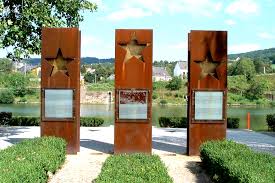
The Schengen Agreement led to the creation of Europe's borderless Schengen Area in 1995. The treaty was signed on 14 June 1985 between five of the then ten member states of the European Economic Community near the town of Schengen in Luxembourg. It proposed the gradual abolition of border checks at the signatories' common borders. Measures proposed included reduced speed vehicle checks which allowed vehicles to cross borders without stopping, allowing of residents in border areas freedom to cross borders away from fixed checkpoints and the harmonisation of visa policies.
In 1990 the Agreement was supplemented by the Schengen Convention which proposed the abolition of internal border controls and a common visa policy. The Schengen Area operates very much like a single state for international travel purposes with external border controls for travellers entering and exiting the area, and common visas, but with no internal border controls. It currently consists of 26 European countries covering a population of over 400 million people and an area of 4,312,099 square kilometres (1,664,911 sq mi)

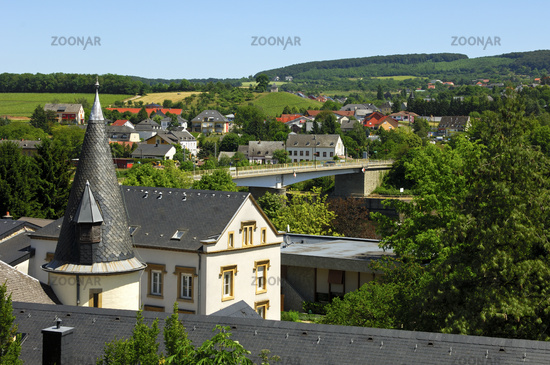
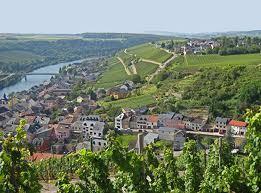
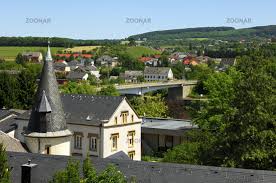
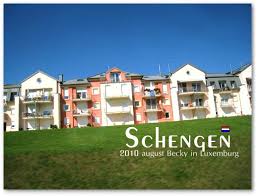
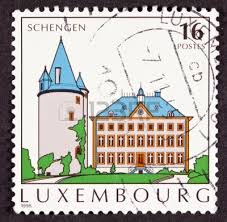
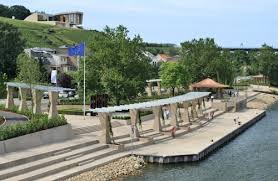
申根(英語:Schengen)是盧森堡最東南端的小鎮,行政上隸屬於格雷文馬赫(Grevenmacher)區,雷米希(Remich)郡。它處於盧森堡、德國和法國三國的交界處,北緯49°28′,東經6°22′,面積10.63平方千米,人口約1500多人。1985年6月14日,《申根公約》在當地摩澤爾河上的一條名為瑪麗·阿絲特裏德公主(Princesse Marie-Astrid)號的船上簽署。小鎮也因此而出名。

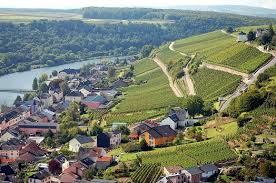
Schengen (pronounced [ˈʃeŋə(n)]) is a small wine-making village and commune in far south-eastern Luxembourg, near the tripoint where the borders of Germany, France, and Luxembourg meet. Other villages within the commune include Remerschen and Wintrange. As of 2005[update], the commune has a population of 1527 with an area of 10.63 square kilometres (4.10 sq mi).
The largest settlement with the commune of Schengen is Remerschen after which the commune used to be named. The name of the commune was changed in 2006[1] to take advantage of the Schengen's name recognition after the signing of the Schengen Agreement there in 1985.


