http://www.youtube.com/watch?v=1IxUyM7TC94&list=PLCBBEEDD5C9F7A8C4&feature=share&index=1
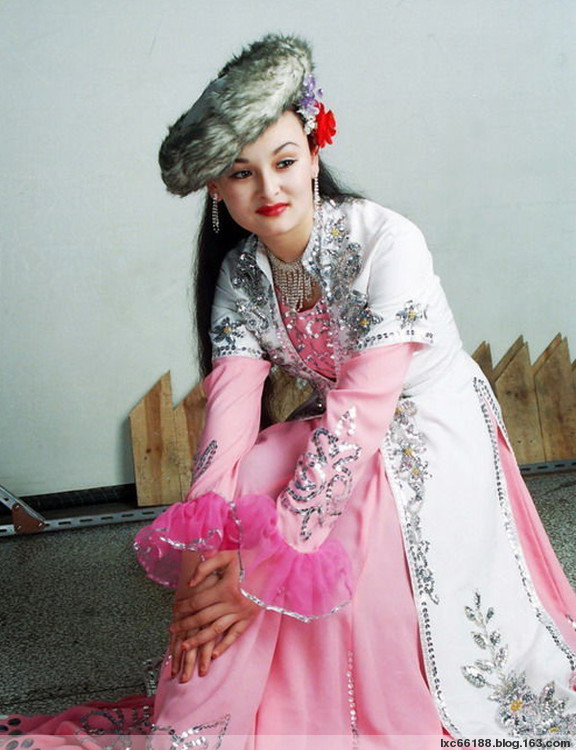
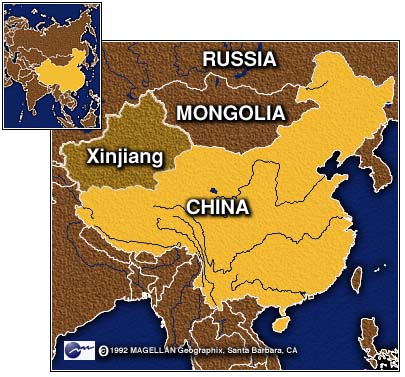
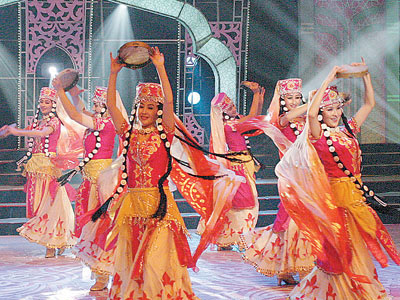
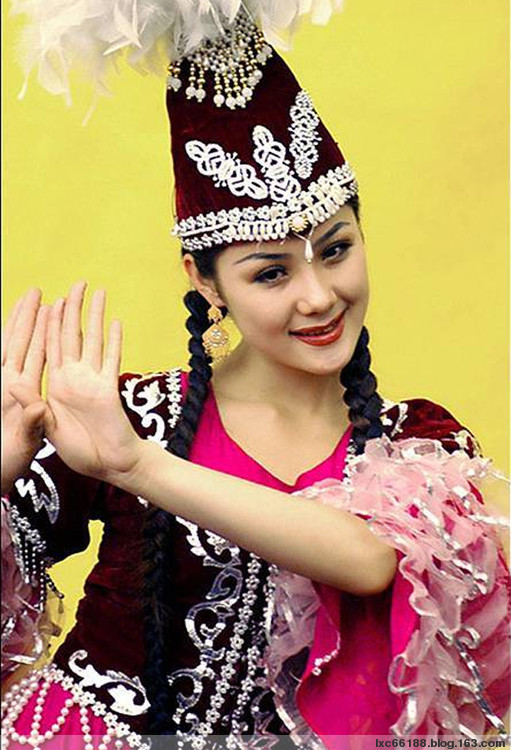
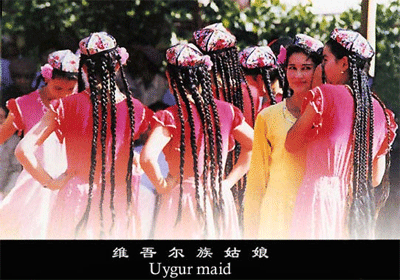
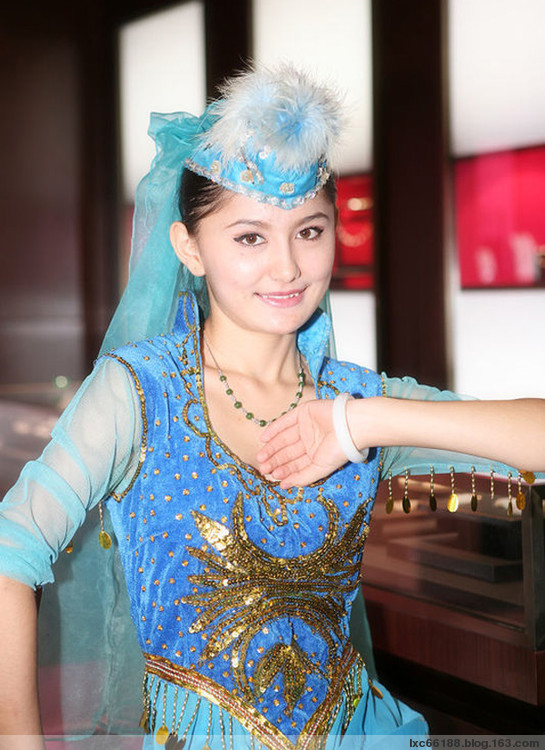
維吾爾族(維吾爾語:ئۇيغۇر / Uyghur / Уйғур),古代北亞民族回鶻和中亞中世紀各穆斯林民族的後裔(由九姓烏古斯、葛邏祿、回紇後裔發展而成,維吾爾族的民系有塔蘭奇人、吐魯番(哈密)人、喀什噶爾人,外加薩爾特人),「維吾爾」是「聯合、團結」的意思,維吾爾族說維吾爾語,使用維吾爾文,信仰伊斯蘭教。。世界維吾爾族人口1250萬,當中大部分都在新疆維吾爾自治區居住,另外在湖南省桃源縣和常德縣(今鼎城區)有集中分佈,現有人口的85.2%集中在庫爾勒、阿克蘇、喀什、和田四個地區。中華人民共和國境內的維吾爾族是官方統計的55個少數民族之一。
1934年,新疆維吾爾文化促進會成立,該會呈請將族名恢復原名。1935年,新疆邊防督辦公署及新疆省政府發布關於將「纏族」名稱改為「維吾爾族」的通令。該通令稱,
http://www.youtube.com/watch?v=4jz6Z-BB5us&list=RDdvMznM_LC04&feature=share

The history of the Uyghur people, as with the ethnic origin of the people, is an issue of contention between Uyghur nationalists and the Chinese authority Uyghur historians viewed the Uyghurs as the original inhabitants of Xinjiang with a long history. Uyghur politician and historian Muhemmed Imin Bughra wrote in his book A history of East Turkestan, stressing the Turkic aspects of his people, that the Turks have a 9000-year history, while historian Turgun Almas incorporated discoveries of Tarim mummies to conclude that Uyghurs have over 6400 years of history and the World Uyghur Congress claimed a 4,000-year history.[53] However, official Chinese view asserts that the Uyghurs in Xinjiang originated from the Tiele tribes and only became the main social and political force in Xinjiang during the ninth century when they migrated to Xinjiang from Mongolia after the collapse of the Uyghur Khaganate, replacing the Han Chinese they claimed were there since the Han Dynasty Many modern Western scholars however do not consider the modern Uyghurs to be of direct linear descent from the old Uyghur Khaganate of Mongolia, rather they are descendants of a number of people, of which the ancient Uyghurs are but one


維吾爾以饢(naan,維吾爾麵包,但區別於麵包,最長的能存20天左右)為主食,是一種由麵粉烘焙出來的烤餅。小環形饢就是bagel的原始型態。
維吾爾人常飲用磚茶,有節日時,會用抓飯(polo)招待訪客。
羊肉串(kawap)也是非常著名的維吾爾族食品。


