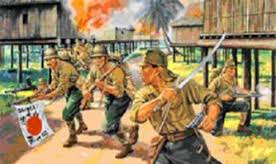
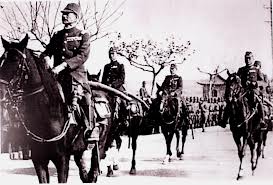
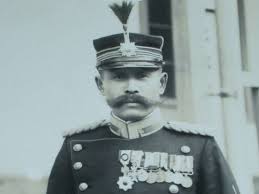
關東關東軍是1919年至1945年日本駐紮在滿洲(中國東北)的部隊。其編制最大時有31個步兵師團、11個步兵和坦克旅團、1個敢死隊旅團和2個航空軍,共約85萬人;其中防疫給水部本部(滿洲第731部隊)從事生物細菌戰,並以中國人及同盟國軍戰俘作人體試驗。

.gif)
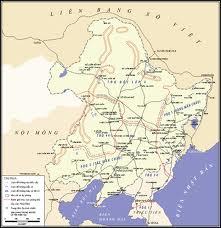
1905年,日俄戰爭後,日本奪取了遼東半島南部關東州(意指在山海關以東,前為俄國管轄)的租借權和南滿鐵路經營權;日本為保護南滿鐵路權益,成立「滿鐵守備隊」,另駐留南滿一個師團。1919年,日本在今遼東半島南部(包括今大連、旅順、金州)的關東州設立關東都督府,下設民政部和陸軍部,滿鐵守備隊和駐留師團歸屬關東都督指揮;同年,在關東都督府陸軍部的基礎上,在旅順口設關東軍司令部。
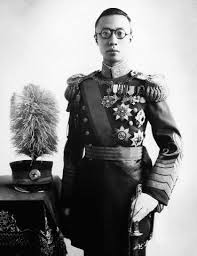
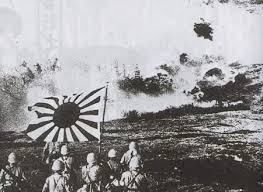
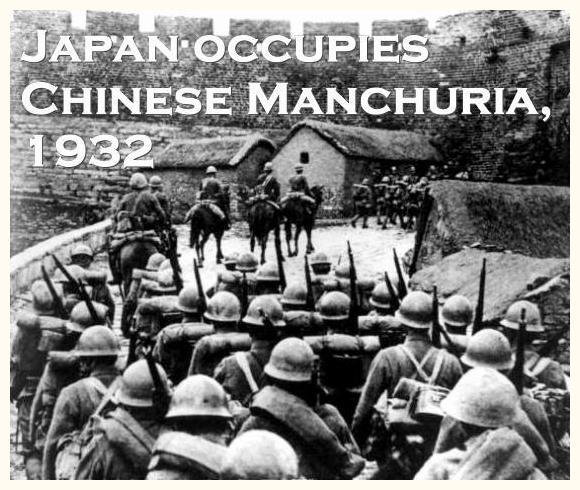
1928年,關東軍製造「皇姑屯事件」,炸死滿洲統治者奉系軍閥張作霖,意圖製造混亂,但張作霖之子張學良,還是順利回到奉天繼位。1931年9月18日,關東軍製造「柳條湖事件」,並以此為藉口炮擊東北軍大營,發動了滿洲事變,拉開了長達十四年的侵華戰爭的序幕。918事變當晚,關東軍司令部即連夜由旅順遷往瀋陽。1932年,關東軍扶植了前清的宣統帝,建立滿洲國。其間和其後,關東軍屢次擴大規模。
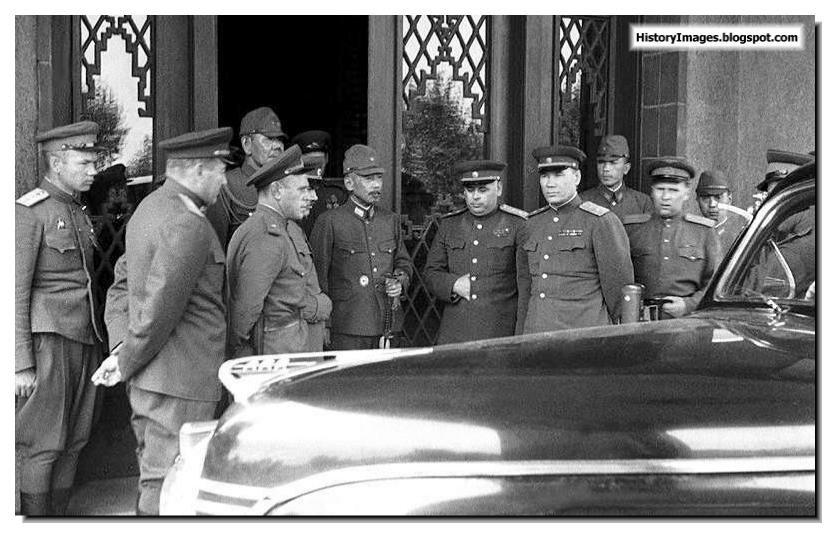
1945年8月,關東軍最後一任總司令山田乙三大將終於向蘇軍提出了停戰談判的請求。8月19日中午,蘇軍阿爾捷緬科上校率5名軍官、6名士兵組成的軍使團,在9架殲擊機護航下到達長春機場與日軍進行談判。迫於壓力,山田乙三向蘇軍代表交出了象徵指揮權的軍刀,宣布自己和部屬成為蘇軍俘虜。八月風暴中關東軍損失約67.7萬人,其中8.3萬人被擊斃,59.4萬人投降,而蘇軍僅傷亡3.2萬人。戰後,餘下的關東軍被送到西伯利亞從事強制勞動。
The Kwantung Army (Japanese: 関東軍; Hepburn: Kantōgun; simplified Chinese: 关东军; traditional Chinese: 關東軍; pinyin: Guāndōngjūn; Wade–Giles: Kuan1-tung1 Chün1; Korean: 관동군) was an army group of the Imperial Japanese Army in the first half of the 20th century. It became the largest and most prestigious command in the IJA. Many of its personnel, such as Chiefs of Staff Seishirō Itagaki and Hideki Tōjō were promoted to high positions in both the military and civil government in the Empire of Japan and it was largely responsible for the creation of the Japanese-dominated Empire of Manchukuo. In August 1945, the army group, only around 600,000 (from a previous total of 1,320,000) men at the time, was defeated by and surrendered to Soviet troops as a result of the Manchurian Strategic Offensive Operation.
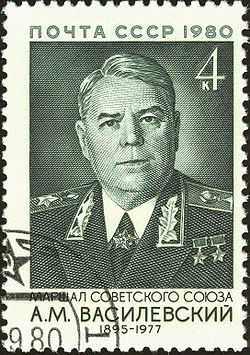
The final commander in chief of the Kwantung Army, General Otozō Yamada, ordered a surrender on August 16, 1945, one day after Emperor Hirohito announced the surrender of Japan in a radio announcement. Some Japanese divisions refused to surrender, and combat continued for the next few days. Marshal Hata received the "ultimatum to surrender" from Soviet General Georgii Shelakhov[5][6] in Harbin on August 18, 1945.[5] He was one of the senior generals who agreed with the decision to surrender, and on August 19, 1945, Hata met with Marshal Aleksandr Vasilevsky,[7] but asked that he be stripped of his rank of Field Marshal in atonement for the Army's failures in the war.[8]
The remnants of the Kwantung Army were either dead or on their way to Soviet prisoner-of-war camps. Over 500,000 Japanese prisoners of war were sent to work in Soviet labor camps in Siberia, Russian Far East and Mongolia. They were largely repatriated, in stages, over the next five years, though some continued to be held well into the 1950s


