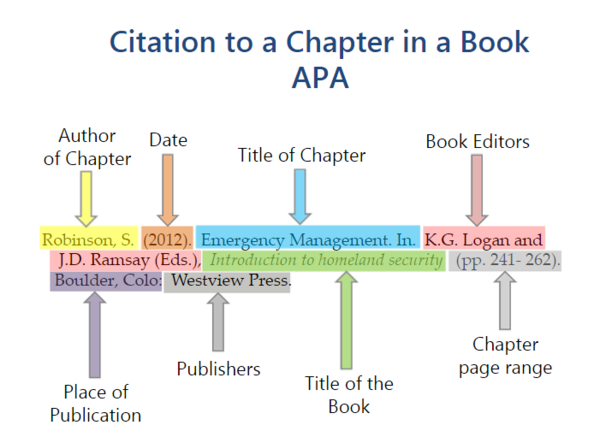
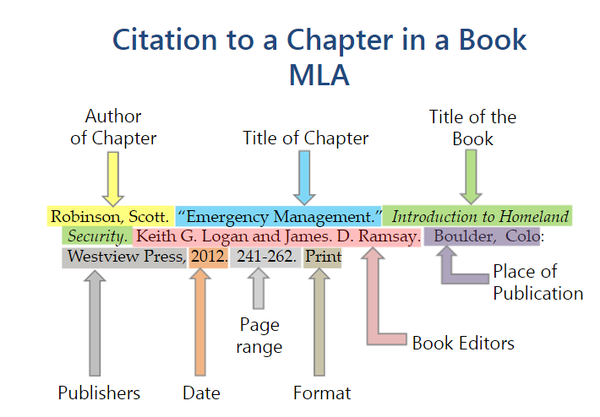
Citation
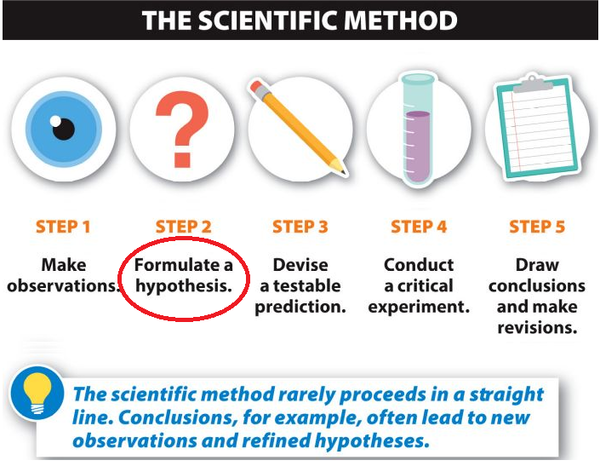
Hypothesis
A hypothesis (plural hypotheses) is a proposed explanation for a phenomenon.
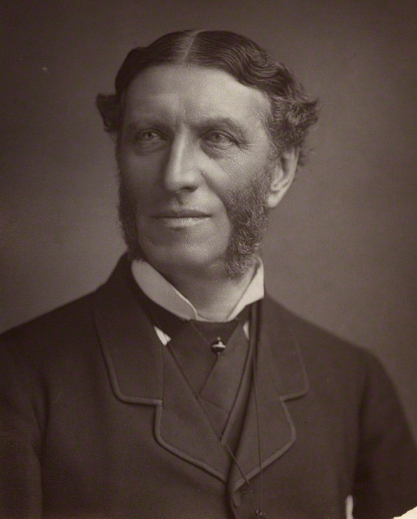
Dover Beach - by Matthew Arnold
The sea is calm tonight.
The tide is full, the moon lies fair
Upon the straits; on the French coast the light
Gleams and is gone; the cliffs of England stand,
Glimmering and vast, out in the tranquil bay.
Come to the window, sweet is the night-air!
Only, from the long line of spray
Where the sea meets the moon-blanched land,
Listen! you hear the grating roar
Of pebbles which the waves draw back, and fling,
At their return, up the high strand,
Begin, and cease, and then again begin,
With tremulous cadence slow, and bring
The eternal note of sadness in.
Sophocles long ago
Heard it on the Ægean, and it brought
Into his mind the turbid ebb and flow
Of human misery; we
Find also in the sound a thought,
Hearing it by this distant northern sea.
The Sea of Faith
Was once, too, at the full, and round earth’s shore
Lay like the folds of a bright girdle furled.
But now I only hear
Its melancholy, long, withdrawing roar,
Retreating, to the breath
Of the night-wind, down the vast edges drear
And naked shingles of the world.
Ah, love, let us be true
To one another! for the world, which seems
To lie before us like a land of dreams,
So various, so beautiful, so new,
Hath really neither joy, nor love, nor light,
Nor certitude, nor peace, nor help for pain;
And we are here as on a darkling plain
Swept with confused alarms of struggle and flight,
Where ignorant armies clash by night.
Questions from the quiz:
ⓐ In the second stanza, what does the allusion to Sophocles convey?
▶ the universality of human suffering
ⓑ What does the Sea of Faith, mentioned in the third stanza, have in common with the sea the speaker describes in the first stanza?
▶ The Sea of Faith has become more distant, as the actual sea does at low tide.
ⓒ How does the speaker’s tone change through the first stanza?
▶ At first he seems peaceful and happy, but the sound of the waves saddens him.
Matthew Arnold (←click)
Heroic Couplet
→ a traditional form for English poetry, commonly used in epic and narrative poetry, and consisting of a rhyming pair of lines in iambic pentameter
Carpe Diem
a Latin aphorism, usually translated "seize the day"
唐詩《金縷衣》
勸君莫惜金縷衣,勸君惜取少年時。
花開堪折直須折,莫待無花空折枝。
Prime time (←click)
Prime time or peak time is the block of broadcast programming taking place during the middle of the evening for television programming.
限會員,要發表迴響,請先登入


