★ equ- :
equal : ⓐ having the ability and determination needed to do something difficult
e.g. Patricia would be equal to the task of running a large department.
ⓑ as good as another thing or person
e.g. They were facing soldiers whose skill was at least equal to their own.
ⓒ something is equal to something
: used for saying that two things are the same in value, amount, or size
e.g. One unit of alcohol is equal to one small glass of wine.
equity : the value of a company, divided into many equal parts owned by the
shareholders, or one of the equal parts into which the value of a company is divided
equanimity : a calm mental state, especially after a shock or disappointment or in
a difficult situation
equate : to consider one thing to be the same as or equal to another thing
equidistant : equally far or close
★ tri- : three
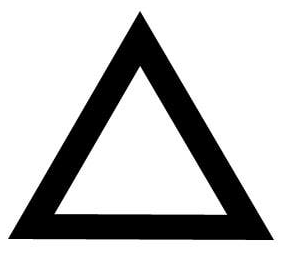
triangle ⇩
triple
★ pro- : many, much ; in favor of
prolific
protagonist : an important supporter of an idea or political system; one of the main characters in a story or a play
proponent ⇆ opponent (ob- ; op- : against e.g. obstacle)
★ cir- : round
circulation : the process in which something such as information, money, or
goods passes from one person to another
circus
★ comprehend : to understand something completely
comprehensive : complete and including everything that is necessary
comprehension : the ability to understand completely and be familiar
with a situation, facts, etc.
reprehend : express strong disapproval of
reprehension : an act or expression of criticism and censure
apprehend : to arrest someone; to understand something
apprehension : worry about the future, or a fear that something unpleasant
is going to happen; the act of arresting someone
★ Rest in peace
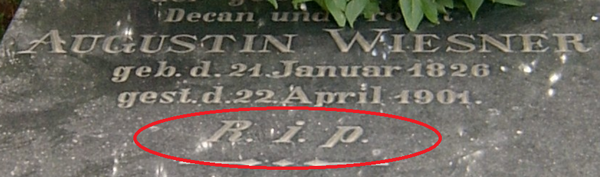
"Rest in peace" (Latin: Requiescat in pace) is a short epitaph or idiomatic expression wishing eternal rest and peace to someone who has died. The expression typically appears on headstones, often abbreviated as R.I.P. or RIP.
The epitaph R.I.P. on a headstone
★ henpecked : A henpecked man is controlled by and a little frightened of
a woman, especially his wife.
Rip Van Winkle
"Rip Van Winkle" is a short story by American author Washington Irving published in 1819 as well as the name of the story's fictional protagonist.
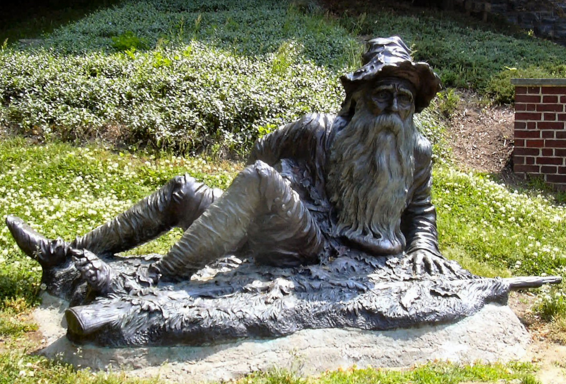
Rip Van Winkle is descended from gallant soldiers but is a peaceful man himself, known for being a kind and gentle neighbor. His single flaw is an utter inability to do any work that could turn a profit. It is not because he is lazy—in fact, he is perfectly willing to spend all day helping someone else with their labor. He is just incapable of doing anything to help his own household. He also is well-known for being an obedient, henpecked husband, for Dame Van Winkle has no problem shouting insults into the neighborhood and tracking him down in the village to berate him. All the women and children in the village love him and side with him against his wife, and even the dogs do not bark at him.
⇓ Statue of Rip van Winkle
✦ The Dutch "van" is an indication of nobility or royalty.
for example, Vincent van Gogh
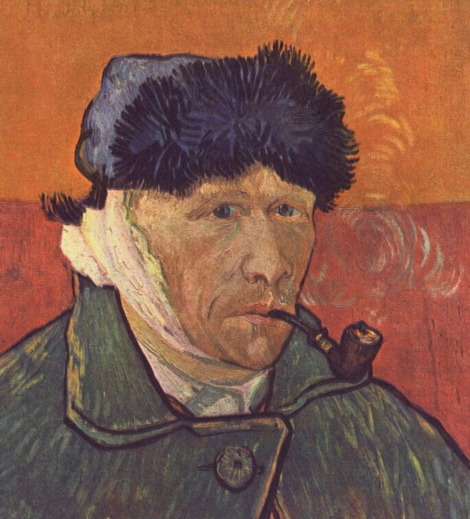
Vincent Willem van Gogh ( 30 March 1853 – 29 July 1890) was a Dutch post-Impressionist painter whose work had far-reaching influence on 20th-century art. His paintings include portraits, self portraits, landscapes, still lifes of cypresses, wheat fields and sunflowers. Van Gogh was born to upper middle class parents and spent his early adulthood working for a firm of art dealers before traveling to The Hague, London and Paris, after which he taught in England at Isleworth and Ramsgate. He drew as a child but did not paint until his late twenties; most of his best-known works were completed during the last two years of his life. In just over a decade, he produced more than 2,100 artworks, including 860 oil paintings and more than 1,300 watercolors, drawings, sketches and prints.
✦ Go Dutch✦
The origin of the phrase "to go Dutch" is traced back to the 17th century when England and the Netherlands fought constantly over trade routes and political boundaries. The British use of the term "Dutch" had a negative connotation for the Netherlanders were said to be stingy. To "go Dutch" implies an informal agreement that each person will pay his or her own expenses during a date.
限會員,要發表迴響,請先登入


