.
.

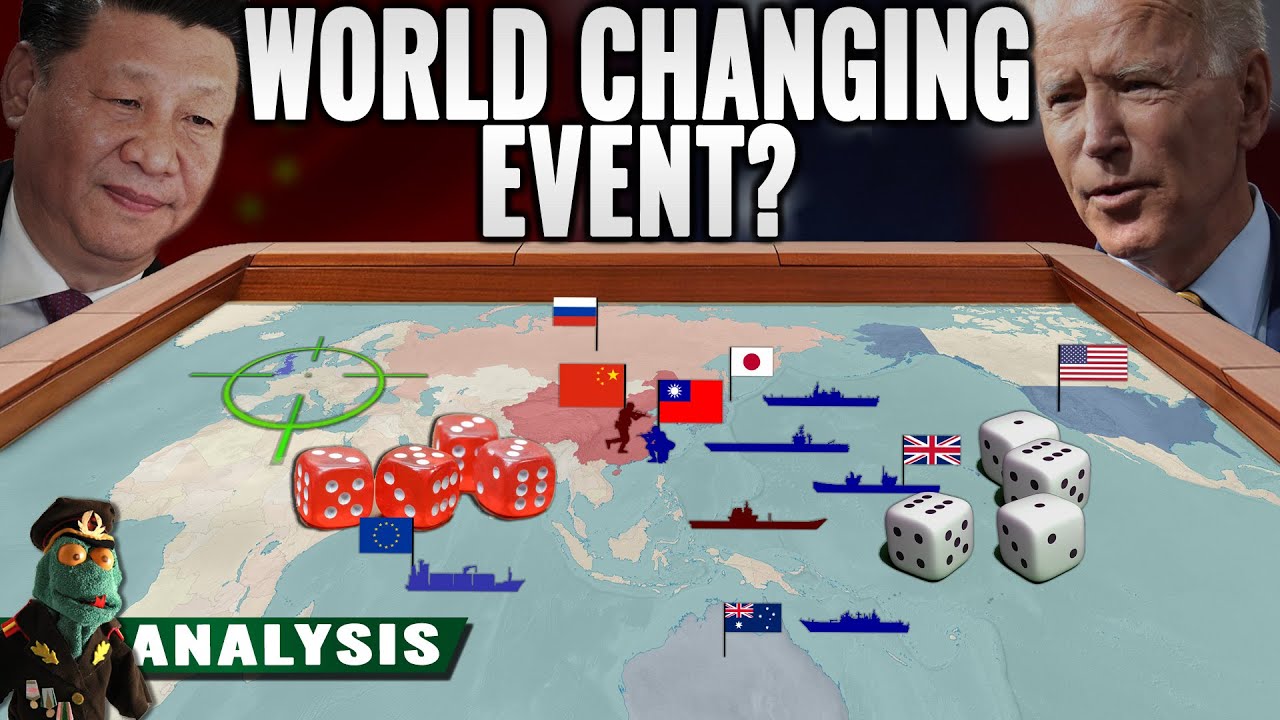
“Reunification” with Taiwan through Force Would Be a Pyrrhic Victory for China.
|
Executive Summary Many commentators and officials speculate about Beijing’s plans to compel “reunification” with Taiwan. Much of the existing commentary focuses on how or when a Chinese attack on Taiwan could occur, but there is little discussion of the nonmilitary consequences of such a scenario for China and the world. This brief explores the implications of a Chinese attack on Taiwan based on reasonable, albeit speculative, assumptions. When considered more holistically, the implications of an attack on Taiwan would be grim for Beijing, even if Chinese forces “successfully” capture the island. China would probably be diplomatically and economically isolated from key advanced economies, and Chinese leader Xi Jinping would have to tread a narrow path to avoid dire consequences for China and the Chinese Communist Party (CCP) as a whole. This analysis helps clarify what could be at stake for the world and reaffirms the importance of deterring Beijing from contemplating such an attack on Taiwan. |
中國與美國的國防部防長會晤表明緊張局勢有所緩解:美國國防部長奧斯汀數月來首次與中國國防部長會面,這是兩國關係解凍的最新跡象。在此之前美國眾議院議長佩洛西訪問台灣後兩國關係出現了裂痕.
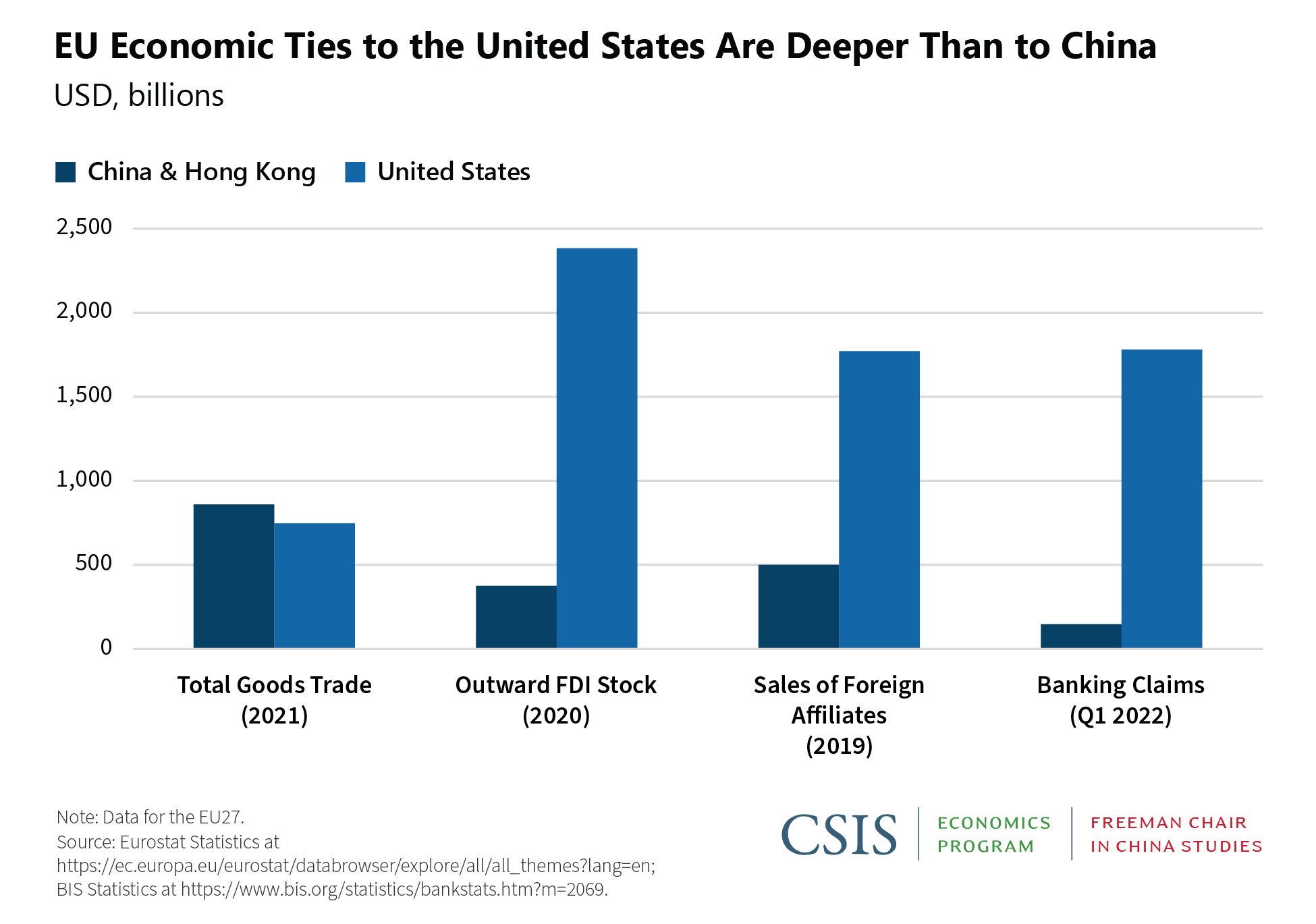
202211/22.美國權威性的智庫CSIS.學者專家GD/JB.趁勢發表最新的中國美國與台灣的3角關係.他們理性的引用各式各樣的數字圖表分析圖,企圖說明它們的言論不是胡說八道.而是有所依據的相較之下,台灣截至筆者發稿為止,沒有任何一位學者專家或是政府官員有所回應>?
台灣人總是默默的接受來自美國帝國主義的壓迫,讓台灣向東行,台灣依據美國大哥的指示動作絕不說NO.譬如說美國要求TSMC.投資設廠美國的事件,就再度證明台灣人的執政黨,事事順從美國的指示,配合辦理,掏空台灣人的外匯,讓辛苦的台灣人將血汗錢孝敬美國人.
 .
.
.
CSIS.的學者專家分析,中國為什麼不會放棄以武力攻打台灣的理由,是公正客觀的理性分析,尤其是發動巨大的戰爭,古今中外大炮一響,黃金萬兩,換句話說就是打仗,除了死亡外,就是燒錢消費性質的支出,真金白銀,弄巧成拙戰勝國也是財政虧損,天下沒有白吃的午餐總是要付出的.這樣一來和平統一似乎又成為中國的首選?
.REAL WAR GAME FOR TAIWAN ASAP ?
 有西方國家學者曾經預估計算,如果中國發動以武力攻打台灣,將至少花費100-300億美元左右的軍事預算,30天的戰爭花費? 尤其是大規模的倆棲登陸戰.以及後續的戰事,
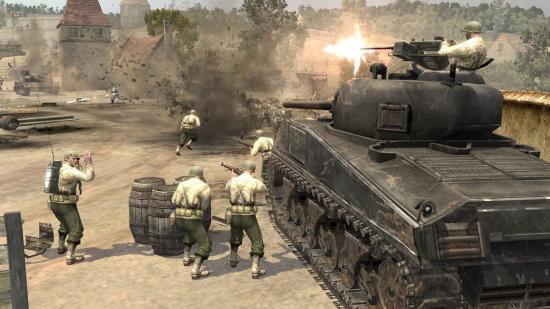
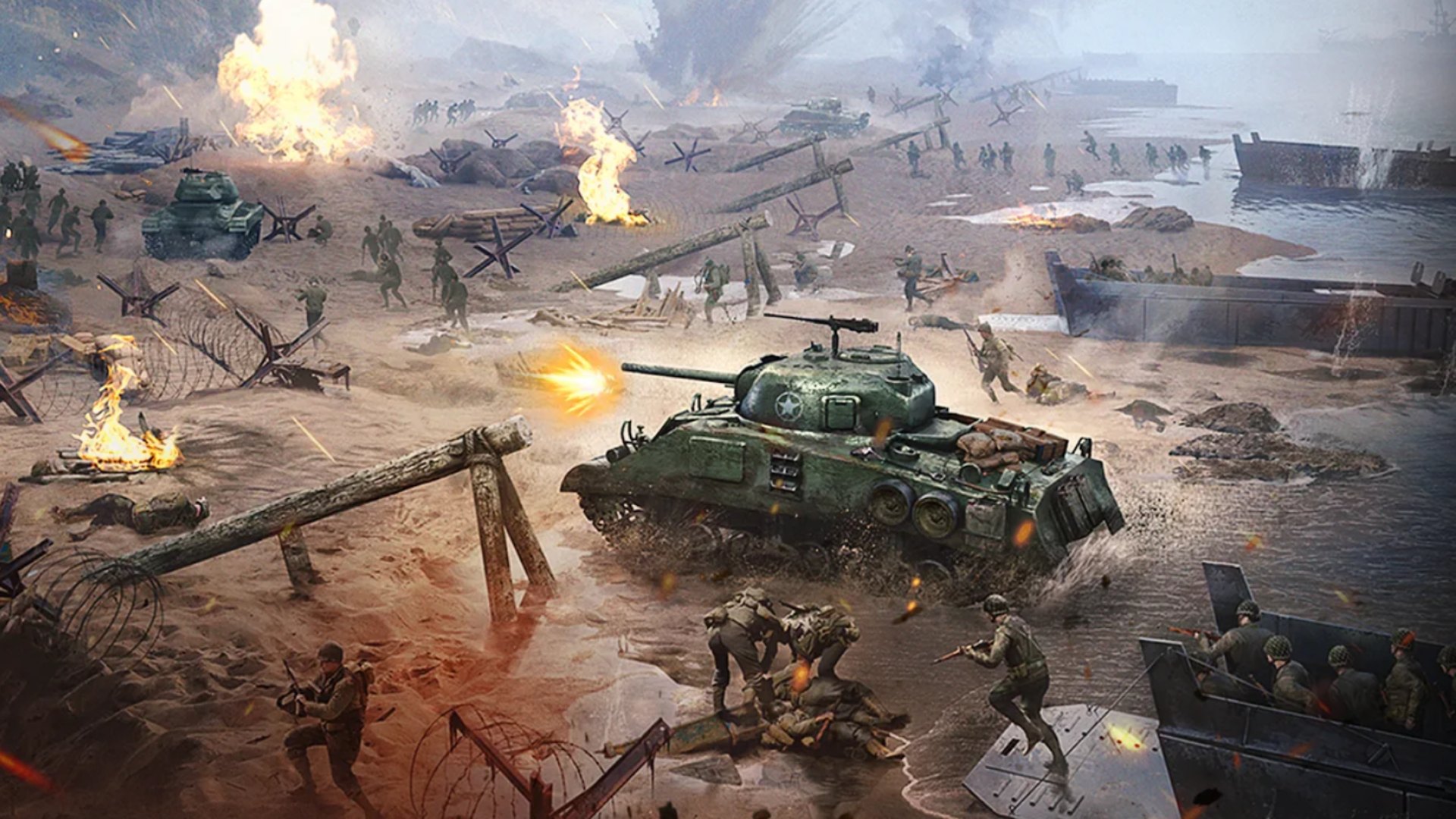
由此看來台灣的阿兵哥喜愛的戰爭遊戲真實版,遲早是要在台灣省上演的?.
美國2次攻打伊拉克又霸佔阿富汗20年其結果造成10兆美元的財政赤字? 美國瘋狂性的印刷鈔票補救也就是說毫無效果,然而以美國及西方國家為首的好戰份子及政客,卻積極的鼓動發生海峽兩岸的戰爭,對於它們而言是有利可圖的,因為銷售軍火武器才是重點,屆時死傷嚴重的是台灣人,美國及西方國家為首的好戰份子及政客,牠們卻是鈔票數倒手抽筋爽喇,賺錢.OK.
歡迎讀者們,理性回覆,批判,謝謝..
.

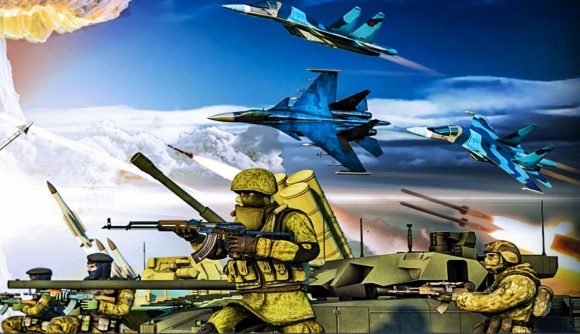
There are several reasons Beijing might undertake a military campaign against Taiwan:
1. Long-standing territorial and national identity aspirations
2. Xi’s own personal ambitions and sense of legacy
3. Addressing a perceived threat to its own security stemming from deepening U.S.-Taiwan defense cooperation
4. Responding to perceived provocations from Taiwan, specifically a formal declaration of de jure and permanent independence from the PRC.
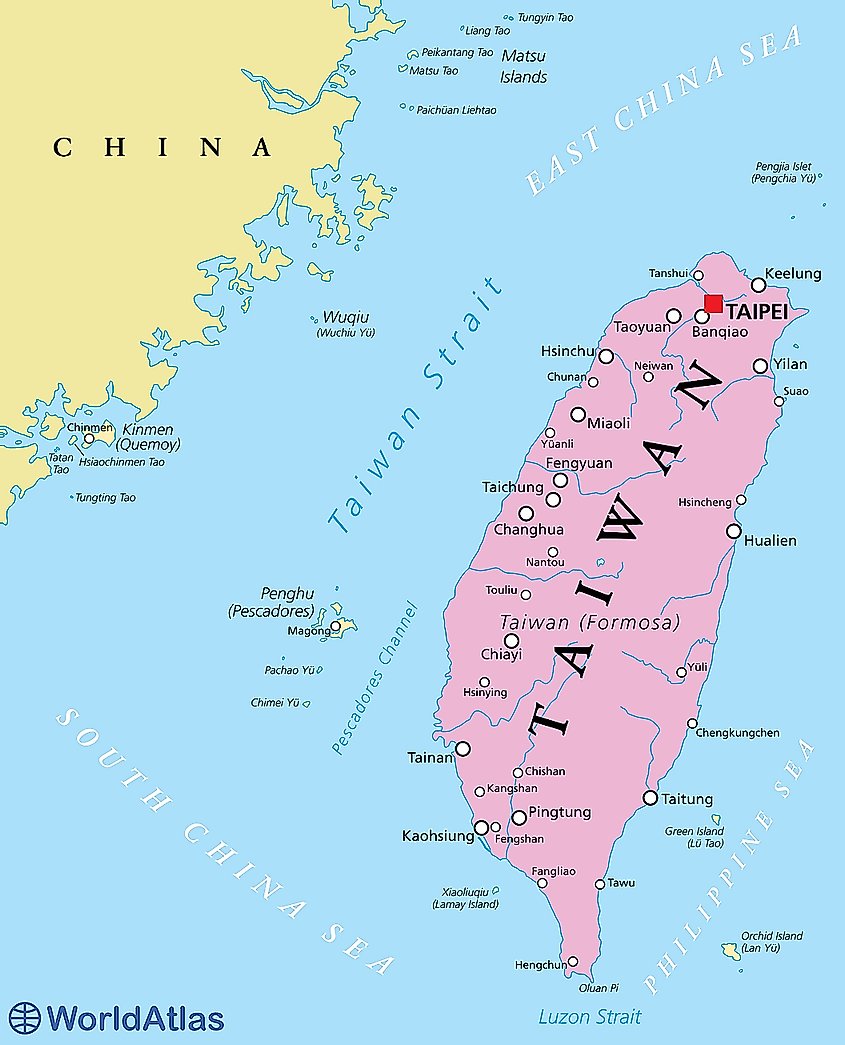 海峽兩岸依然充滿變數,何時爆發戰爭?
西方國家的學者專家均表示不樂觀?
例如202208.中國舉辦軍事演習包圍並封鎖台灣將近7天.
美國口口聲聲的說要派兵替台灣解除危機.結果如何?
美國的航空母艦戰鬥群,CVN/CBG.卻駐守公海(台灣省花蓮縣外海12海浬)觀望,導致於台灣的新聞媒體大肆軒傳並刊登美國海軍的航空母艦戰鬥群,將通過台灣海峽抵抗中國,台灣人依舊活在狼來了的故事情節中.
.
.US NAVY CVN/CBG 76.SO GREAT WILL SAVE TAIWAN?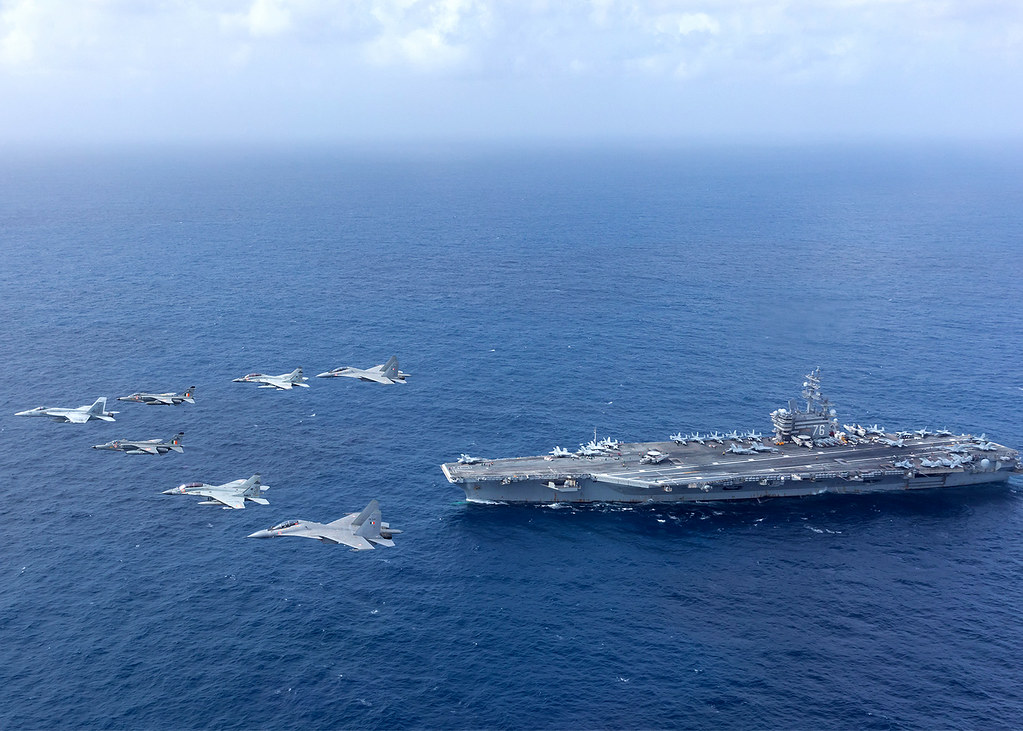
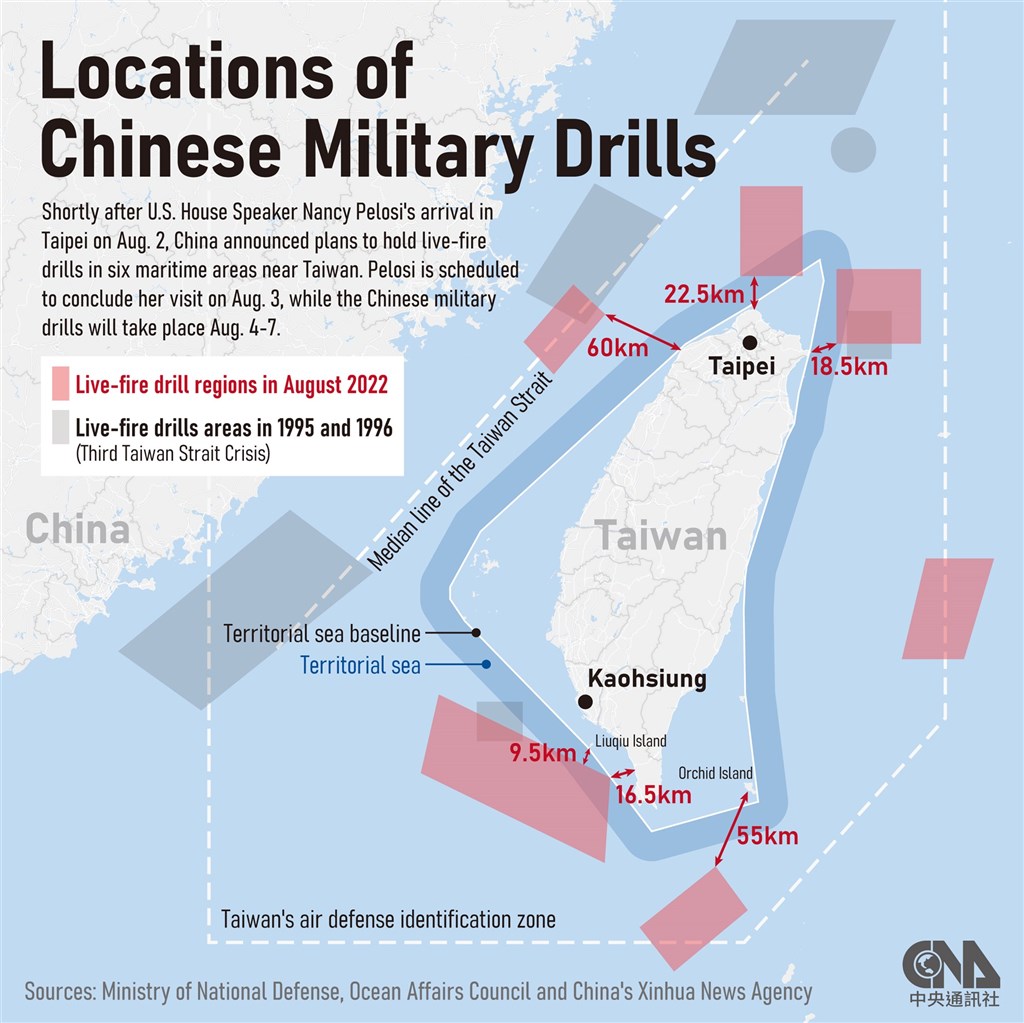 Taiwan strait under control by CHINA not by USA...
.
Specifically, looks at three distinct phases of a possible Chinese attack:
.1. The period leading up to an attack
2. The period between the initial phase of an attack and the end of major conflict
3. The period following a successful PLA invasion.
China would have gained Taiwan but sacrificed its larger ambition of becoming a global and comprehensive superpower. This is the very definition of a Pyrrhic victory:
- Even absent U.S. intervention, any conflict initiated by the PRC would have immediate and dramatically negative effects on China’s ability to import and export goods, on its domestic financial markets, on business sentiment, and on the exchange rate of its currency.
- China’s costs would significantly increase if the U.S. military intervenes meaningfully, even if delayed by several days or even weeks. The blunt geographic truth for China is that conflict in the Taiwan Strait would occur directly off the shore of its most economically important and populated provinces.
- Even supposing Chinese troops could overcome Taiwan’s defenses, they would then occupy an island inhabited by a hostile population with a shattered local economy, including its semiconductor sector, while China itself would face severe economic and diplomatic repercussions..
 .
.Nonetheless, this brief concludes that the implications of a PRC attack on Taiwan would be cataclysmic for China, the United States, and the world. Simply put, any attempt to achieve “reunification” through force is likely to fracture global geopolitics and economies far beyond today’s “partial decoupling” trends and preclude any long-term “national rejuvenation” for China’s economy...
Phase One: Pending Chinese Attack on Taiwan
Beijing’s preparation for an attack on Taiwan would likely alert foreign governments and investors to the impending conflict, but the signals would not be entirely clear.
The United States would warn of China’s military intentions, hoping to rally allies and deter Beijing.Some U.S. allies and partners would join Washington in warning of Beijing’s intentions.
Other governments would be slow to respond..International firms and investors would need to make important early decisions in an environment of extreme uncertainty.Because Beijing’s true intentions, including the scope and scale of a possible attack, would not yet be entirely clear, many firms operating in China, Taiwan, or the broader region would adopt a “wait and see” approach.
.
Phase Two: Period of Conflict:A conflict over Taiwan would devastate the global economy, but the costs would be especially high for China..
The two most important determinants of the war’s intensity and duration—and thus economic impact—would be the degree to which Taiwan resists and whether the United States is engaged militarily. Neither condition is certain, but both are probable..
A 2016 study by the RAND Corporation estimated that a year-long war between the United States and China would reduce China’s GDP by 25–35 percent and U.S. GDP by 5–10 percent.Most maritime trade and air freight within range of the war zone would be disrupted.
Even in the early stages of a conflict, multinational corporations (MNCs) would face significant pressure to begin unwinding operations in China. China would face significant capital-flight pressures and a massive selloff of Chinese assets.
The United States would impose at least some economic sanctions on China in any scenario. But if U.S. forces were engaged, the sanctions would be severe, and Washington would probably coordinate with—or even compel—major allies to join such sanctions.
Major U.S. allies, even if not engaged militarily, would likely support Washington’s efforts to punish China economically.
Taiwan’s economy would be shattered and cut off from most trade, losing the ability to export the majority of the world’s semiconductors and microchips..
Phase Three: The World After:Even if the PLA were successful in seizing and holding Taiwan, Beijing would still face enormous economic, diplomatic, and political challenges.China would occupy a new but significantly damaged and isolated “special administrative region,” which would face a severe economic contraction and be expensive to subdue, police, and rebuild.
Taiwan’s semiconductor industry, including the Taiwan Semiconductor Manufacturing Corp (TSMC), would be severely damaged and unable to resume production of cutting-edge microchips.
China’s economic and diplomatic relations with advanced economies would significantly deteriorate.Annexing Taiwan would likely give Xi Jinping an initial bump in public approval, but the mounting costs of “state-building” would erode overall domestic confidence in the CCP. China’s economy would be on a wartime footing, and its hope of achieving high-income status would be severely diminished.
The purpose of this initial exercise is to sketch out some of the likely responses to a Chinese attack on Taiwan and the associated political, economic, diplomatic, and strategic consequences Beijing would face. The conclusion reached is stark: China would court disaster if it launched an invasion across the Taiwan Strait. Even under optimistic assumptions about the combat performance of the PLA and the relatively muted or constrained military responses by Taiwan and the United States, there is a precariously narrow path Xi Jinping would need to follow to emerge from the gambit unscathed. Once more realistic assumptions begin to be layered in, the picture becomes dire for the CCP and China as a whole. Equally as significant, any Chinese attack on Taiwan would also have an extraordinary impact on the global economy, especially for U.S. partners and allies in the region..
The key strategic challenge for the United States remains to ensure Beijing never actively contemplates an attack on Taiwan. While it is likely Beijing broadly understands the costs associated with such an action, the increasing isolation of Chinese leader Xi Jinping and the concomitant rise in groupthink in Beijing’s policymaking circles means that one cannot assume Chinese leaders will continue to conduct a sound cost-benefit analysis. It thus remains critical to find direct and clear ways to communicate to Xi Jinping the costs he would face for undertaking any attack on Taiwan.
.
.
..


- 中國海軍097 SSN. 攻擊型核潛艦出巡? China navy so great 097-SSN coming ?
- 夏日海濱女郎.01
- 中國海軍於太平洋成功試射JL-3..China has test-fired a missile from a nuclear-powered submarine into the Pacific
- 2026.美國環太平洋軍演針對中國海軍? 2026.RIMPAC FACE TO CHINA NAVY ?
- 夏至.123
- 大戰將至:當強權競逐失控,歷史如何預警下一場世界危機.The Coming Storm: Power, Conflict, and Warnings from History
限會員,要發表迴響,請先登入


