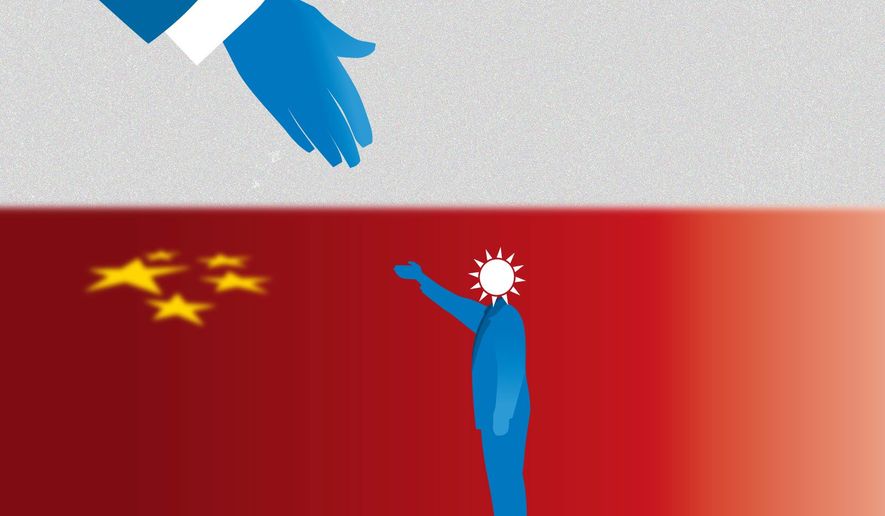
中國,美國,台灣的三角習題再度浮上檯面討論與討價還價.


CSIS.沉寂已久,再度以"台灣議題",惹事生非.

美國始亂終棄台灣
CSIS.通常以國際關係為餌搞亂國際關係
報告提出多項政策建議,包括啟動美台雙邊貿易協定談判、協助台灣融入產業供應鏈多邊對話、聲明確認國際高度關切台海和平、對台灣安全進行高層級跨部會全面審視、發展新工具強化威嚇力、擴大美台國防對話、協助台灣擴大與多邊組織接觸、加強與理念相近國家合作以擴大對台灣參與國際組織的支持等。
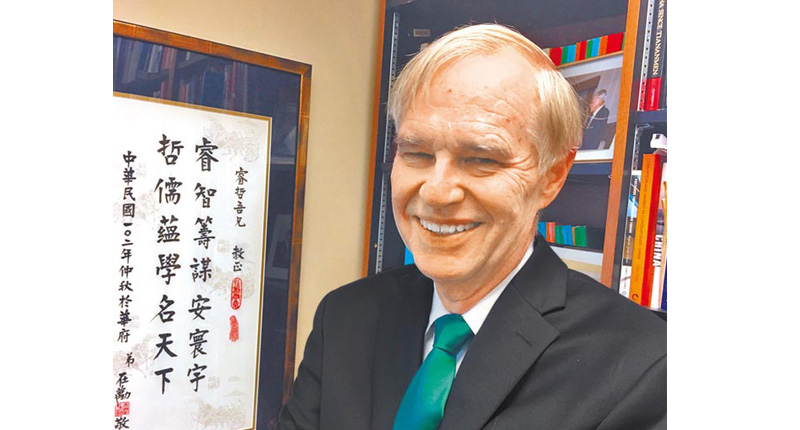
RB.自認為是,"中國通",遊走兩岸3地,搞起販賣情報生意謀利.
華府智庫戰略暨國際研究中心(CSIS)20201022日舉行「邁向更強勁美台關係報告」視訊研討會。在被問及美國重新在台駐軍的可能性時,目前擔任布魯金斯研究所資深研究員的卜睿哲表示,若中國以武力犯台,很重要的一點在於,台灣軍隊必須能夠堅持數週或數個月,才能等到美軍全面抵達。若美軍決定在台駐軍,美國將確保台灣安全,台灣不須再投資國防或提高後備軍力。

前 AIT 主席RB:美軍若重返,北京將承受極大壓力華府智庫戰略暨國際研究中心(CSIS)舉行「邁向更強勁美台關係報告」視訊研討會。在被問及美國重新在台駐軍的可能性時,目前擔任布魯金斯研究所資深研究員的(Richard Bush)表示,很重要的一點在於台灣軍隊必須能夠堅持數週或數個月,才能等到美軍全面抵達。若美軍決定在台駐軍,台灣或許會有任務結束,美國將確保台灣安全, 台灣不須再投資國防或提高後備軍力的想法。
CSIS 亞洲事務資深副會長(Michael Green)則不認為美國重新在台灣駐軍有太多助益。他指出,中國對台灣的威脅主要在灰色地帶,而非直接攻擊。面對灰色地帶的最佳反應不是軍事部署,而是透過經貿、外交等手段以為威嚇 ,讓灰色地帶戰略付出代價。
台灣省AIT.建築物耗費新台幣將近60億.
 .
.
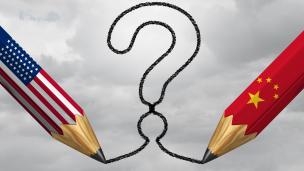
前美國在台協會理事主席卜睿哲(Richard Bush)20201022表示,如果美國重新在台灣駐軍,可能會讓北京感到壓力,要求中止或取消與美外交關係,美國狼又開始玩弄中國,台灣與美國的三角習題.
 .
.
RB.牠是標準的投機份子與政客,牠任職AIT.期間,傳聞大撈一票,
此番故技重施,可能無願以償,弄巧成拙會虧老本.
 .
.
台灣郎的金錢很好詐騙
Richard Bush 是奸詐陰險的美國政客,牠需求500萬美元封口費,遊走兩岸3地,搞起間諜的商業生意,牠想要矇混台灣,美國與中國,得到的是屬於牠個人利益,.美國不會與中斷交,台灣也無資格與美國建交,反而美國會繼續壓迫台灣,購買美國2手淘汰型武器,美國也不會派遣駐軍台灣,僅有少數的軍事顧問,指導台灣的草莓兵,操作使用美國的爛武器而已,頂多漢光軍事演習擴大規模舉辦,美軍打擦邊球,算是給予中國有所交代即可,只有中國決定由武力攻打台灣省,再度光復台灣省完成中國統一大業,所以無論是川普或是拜登當選美國總統,202110.就要親赴中國北京敬覲見中國大皇帝習近平,拜託要求中國大肆購買美國農產品及畜產品罷了,Richard Bush想要由中國,美國,台灣,3方面撈一票,牠可能打錯算盤,這樣一來就賠老本喇.

Online Event: Toward a Stronger U.S.-Taiwan Relationship Report Launch.
Thursday, October 22, 2020 .
Please join CSIS and the China Power Project for the launch of our report, Toward a Stronger U.S.-Taiwan Relationship.
Americans view Taiwan as a robust and vibrant democracy and see its government as a trusted partner to the United States and a responsible stakeholder on global challenges such as Covid-19. Bipartisan support for Taiwan in the U.S. Congress has never been stronger. Yet at the same time, mounting Chinese pressure on Taiwan across political, military, social, and economic domains is reaching dangerous levels. No matter who wins the U.S. presidential election in November 2020, U.S. support for Taiwan is likely to remain strong. However, the direction and nature of that support will have to be framed within the larger context of a new era of strategic competition with China that brings both increased risks and opportunities for Taiwan, the United States, and the Indo-Pacific region as a whole.
With this broader context in mind, CSIS established the task force on U.S. Policy Toward Taiwan in January 2020 to review the efficacy of U.S. policy toward Taiwan in the broader context of an increasingly complex strategic situation and enduring American interests in the Indo-Pacific region. Our primary aim was to prepare recommendations for the coming four years and beyond. The task force includes members who have held senior positions of responsibility on Taiwan policy in previous Democratic and Republic administrations as well as experts on national security, business, technology, law, society, the U.S. Congress, human rights, and Taiwan’s politics and society. The task force convened monthly during January-August 2020 to discuss the full range of U.S. policies toward Taiwan, the overall U.S.-Taiwan relationship, and Taiwans security environment.
During this launch event, the co-chairs will discuss the task forces findings and recommendations, which are intended to provide actionable policy options for future policymakers. Toward a Stronger U.S.-Taiwan Relationship will be available online before the event.
This report was made possible by the generous support of Taiwan’s Ministry of Foreign Affairs and the Taipei Economic and Cultural Representative Office in the United States (TECRO).
Featuring
Richard C. Bush
Nonresident senior fellow in the Center for East Asia Policy Studies (CEAP) at the Brookings Institution.
Toward a Stronger U.S.-Taiwan Relationship.
October 21, 2020
The Center for Strategic and International Studies (CSIS) established a bipartisan CSIS Task Force on U.S. Policy Toward Taiwan in January 2020 to prepare recommendations for the coming four years and beyond. The task force includes members who have held senior positions of responsibility on Taiwan policy in previous Democratic and Republic administrations as well as experts on national security, business, technology, law, society, the U.S. Congress, human rights, and Taiwan’s politics and society. The task force met monthly from January to August 2020 to consider U.S. strategic interests, diplomacy, defense, trade, and other issues and to receive background briefings from the governments of the United States and Taiwan.
This task force report explains why Taiwan matters to the United States, the framework for U.S. policy toward Taiwan, and the trends that affect economic, defense, and diplomatic aspects of U.S. policy toward Taiwan. The report concludes with a set of specific recommendations to upgrade U.S. policy on Taiwan consistent with long-standing U.S. interests in the Indo-Pacific region while also responding to the new and emerging challenges. The members of the task force participated in their individual capacities rather than as representatives of their respective organizations.
This report was made possible by the generous support of Taiwan’s Ministry of Foreign Affairs and the Taipei Economic and Cultural Representative Office in the United States (TECRO).


