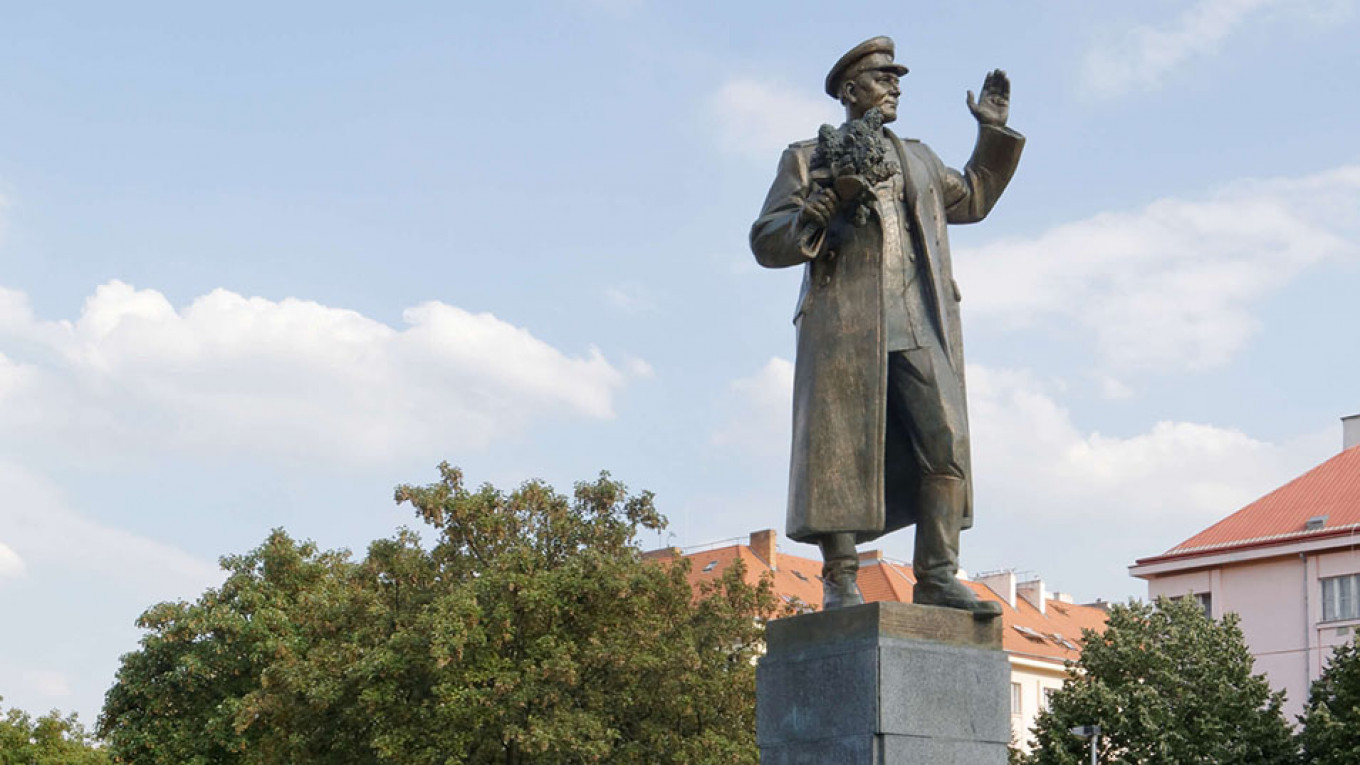


伊萬·斯捷潘諾維奇·科涅夫(:Иван Степанович Конев,Ivan Stepanovich Konev,1897年12月28日-1973年5月21日)是蘇聯紅軍一名指揮員,最高軍銜為「蘇聯元帥」,於第二次世界大戰參加多場重大戰役,包括攻佔納粹德國首都的柏林戰役。戰後,科涅夫擔任華沙公約組織總司令,並於任內指揮部隊鎮壓了「1956年匈牙利革命」。
1968年,捷克斯洛伐克發生要求民主改革的布拉格之春,但最後在蘇聯及華約成員包括波蘭人民共和國、匈牙利人民共和國及東德的軍事鎮壓下失敗。直至1989年11月東歐民主化,捷克斯洛伐克最終透過天鵝絨革命實現民主改革,開始實行多政黨民主議會制。
1945-2020.第二次世界大戰結束後75週年捷克,決定拆除Ivan Stepanovich Konev,
位於首都布拉格的雕像,做為徹底解放捷克首都布拉格的象徵?
革命事件經過52年之後,捷克首都終於贏得遲到的正義與公理,但是"民主"的體制尚未在捷克政壇穩健發展,捷克政黨,依然是騎牆派與歐盟,美國,俄羅斯交好取得利益.
西方戰略觀察家分析認為,捷克在1968年爆發布拉格之春革命,
捷克人民要求民主,並要求蘇聯自捷克撤軍,但是結果卻招來.Иван Степанович Конев.調派坦克車與軍隊進駐強力鎮壓.
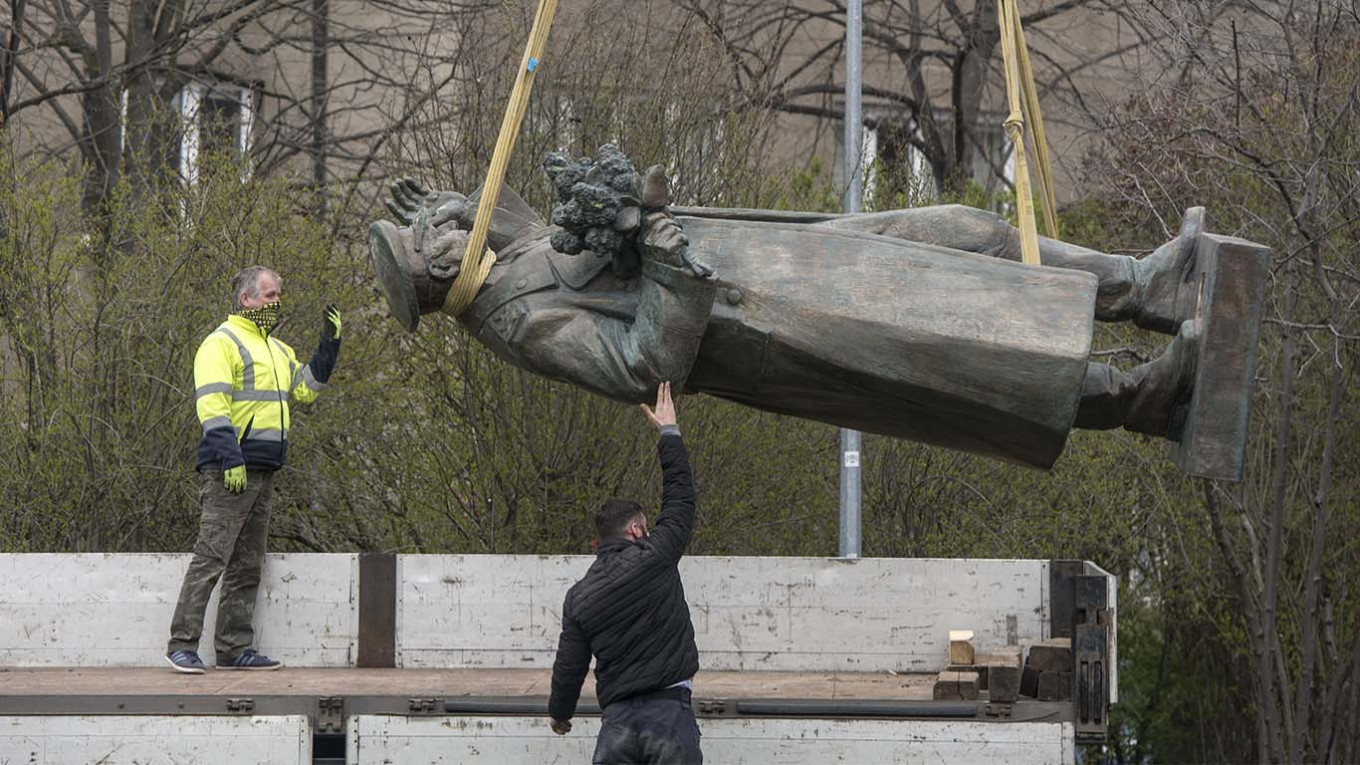


Prague removes statue of USSR.Soviet. General Konev.20200430.
A Soviet generals statue in Prague was removed by a local council, prompting protest from Moscow. Ivan Konev led the liberation of the Czech capital in 1945, but many Czechs criticize his crackdowns after World War II.
經過兩次世界大戰之後,布拉格已經基本上成為單一捷克民族的城市。在冷戰時期,布拉格又發生過數次震動世界的事件:1948年共產黨奪權、1968年的布拉格之春和1989年的天鵝絨革命.
1993年1月1日,捷克與斯洛伐克解體成為兩個獨立國家,獨立後沿用10月28日作為國慶日。同年1月19日,成為聯合國成員國。
捷克1999年加入北約,2004年5月1日加入歐盟成為正式會員國,在2007年12月21日成為申根公約會員國。
由於捷克經濟不佳,許多企業被德國,法國及中國收購,只是保留公司行號工廠原名,因此歐盟中央銀行評估捷克經濟情況不佳,所以至今扔未許可其使用歐元為通貨,依舊使用原來的捷克克朗CZK.匯兌歐元及美元.但是民眾消費者及外籍觀光客喜愛使用歐元及美元消費,購物,讀者們到捷克首都布拉格觀光,旅遊,購物,消費就知道捷克的貨幣很少流通使用.
近年來中國強勢崛起,中國拓展一帶一路基礎投資開發建設,捷克逮到機會,大肆投靠中國,取得經濟援助,原華沙公約的中歐,南歐與東歐的共產主義國家,雖然蘇聯解體,變成民主自由的國家,但是經濟並未轉好,轉強,自身的通貨貶值,經濟狀況依舊毫無起色,這樣一來給予中國絕佳攻城掠地的機會,自從21世紀開始,中國進軍原華沙公約的中歐,南歐與東歐的國家總計16國之多,他們政府雖然是政黨政治,但是經濟卻一面倒向中國,尋求援助,中國自然有所回報,否則中歐第一條高速鐵公新建工程如何推動,又驚又喜,中國大肆援助賽爾維亞(原南斯拉夫), 傳聞獨立不久的黑山共和國,更為積極的配合中國,將通往賽爾維亞山區道路及隧道工程等,委託中國新建,取得融資,這樣一來巴爾幹半島就可以被中國完全掌握.
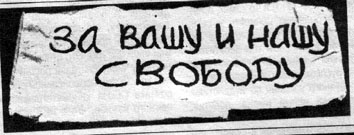

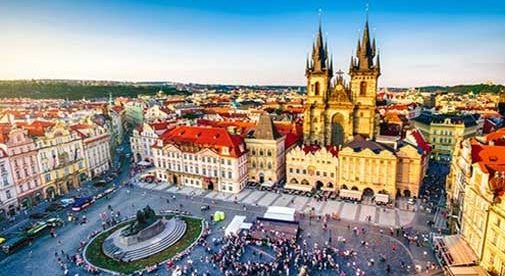
布拉格的世政廣場1968年布拉格之春革命,這裡充滿蘇聯的坦克車及軍隊與捷克人民,對抗查理大橋當時被封閉,並且傳聞要用炸藥爆破,以阻止蘇聯軍隊及坦克車進入布拉格.
In 1968, Warsaw Pact troops suppressed the Prague Spring
In 1968, Soviet troops marched into Czechoslovakia, ending the brief, exuberant Prague Spring. The legacy of the invasion is evident in the modern-day Czech Republic — one need look no further than the prime minister.

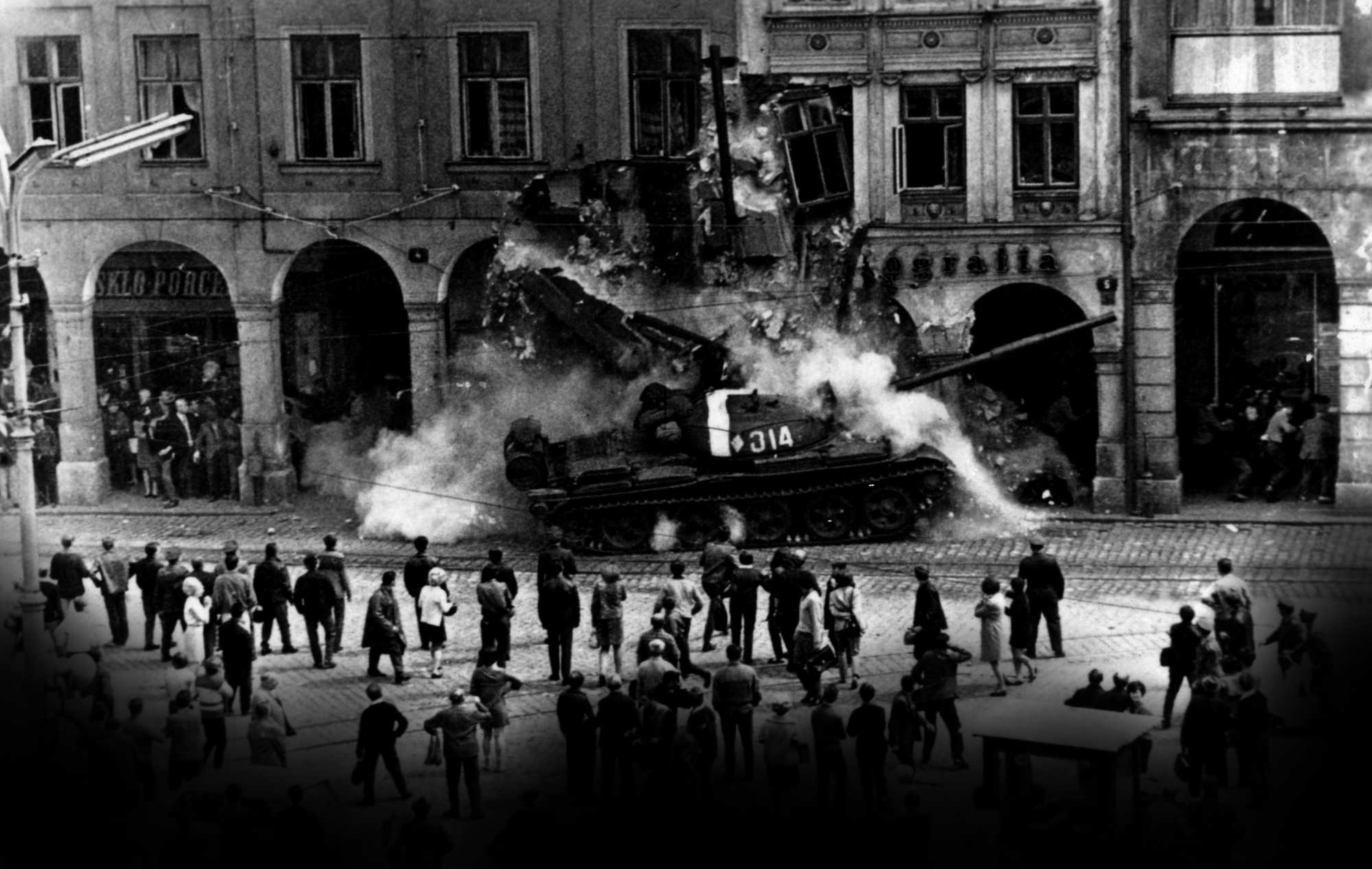

布拉格之春(Pražské jaro;斯洛伐克語:Pražská jar;俄語:пражская весна)是1968年1月5日開始的捷克斯洛伐克國內的一場政治民主化運動。這場運動直到該年8月21日蘇聯與其他華約成員國武裝入侵捷克才得以告終。 事件發生後,西方國家中只有少數批評,因為在冷戰時期,由於核對峙的存在,西方國家無法挑戰蘇聯在中歐地區的霸主地位。這次軍事入侵導致了約有10萬人左右的難民潮,其中包括了許多精英知識分子。這次事件也改變了在許多西方國家左翼分子對列寧主義的左翼人士的同情態度。
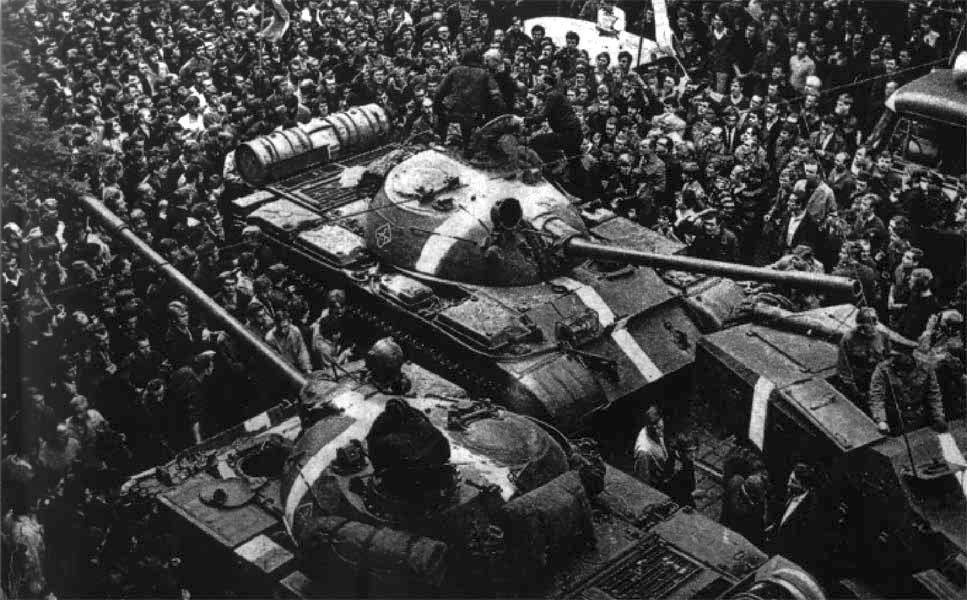
Crowd of protesters surrounding Soviet tanks during the first days of the invasion.
The Prague Spring (Czech: Pražské jaro, Slovak: Pražská jar) was a period of political liberalization and mass protest in Czechoslovakia as a Communist state after World War II. It began on 5 January 1968, when reformist Alexander Dubček was elected First Secretary of the Communist Party of Czechoslovakia (KSČ), and continued until 21 August 1968, when the Soviet Union and other Warsaw Pact members invaded the country to suppress the reforms.
The Prague Spring reforms were a strong attempt by Dubček to grant additional rights to the citizens of Czechoslovakia in an act of partial decentralization of the economy and democratization. The freedoms granted included a loosening of restrictions on the media, speech and travel. After national discussion of dividing the country into a federation of three republics, Bohemia, Moravia-Silesia and Slovakia, Dubček oversaw the decision to split into two, the Czech Socialist Republic and Slovak Socialist Republic.[1] This dual federation was the only formal change that survived the invasion.
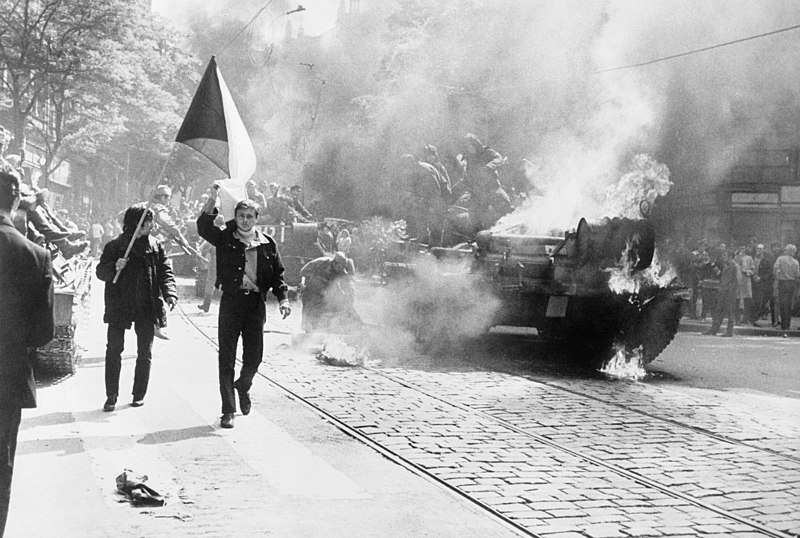
The number of occupying troops would total more than 500,000, and the invasion would put an end to the dream of a European socialism based on freedom — above all freedom of expression. When he took office as the first secretary of the Communist Party of Czechoslovakia at the beginning of 1968, Alexander Dubcek began allowing journalists to ignore the official censorship orders. He supported free and democratic socialism in the hope that Soviet leaders in Moscow would allow the Czechoslovak Socialist Republic (CSSR) to forge its own way in the Kremlin-dominated Eastern bloc. But, ultimately, there was a greater fear that more freedom in the CSSR could lead to upheaval in neighboring Soviet-aligned countries.
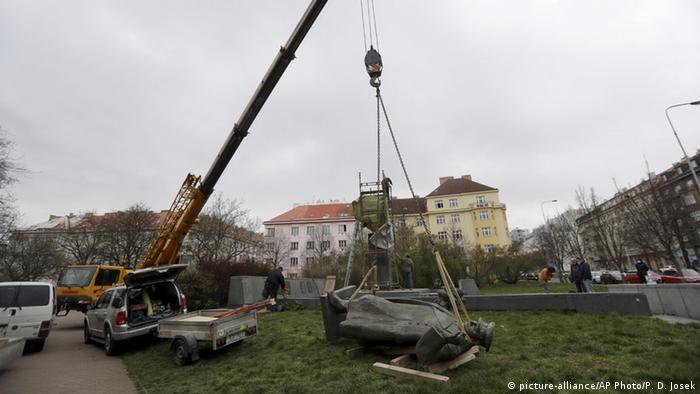
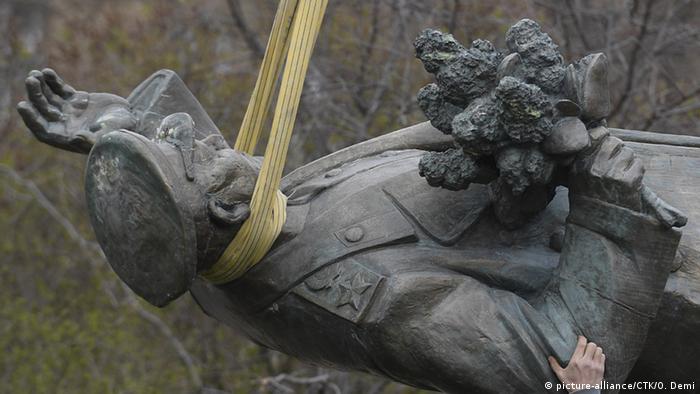
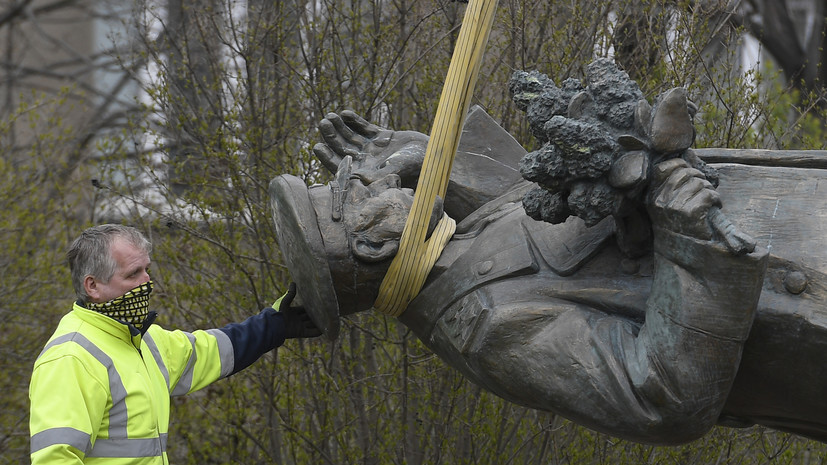
Controversial Soviet-Era Statue Removed in Prague.
Prague authorities on Friday said they had removed a controversial Soviet-era statue, despite protests from Moscow, to make way for a World War II memorial.
Plans to remove the bronze statue of Soviet general Ivan Konev triggered a sharp reaction from Moscow last year.
Prague Will Remove Statue of Soviet Marshal Who Led Red Army Forces.
A district assembly in Prague voted on Thursday to remove a statue of a Soviet World War Two marshal and replace it with a more general memorial following a row that has drawn in the Czech president and Russian authorities.
The statue of Marshal Ivan Konev, who led the Red Army forces that liberated most of Czechoslovakia and entered Prague on May 9, 1945, was erected in 1980.
It has been the subject of controversy since the 1989 fall of communism because of Konevs later endeavors, which included a leading role in crushing the 1956 Hungarian uprising as well as building the Berlin Wall in 1961.
Иван Степанович Конев當德軍在1941年6月進攻蘇聯時,率領北高加索軍區改編的第19集團軍經過千里輸送剛下火車準備駐防維捷布斯克,在行軍間未及集結就與突入的德軍裝甲第3集群遭遇展開惡戰。科涅夫較好地掌握了部隊,有效抗擊了德軍裝甲兵的突擊,突出重圍,隨後率部參加了斯摩稜斯克戰役。因此在1941年9月11日接替鐵木辛哥為西方面軍司令員,擔負防守莫斯科方向的重任,9月12日晉升為上將。
1944年5月接任烏克蘭第1方面軍司令員,擁有兵力達120萬人、2,050輛坦克和自走炮、3,250架飛機,粉碎了擁有900,000兵力、900輛坦克、700架飛機的德國「北烏克蘭」集團軍群並解放了西烏克蘭。1944年7月14日發動了利維夫-桑多梅日攻勢攻入波蘭,不久又攻入斯洛伐克。7月領軍橫越波蘭中部維斯杜拉河並榮獲蘇聯人民英雄勳章表揚,同一年他的集團軍群駐守紅軍第4烏克蘭前線 向斯洛伐尼亞進軍,並鼓勵當地共產黨游擊隊推翻納粹統治.
1945年4月科涅夫的烏克蘭第1方面軍擁有110萬人、3,244輛坦克和自走炮、2,582架飛機、16,000門火炮和迫擊炮,與他軍中競爭者朱可夫元帥所率領蘇軍第1白俄羅斯戰線集團軍群,都橫渡奧得河一起攻向德國首都柏林,科涅夫軍團先攻佔柏林,但是史達林給朱可夫軍團優先佔領「德國國會大樓」機會並在此升起蘇聯國旗。科涅夫軍團奉令至德國西南部作戰,在那托爾高他代表蘇軍第1次與美軍會師,也解放收復布拉格,不久後德軍正式投降。
1969年蘇聯國防部為科涅夫出版一本285頁的戰爭回憶錄,俄語名為「45」,意指其從軍的45年,同年還出版了英語版,由莫斯科「前進出版社」發行;在回憶錄中提到他攻打柏林、布拉格,與朱可夫元帥、史達林的交往,在戰場上認識美軍上將布萊德雷與雅沙·海飛茲,英語版書名改為"I. Konev - YEAR OF VICTORY.";同時也印發西班牙語版 "El Año 45."。


- 日本2026年版《外交藍皮書》澈底顯露出帝國主義及軍國主義.Japan’s 2026 Diplomatic Bluebook
- 日本軍國主義復活 熊本佈署射程1000公里飛彈針對中國:Japanese militarism is reviving; Kumamoto Prefecture deploys missiles with a range of 1000 kilometers to detect Chinese targets.
- 俄羅斯參戰協助伊朗 2艘 SSBN. 戰略核潛艦 奔向赫摩斯海峽抵抗美國
- 伊朗牛逼 首次發射4000公里彈道飛彈 攻擊印度洋狄耶戈加西亞英美基地 Iran denies responsibility for missile attacks on Diego Garcia.
- 歐洲 多腦河春天降臨.
- 頂級 名貴手錶.123


