恭賀匈牙利與中國建交70週年,匈牙利將高鐵、5G託付中國,
匈牙利與賽爾維亞成為中歐與東歐首位擁有高速鐵路路及5G.電信的國家,因為匈牙利人:相信中國的高速鐵路及華為的5G.電信.


中國經過多年努力以赴,終於競標成功,擊敗日本,法國,德國,意大利,西班牙,英國的高速鐵路競標團隊,獲得東歐地區首條高速鐵路,設計,施工,營運,管理,維修的綜合高速公路興建工程合約,由於中國技術指標領先及工程造價合理,最重要願意技術移中轉及培訓匈牙利及賽爾維亞這2國的工程師與技術人員,這樣一來,徹底擊敗法國,德國,意大利,西班牙的高速鐵路競標團隊,由於中國的高速鐵路以黑馬姿態出現,猛龍過江贏得標案,引起歐盟鐵路專家在鐵路科技專門期刊發表專文特別報導:難道歐洲的高速鐵路要以中國為範例?
言下之意至是在質疑中國的高速鐵路的技術? 其實他們是分析中國的高速鐵路的特徵為什麼能夠進軍國際鐵路市場,特別是在歐洲地區,因為法國,德國,意大利,西班牙及英國,都是老牌的鐵路大國,近年來中國高速鐵都路異軍突起,於設計,技術,施工方法,機械設歐備,材料,甚至於整組列車的製造,維修保養,都是系統化的整體作業,以中國人的說話就是一條龍的服務,相較於歐洲在20世紀1950-2000年時期鐵路工業,是他們的生產重點事業,創造出無數的就業機會與財富,並且在世界各國都有業務發展,進入21世紀由於現在的歐盟地區年輕人,工作職業的選擇較多元化,傾向於高科技與服務業,當然堅苦的鐵路工程職業,就相對的減少,幾乎沒有新生力軍的投入,再加上歐盟地區的鐵路業者,減少投資,開創新的鐵路設備等於項目,所以鐵路工業就相對的沒落喇,尤其以西班牙,意大利,英國最為嚴重,年輕人甚少投入鐵路工業.
 .
.
根據資訊透露出,匈牙利的高速鐵路將與臨國賽爾維亞的高速鐵路連接,而且賽爾維亞當局在2019年底國會將通過特別預算,將該國的高速鐵路工程交由中國興建.如此一來匈牙利與賽爾維亞2國,在高速鐵路興建期間,將增加15000名左右的工作機會,至於鐵路竣工後,將帶動2國的觀光,旅遊,貿易,運輸等行業的就業機會,更提升2國的經濟成長,加速與歐盟聯合,促進貿易金融及觀光旅遊的發展,並且使得歐盟中央銀行可以評估這2國的其他融資專案,由來已久匈牙利與賽爾維亞都不符合歐盟規定,在2025年之後,因為塞匈高速鐵路竣工,營運通車後,情況將迅速改善屆時, 匈牙利與賽爾維亞2國,會擁入更多歐盟各國的遊客,觀光消費購物,如果讀者們曾經到過匈牙利與賽爾維亞2國,就知道他們民風純樸,物美價廉,物價指數與通貨膨脹指數,皆在合理範圍內.


近年來中國製造水平發展很快,並且正積極推向全球市場,而歐洲市場是我們的推廣重點,而像匈牙利這樣的中歐國家,恰恰處於中國與歐洲交流紐帶上,對於中國很重要。
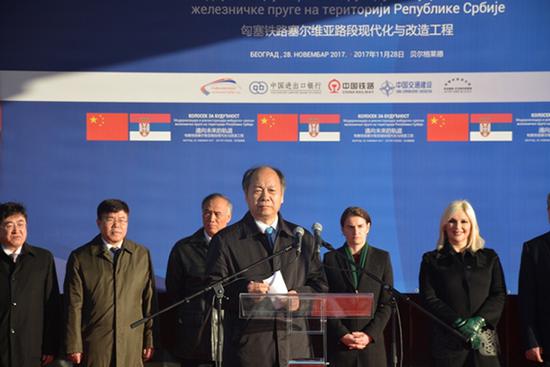
匈塞鐵路,是一條由匈牙利和塞爾維亞合資建造的鐵路,全長約350公里,連接兩國首都布達佩斯(Budapest)與貝爾格勒(Belgrade),其中匈牙利境內166公里,塞爾維亞境內184公里,而此高鐵設計的最高時速為200公里。
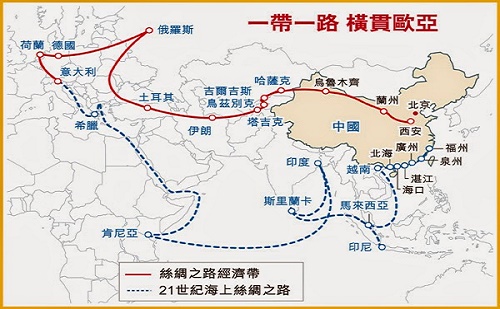
匈塞鐵路對中國而言,將可幫助延伸「一帶一路」至歐洲心臟地帶。


2014年的時候,中國、匈牙利與塞爾維亞共同簽署了一份從布達佩斯至貝爾格勒的高鐵協議,將由中國幫助這兩國修建一條全長350千米的高鐵,而這條高鐵的建成後,兩地原本8小時的路程也將縮短至2.5小時,為了更好管理匈塞鐵路,中國還專門打造匈塞鐵路ETCS-2(歐洲列車運行控制系統)系統實驗室,將高鐵技術也引進了歐洲。
我們知道,近年來,高鐵正在成為中國的一張國家名片,而匈塞鐵路也是中國為歐洲修建的第一條高鐵鐵路,為中國高鐵推廣到全球打下了堅實的基礎。值得一提的是,在上世紀60年代,中國的鐵路技術還很落後,當時焊軌的核心設備就是仿製匈牙利的,而如今中國的高鐵實驗室建成,實現了鐵路技術的逆襲。根據國際高速鐵路聯盟規定,中國的高速鐵路系統,必須符合歐盟相關高速鐵路路工程規範與法令,由中國還專門設計匈塞高速鐵路ETCS-2(歐洲列車運行控制系統),如今系統已經實驗成功,通過歐盟嚴格的法令規範,並且確定日後匈塞高速鐵路可與其他歐洲國家鐵路接軌營運,由此可知中國高速鐵路的品質管制,已經達到世界級的水準,下一檔工程就是2020年俄羅斯共和國的莫斯科到喀山的高速鐵路,準備正式簽約開工興建.不僅僅是在高鐵的建設上匈牙利支持了中國,在另一項引人注目的技術上同樣如此。在20191105日,匈牙利的有關人士表示,中國華為的5G設備沒有任何問題,匈牙利將會讓華為參與本國的5G部署。
The objective of this Technical Assistance (TA) activity is to support China Railway Corporation (CRC) in developing a standard, operational approach to identifying and quantifying regional economic impacts of China’s High Speed Rail (HSR) projects. The HSR in this report includes not only the dedicated passenger line projects with a design speed of 300 km per hour or above, but also mixed traffic projects with a maximum design speed of 300 km per hour. China’s HSR network is the largest and fastest expanding in the world.
This TA includes the identification of relevant indicators, the definition of a potential methodology to assess such impacts in consultation with CRC, and the provision of support to CRC and its consultants in applying such methodology to two specific case studies. The approach has been designed in such a way as to allow its practical use by design institutes and other professionals as part of feasibility studies.
The quantification of regional economic impacts is particularly relevant at this stage of China’s HSR network development. Projects with a prima facie justification have largely been launched or completed. The remainder of the planned routes, in particular in the under-developed central and western regions, requires careful assessment and planning to ensure that they meet China’s economic, social, and environmental policy objectives.
High-speed rail: Should the world be following China’s example?
Responsible for more miles of high-speed rail track than the rest of the world put together, China’s HSR model is understandably the object of envy for most countries. But with mounting debt and several projects having been put on hold, has the nation’s pursuit of speed come at a price?
It represents a seminal moment in the country’s modern history. The 1,100km service marked China’s first foray into the world of high-speed rail; it has not looked back since.
While other countries have struggled to make HSR a reality, state-owned China Railway Corp (CRC) has busied itself in laying down over 25,000km of high-speed track over the last decade – accounting for roughly two-thirds of the world’s total length of HSR lines.
The report, titled “China’s High-Speed Rail Development”, also points to China’s success in making HSR competitive with road and air transport for distances up to around 1,200km. In doing so, train fares remain competitive with bus and air fares, enabling the network to attract 1.7 billion passengers a year from a broad cross-section of society and income groups.
What’s more, says the report, China has managed to build its high-speed network at an average cost of $17m-$21m per km – about two-thirds of the cost found in other countries. This cost-effectiveness is attributed to the standardisation of designs and procedures.
No nation comes close to rivalling China’s HSR construction story. According to a recent report published by The World Bank – which, itself, has financed around 2,600km of Chinese track – other countries would do well to follow Beijing’s example.
“China has built the largest high-speed rail network in the world,” said Martin Raiser, the World Bank’s country director for China.


