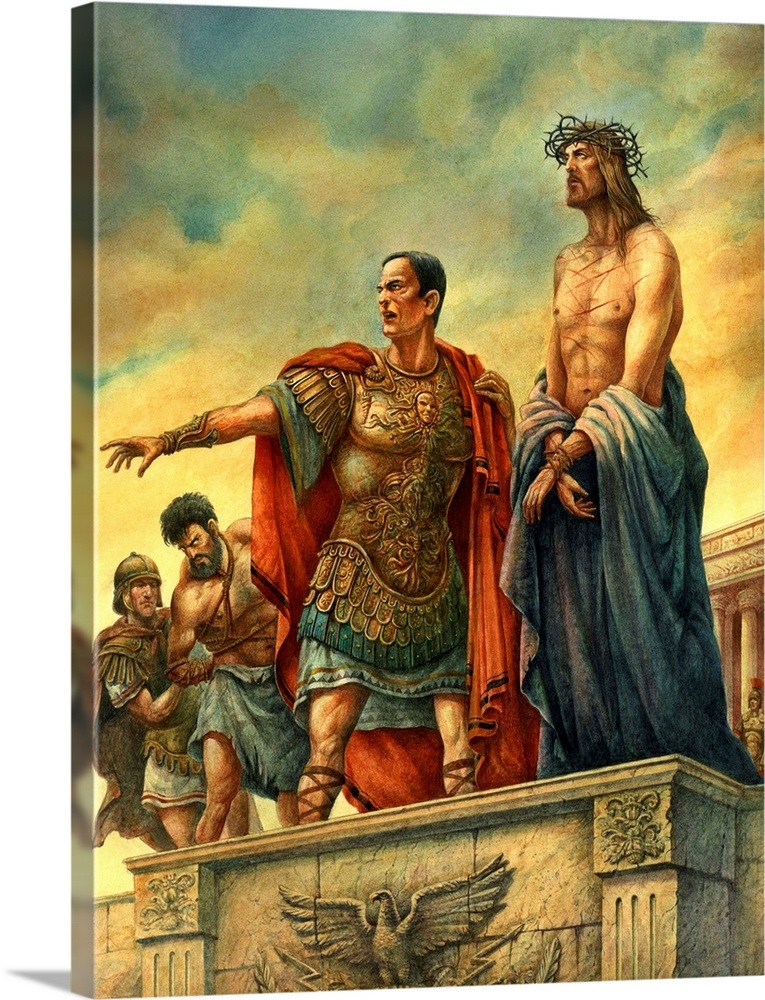
他最出名的事蹟是判處耶穌釘十字架。由於總督的職責,他是羅馬皇帝在猶太地的最高代表。
彼拉多對猶太文化完全不了解,常常以武力用事,不尊重猶太人的傳統,幾乎造成了猶太人大規模的叛亂
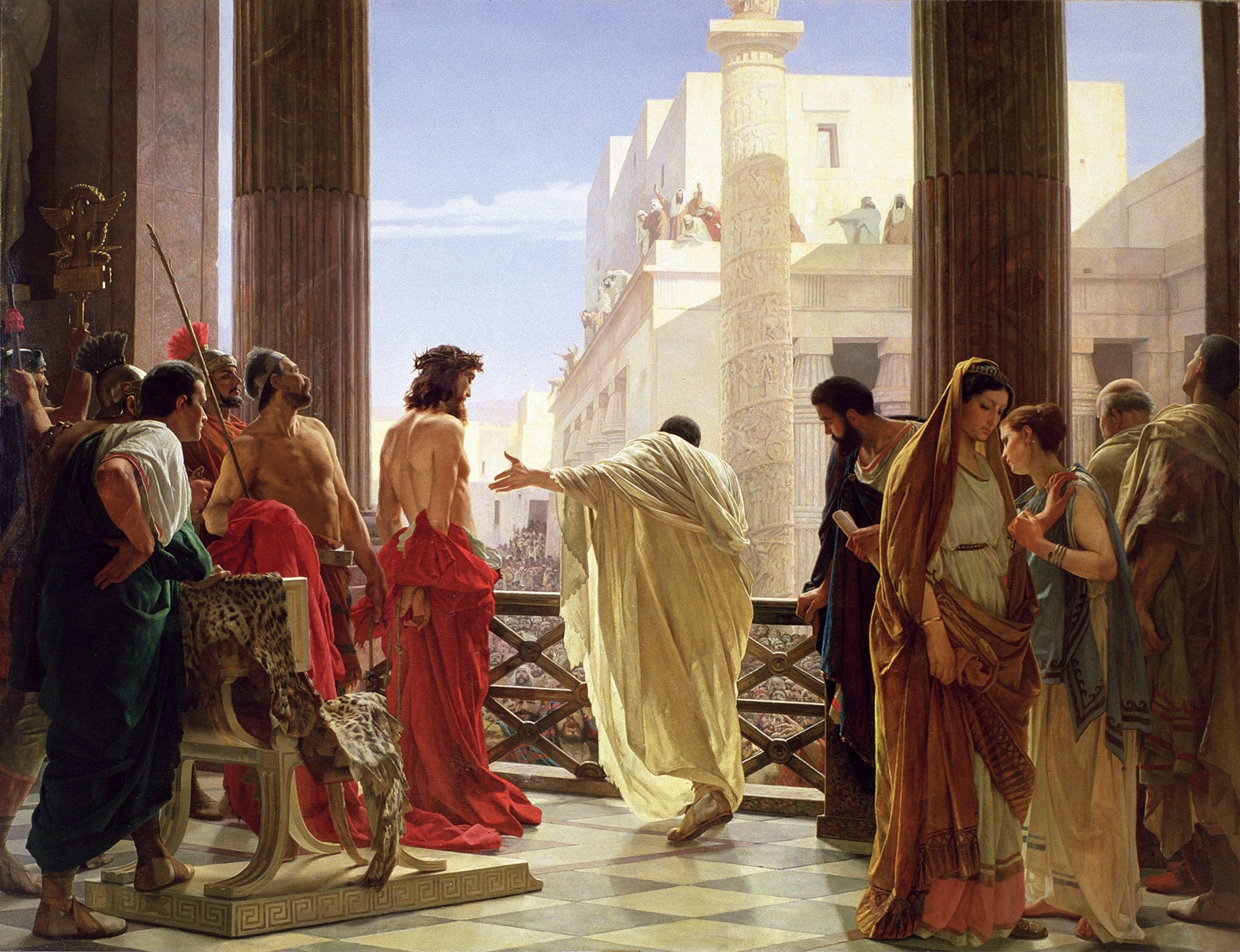
在聖經四卷福音書中,彼拉多迴避處死耶穌的責任。在《馬太福音》中,彼拉多洗手以示不負處死耶穌的責任,且不情願地送他上刑架?。

總督或檢察長的主要權責與軍事有關,當然他們在當地為皇帝徵稅,並擁有一些審判權.

在史學家裴洛記載的文獻-《猶大利亞的羅馬執政官》中,彼拉多是一個非常剛毅的人,不屈於羅馬帝國統治者的指派。然而,裴洛強調說:「他性情急躁,常常不經審理就處死肇事者。」其他的形容,則稱彼拉多唯利是圖,有暴力政治傾向,曾經竊取經費和無間斷地處死反抗者。
Why Did Pontius Pilate Have Jesus Executed?
In the Gospel of John, Pontius Pilate poses a question to Jesus of Nazareth: “What is truth?”
It’s a question that could also be asked about Pilate’s own history. From the perspective of the New Testament of the Christian Bible, the Roman governor of Judea was a wavering judge who initially exonerated Jesus before bending to the will of the crowd and condemning him to death. By contrast, non-Biblical sources portray him as a barbarous
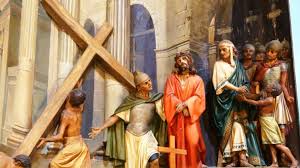
傳聞中耶穌被判釘十字架酷後遊街示眾刑經過的耶路撒冷舊王城的檯階步道?
leader who willfully defied the traditions of the Jewish people he oversaw. Which was the truth?

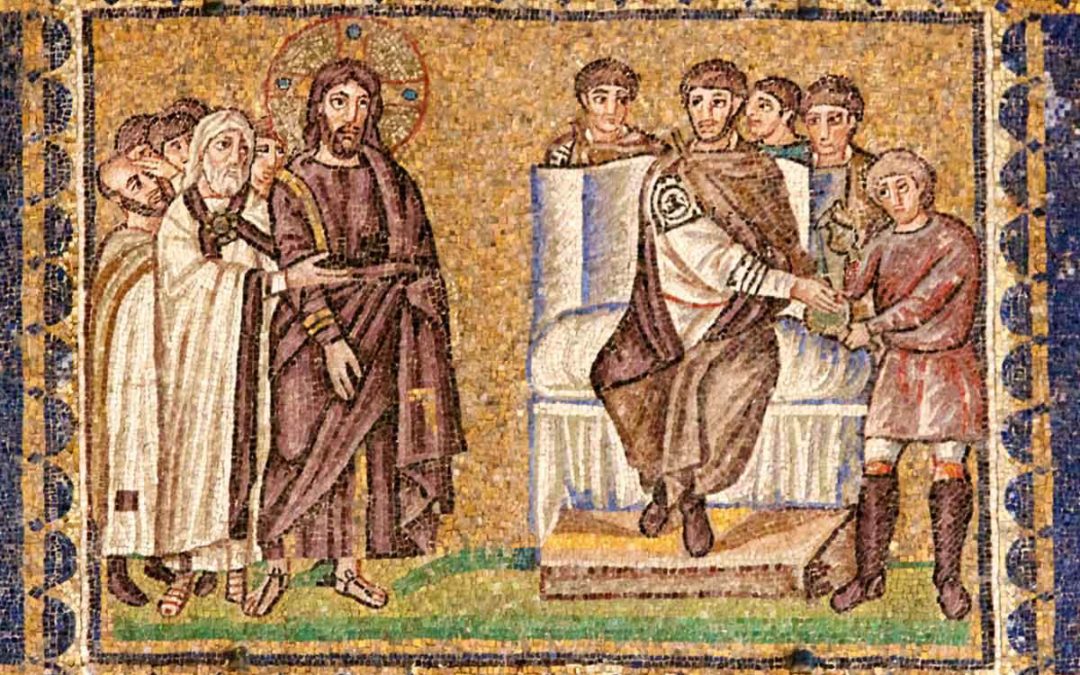
彼拉多金盆洗手,表示他已雙手沾染謀殺耶穌的鮮血,以免日後遭到報應,事實上根據記載彼拉多得到不治之症,且傳出羅馬政變,比拉多失勢後,被判充軍,終於自殺身亡。
根據新約聖經所述,彼拉多是個優柔寡斷的羅馬籍總督,曾多度審問耶穌,原本不認為耶穌犯了什麼罪,卻在仇視耶穌的猶太宗教領袖的壓力下,為免引起暴動,遂決定釋放強盜巴拉巴,反而依照羅馬刑罰判處無罪的耶穌死刑,將耶穌釘死在十字架上,隨後以洗手表明自己在耶穌被釘的這件事上是無關涉的?
If we are keeping with the theme that Pilate was transported into today’s crazy media society in the same time period of 26 AD to 36 AD. I would imagine that Pilate would have had a high-priced literary agent to help promote his version of events surrounding the crucifying of Jesus. Do we dare say that his book title would be;“What Happened”, “The Real Reason Behind the Crucification of Jesus Christ”?

比拉多的話錯誤決定是他將主耶穌不公不義地判了死罪。他既然三次申明查不出耶穌有甚麼該死的罪(路二十三4,14~15,22),就當秉公行義,毅然決然拒絕猶太人無理且不法的要求。且彼拉多正坐在審判臺上的時候,他的夫人打發人到他那裏說:這義人的事你一點也不可管,因為我今天在夢中因祂受了許多苦(太二十七19),因此彼拉多本來也準備將耶穌鞭打後,將祂釋放了;因為那時正逢節期,巡撫有權釋放一個囚犯。
無奈祭司長和長老挑唆群眾,要求釋放重刑犯巴拉巴,而要除滅耶穌,並且猶太人齊聲喊著說:「你若釋放這個人(耶穌),就不是該撒的朋友;凡自命為王的就是反對該撒了。」(約十九12)彼拉多一方面想取悅於猶太人,另一方面又擔心自己的官位不保,於是便屈從他們所要求的,將耶穌定了死罪,充分顯示他是不公不義的人。這件事也充分反映:猶太宗教首領的控告,暴露他們在宗教上的虛偽和欺騙;而羅馬地方官的審判,暴露他們在政治上的黑暗與腐敗
Pontius Pilate (/ˈpɒnʃəs ˈpaɪlət, -tʃəs, -tiəs/ Latin: Pontius Pīlātus [ˈpɔn.ti.ʊs piːˈɫaː.tʊs]; Greek: Πόντιος Πιλάτος, Pontios Pilatos) was the fifth prefect of the Roman province of Judaea, serving under Emperor Tiberius from AD 26/27 to 36/37. He is known for adjudicating on the trial and crucifixion of Jesus.
Among the sources for Pilates life are an inscription known as the Pilate Stone, which confirms his historicity and establishes his title as prefect; a brief mention by Tacitus; Philo of Alexandria; and Josephus. Based on these sources, it appears that Pilate was an equestrian of the Pontii family, and succeeded Valerius Gratus as prefect of Judaea in AD 26. Once in his post he offended the religious sensibilities of his subjects, leading to harsh criticism from Philo. Josephus wrote around AD 93 that after harshly suppressing a Samaritan movement, Pilate was deposed by Lucius Vitellius and sent to Rome, where he arrived just after the death of Tiberius, which occurred on 16 March, 37. In Judea, Pilate was replaced by Marcellus.
Christian religious sources about Pilate include the four canonical gospels; the Acts of the Apostles; the First Epistle to Timothy; and apocryphal works. In all four canonical gospel accounts, Pilate lobbies for Jesus to be spared his eventual fate of execution, and acquiesces only when the crowd refuses to relent. He thus seeks to avoid personal responsibility for the death of Jesus. In the Gospel of Matthew, Pilate washes his hands to show that he is not responsible for the execution of Jesus and reluctantly sends him to his death.[] The Gospel of Mark, depicting Jesus as innocent of plotting against the Roman Empire, portrays Pilate as reluctant to execute him.[8] In the Gospel of Luke, not only does Pilate agree that Jesus had not conspired against Rome, but Herod Antipas, the tetrarch of Galilee, also finds nothing treasonable in Jesus actions.] In the Gospel of John, Pilate states "I find no guilt in him" [Jesus], and he asks the Jews if Jesus should be released from custody]
Scholars have long debated how to interpret Pilates portrayal in the sources. The wider significance and context of the Pilate Stone, an artifact discovered in 1961 and bearing a partially preserved inscription that names Pontius Pilate and his title, is similarly debated by scholars.


