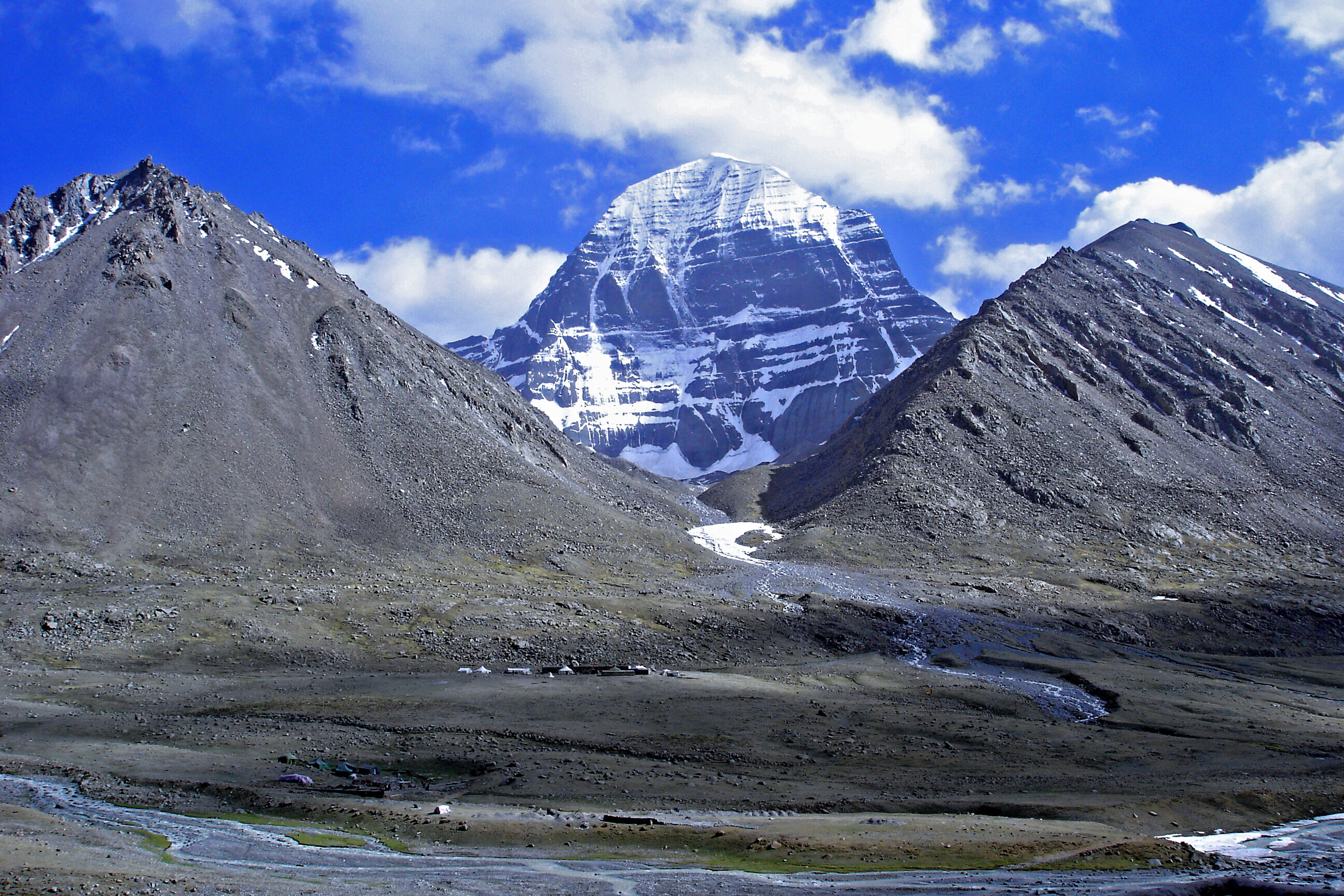
The Kailash Mansarovar Yatra Overland is a high-altitude pilgrimage that combines road travel through the Himalayas with the sacred Mount Kailash parikrama and visits to Lake Manasarovar. Most Nepal-based overland itineraries take roughly 12–15 days, depending on the route, permits, border conditions, acclimatization days, and transport arrangements.
For first-time pilgrims, the most important priorities are acclimatization, valid travel documents, a reliable operator, appropriate clothing, and preparation for the demanding three-day Kailash kora. Conditions and border access can change, so the exact 2026 route should always be confirmed before departure.
What Is the Kailash Mansarovar Yatra Overland?
Definition: The Kailash Mansarovar Yatra overland is a guided pilgrimage to Mount Kailash and Lake Manasarovar in western Tibet, reached primarily by road from Nepal or through another approved land corridor. After reaching the Kailash region, pilgrims traditionally complete a roughly 52-kilometre circumambulation, or kora, around Mount Kailash over about three days.
The journey is both a spiritual pilgrimage and a demanding high-altitude expedition. Mount Kailash is revered in Hinduism, Buddhism, Jainism and Bon, while Lake Manasarovar is one of the region's most important sacred lakes.
The word overland generally means that the major journey is completed by road rather than relying primarily on helicopters or trekking for the approach.
However, "overland" can describe more than one route. Nepal-based itineraries may use corridors such as Kathmandu–Kerung or Simikot–Hilsa, subject to the route's operational status and the permits available for your nationality and departure date.
Why Is the Kailash Mansarovar Yatra Overland Important?
For many pilgrims, the overland journey is part of the pilgrimage itself rather than simply transportation.
The long road journey provides time to gradually enter the Himalayan landscape, experience remote Tibetan settlements and prepare physically and mentally for the Kailash kora.
Mount Kailash is also unusual because its religious significance extends across several traditions. The pilgrimage therefore attracts people for reasons ranging from devotion and prayer to cultural exploration and personal reflection.
How Does the Kailash Mansarovar Yatra Overland Work?
A typical Nepal-based overland journey follows this broad sequence:
- Arrive in Kathmandu and complete trip formalities and preparation.
- Travel toward the Nepal–Tibet border using the route approved for your group.
- Enter Tibet after completing the required immigration and permit procedures.
- Acclimatize at progressively higher elevations before continuing toward Lake Manasarovar.
- Visit Lake Manasarovar and continue to Darchen, the usual base for the Kailash kora.
- Complete the three-day Kailash parikrama, including the demanding Dolma La section.
- Return overland toward the Nepal border and Kathmandu, allowing contingency time for weather and road conditions.
The exact sequence varies. Some current itineraries use the Kerung/Gyirong corridor, while the Simikot–Hilsa route provides another Nepal entry point. The Simikot–Hilsa corridor can involve flights or helicopter transport depending on the package, so it should not automatically be assumed to be a completely road-based itinerary.
What Is a Typical Kailash Mansarovar Overland Itinerary?
A representative 12–15 day Nepal-based itinerary can look like this:
|
Day |
Typical journey |
Main purpose |
|
1 |
Arrive in Kathmandu |
Briefing, preparation and rest |
|
2 |
Kathmandu to border-area destination |
Begin overland journey |
|
3 |
Border/Tibet entry and acclimatization |
Adjust to altitude |
|
4 |
Continue toward Saga or another Tibetan staging point |
Gradual acclimatization |
|
5 |
Travel toward Lake Manasarovar |
Scenic and spiritual highlights |
|
6 |
Manasarovar to Darchen |
Prepare for kora |
|
7 |
Darchen/Yama Dwar to Dirapuk |
First day of Kailash parikrama |
|
8 |
Dirapuk to Dolma La to Zuthulpuk |
Hardest trekking day |
|
9 |
Zuthulpuk to completion of kora |
Return to road transport |
|
10 |
Drive toward the Nepal border |
Begin return journey |
|
11 |
Continue toward Kathmandu |
Road and border formalities |
|
12+ |
Buffer/return/departure |
Contingency or additional travel days |
This is an illustrative itinerary, not a fixed 2026 departure schedule. Published operators currently show itineraries ranging from about 12 days to considerably longer journeys, depending on the route and transportation method.
What Happens During the Kailash Kora?
The kora is generally the physical centerpiece of the pilgrimage.
A commonly published three-day pattern is:
- Day 1: Darchen/Yama Dwar to Dirapuk.
- Day 2: Dirapuk across Dolma La Pass to Zuthulpuk.
- Day 3: Zuthulpuk back toward Darchen.
The full circuit is approximately 52 km, although exact distances and walking times vary by itinerary, route conditions and starting point. The second day is normally considered the most demanding because of the high pass and steep terrain.
What Are the Benefits of Taking the Yatra Overland?
The overland format has several advantages:
- More time in the Himalayan landscape: The road journey becomes part of the experience.
- Potentially lower cost: Road-based group packages can be less expensive than helicopter-focused itineraries, depending on the operator.
- Gradual travel: A well-designed itinerary can include acclimatization stops before the highest sections.
- Shared pilgrimage experience: Group travel allows pilgrims to support one another during difficult sections.
- Less reliance on flights: Road travel can reduce the number of aviation sectors, although border and road conditions still affect the journey.
The key point is that overland does not mean easy. Much of the challenge comes from altitude rather than distance.
What Are the Biggest Challenges of the Kailash Mansarovar Yatra?
Is altitude the main difficulty?
Yes. Altitude is one of the biggest concerns.
Lake Manasarovar is around 4,590 metres above sea level, while the Kailash kora reaches substantially higher elevations. The Dolma La section is commonly cited at around 5,600 metres or more, depending on the source and measurement.
At these elevations, even healthy and physically active travelers can experience altitude illness. The CDC recommends gradual ascent, avoiding rapid increases in sleeping altitude where possible, and discussing preventive medication with a doctor when appropriate.
What does the road journey feel like?
Expect long driving days, rough or uneven sections in places, cold weather, limited facilities and frequent changes in altitude.
A comfortable attitude toward delays is important. Mountain roads and border procedures do not always follow a predictable schedule.
Is the Kailash kora physically difficult?
Yes. The kora should be treated as a serious high-altitude trek, not an ordinary sightseeing walk.
The second day is particularly demanding because it combines a long walking distance with the climb toward Dolma La and a descent afterward.
What Essentials Should You Pack for the Kailash Mansarovar Yatra?
Packing for Kailash is about layers, warmth, walking comfort and altitude practicality rather than carrying a huge amount of luggage.
Clothing
Bring:
- Thermal inner layers
- Warm fleece or insulating mid-layer
- Windproof and waterproof outer jacket
- Warm trousers
- Comfortable trekking trousers
- Wool or thermal socks
- Gloves and an extra pair
- Warm hat and sun hat
- Sunglasses with strong UV protection
- Waterproof, broken-in trekking shoes
- Lightweight sandals or camp footwear
Cold-weather guidance generally favors several loose, warm layers and keeping clothing dry.
Health and personal essentials
Pack:
- Personal prescription medicines
- Basic first-aid supplies
- Doctor-recommended altitude medication, if appropriate
- Sunscreen
- Lip balm with sun protection
- Moisturizer
- Reusable water bottle
- Electrolyte or oral rehydration supplies
- Hand sanitizer
- Tissues and personal hygiene products
- Any required medical documentation
High-altitude sunlight can be intense, and UV exposure is increased at elevation and can occur even when temperatures are low.
Travel and trekking gear
Useful items include:
- Small daypack for the kora
- Headlamp
- Trekking poles
- Power bank
- Universal travel adapter
- Waterproof bags or dry bags
- Passport copies
- Extra passport photographs if requested
- Small personal towel
- Snacks you know you can tolerate at altitude
Keep essential medicines, documents and one change of warm clothing in your hand luggage rather than placing everything in your main baggage.
What Documents and Permits Are Required?
Documentation depends heavily on nationality and the specific route.
For example, India's government-organized Kailash Manasarovar Yatra has its own application process, eligibility requirements and route selection through the official government portal. The 2026 application information specifies an ordinary Indian passport with at least six months' validity as of September 1, among other requirements.
Private Nepal-based journeys can involve different visa and permit arrangements. Foreign travelers should not assume that a visa for Nepal automatically covers the Tibet portion of the journey.
Before paying a deposit, ask your operator to confirm in writing:
- Which border crossing will be used?
- Which permits are included?
- Which visa arrangements apply to your nationality?
- What happens if the planned border crossing closes?
- Are accommodation and meals included?
- Is emergency evacuation covered?
- What happens if weather causes a delay?
Chinese visa and travel requirements can change, including rules affecting different nationalities, so official visa information should be checked shortly before travel.
When Is the Best Time for the Kailash Mansarovar Yatra Overland?
The main pilgrimage season is generally concentrated in the warmer months when roads and high mountain routes are more accessible.
For 2026, published itineraries are concentrated around the summer pilgrimage season, but the exact operating window varies by route and operator.
The best practical approach is not to select a date based only on weather. Check all four factors together:
- Border and permit availability
- Road conditions
- Weather forecast
- Your physical readiness
A trip with a little schedule flexibility is usually safer than one planned around a rigid return flight.
What Are the Common Mistakes People Make?
- Treating Kailash like a normal holiday
This is a high-altitude pilgrimage. Long drives, cold temperatures and strenuous walking can make the trip physically demanding.
- Underestimating acclimatization
Arriving at high altitude and immediately attempting the kora is a poor strategy. Give your body time to adapt according to the itinerary.
- Buying new trekking shoes just before departure
New footwear can create blisters at exactly the wrong time. Break your shoes in before the trip.
- Packing for Kathmandu instead of Tibet
Kathmandu may be warm while the Kailash region is cold and exposed. Pack for the highest and coldest parts of the journey.
- Choosing an itinerary that is too short
A very short itinerary may look attractive on paper, but extra acclimatization and contingency time can be valuable.
- Assuming every "overland" package is the same
One operator may mean Kathmandu–Kerung–Tibet by road, while another may market a Simikot–Hilsa package that includes flights or helicopter sectors. Read the transportation section carefully.
How Can Beginners Prepare for the Kailash Yatra?
Start preparing several weeks in advance.
Walking regularly is useful, but preparation should not focus only on speed or distance. Practice walking uphill, carrying a light daypack and maintaining a steady pace.
The goal is to become comfortable with several hours of continuous walking, rather than trying to become a fast trekker.
If you have any medical condition or concerns about high-altitude travel, speak with a qualified medical professional before booking. The CDC specifically recommends medical consultation for travelers with certain heart, lung and other pre-existing conditions.
What Is the Best Way to Choose a Kailash Mansarovar Overland Tour?
Compare the actual itinerary, not just the advertised price.
A good operator should clearly explain:
- Border crossing
- Number of acclimatization days
- Vehicle type
- Group size
- Accommodation
- Meals
- Porter or pony arrangements for the kora, if offered
- Oxygen and emergency procedures
- Permit and visa handling
- Evacuation arrangements
- Refund or cancellation policy
- Contingency days
A lower advertised price is not necessarily cheaper if important services are excluded.
What Is a Realistic Example of an Overland Kailash Yatra?
Consider a traveler arriving in Kathmandu with reasonable fitness but little high-altitude experience.
Instead of treating the trip as a race, the traveler follows a gradual itinerary, rests properly during acclimatization days, keeps walking speed deliberately slow and carries only essentials during the kora.
By the time the traveler reaches Darchen, the focus is no longer on "finishing quickly." It is on conserving energy for the difficult second day.
This illustrates an important principle: successful Kailash travel depends as much on pacing and preparation as on fitness.
Published route examples similarly build acclimatization around destinations such as Kyirong, Saga, Manasarovar and Darchen before the kora.
What Are Expert Tips for a Better Kailash Mansarovar Yatra?
Keep your walking pace slow
At altitude, rushing wastes energy. Walk steadily and take short, controlled breaks.
Drink regularly
Cold weather can make thirst less noticeable. Follow your operator's hydration guidance and keep water accessible.
Protect yourself from the sun
Use sunglasses, sunscreen, a hat and protective clothing. High-altitude UV exposure can be surprisingly strong.
Keep one flexible day if possible
Border delays, road conditions and weather can disrupt even carefully planned itineraries.
Don't ignore worsening altitude symptoms
Headache, tiredness, nausea and loss of appetite can occur with acute mountain sickness. More serious symptoms include confusion, poor coordination and severe breathing difficulty. Worsening symptoms require prompt medical attention and descent rather than continuing upward.
Focus on the whole journey
The road sections, Tibetan plateau, Lake Manasarovar and Kailash kora are all part of the experience. Trying to optimize every hour can take away from the pilgrimage itself.
Frequently Asked Questions About the Kailash Mansarovar Yatra Overland
How many days is the Kailash Mansarovar Yatra by road?
A Nepal-based overland Kailash Mansarovar Yatra commonly takes around 12–15 days, although some itineraries are shorter or considerably longer. Duration depends on the border route, acclimatization schedule, permits, road conditions and whether flights or helicopters are included.
Can you travel to Kailash Mansarovar completely by road?
Not necessarily. "Overland" usually means the main journey is road-based, but some Nepal routes may include flights or helicopter sectors, particularly around Simikot and Hilsa. Always check the transportation schedule before booking if a fully road-based journey is important to you.
How difficult is the Kailash Mansarovar Yatra?
It is physically demanding because of extreme altitude, cold, long travel days and the three-day Kailash kora. The crossing of Dolma La is generally the most challenging section. Good preparation helps, but fitness does not eliminate altitude risk.
What is the highest point of the Kailash Yatra?
The kora crosses Dolma La, commonly reported at roughly 5,600–5,700 metres depending on the source and measurement. This makes acclimatization especially important. Travelers should follow their guide's instructions and never push through serious altitude symptoms.
What should I pack for Kailash Mansarovar?
Pack warm layered clothing, waterproof trekking shoes, gloves, a warm hat, sunglasses, sunscreen, personal medication, a first-aid kit, water bottle, trekking poles, power bank and important documents. Keep essential items accessible rather than buried in checked luggage.
Is Kailash Mansarovar safe for older travelers?
Age alone does not determine suitability, but high altitude makes medical preparation especially important. Older travelers should discuss the itinerary with a doctor experienced in high-altitude travel and choose an operator with clear emergency and evacuation procedures.
Do I need a guide or organized tour for the Tibet portion?
Travel and permit requirements depend on nationality and route. Private Nepal-based Kailash journeys are normally arranged through tour operators because Tibet permits, border procedures and transportation require coordinated logistics. Confirm the current requirements for your nationality before booking.
What is the difference between overland and helicopter Kailash Yatra?
An overland journey uses road transport for the main approach and generally takes longer. A helicopter itinerary replaces some difficult road sectors with air travel and can reduce travel time, but it may cost more. The right choice depends on budget, time, physical ability and personal preference.
Final Kailash Mansarovar Overland Checklist
Before departure, make sure you have:
- Valid passport and required travel documents
- Confirmed Tibet permits and visa arrangements
- Travel insurance appropriate for high-altitude travel
- Medical clearance if recommended
- Broken-in trekking shoes
- Warm layered clothing
- Sun protection
- Personal medication
- Basic first-aid supplies
- Water bottle and hydration supplies
- Small daypack for the kora
- Trekking poles
- Power bank and essential electronics
- Emergency contact information
- At least some schedule flexibility
Conclusion
The Kailash Mansarovar Yatra overland is more than a road trip: it is a demanding high-altitude pilgrimage combining Tibetan landscapes, Lake Manasarovar and the sacred Kailash kora. The smartest preparation is to choose the correct route, verify permits and border conditions, allow enough acclimatization time and pack for cold, altitude and long walking days. Start by comparing complete itineraries rather than headline prices, and confirm all 2026 arrangements with your operator and the relevant authorities before departure.
Planning note: Route availability, permits, visa rules and border procedures can change. The official Indian Kailash Manasarovar Yatra portal should be used for the government-organized Indian route, while travelers using private routes should verify current requirements with their operator and the relevant Chinese/Nepalese authorities.
下一則: Бонусный код MAX2X в 1xBet — бонус до 32 500 ₽ в 2027 году
- 1xBet Code promo 2027 : 1XVIP1X – Offre officielle
- 24/7 Dry Cleaning Near Rosenberg | TX | Brite Touch Cleaners
- What Are Jnetoto and Toto Macau? Key Features Explained
- What Is Slot Volatility and Why Does It Matter?
- The Benefits of Meal Prepping for a Healthier Lifestyle
- What Does Both Teams to Score Mean in Football Betting?
限會員,要發表迴響,請先登入


