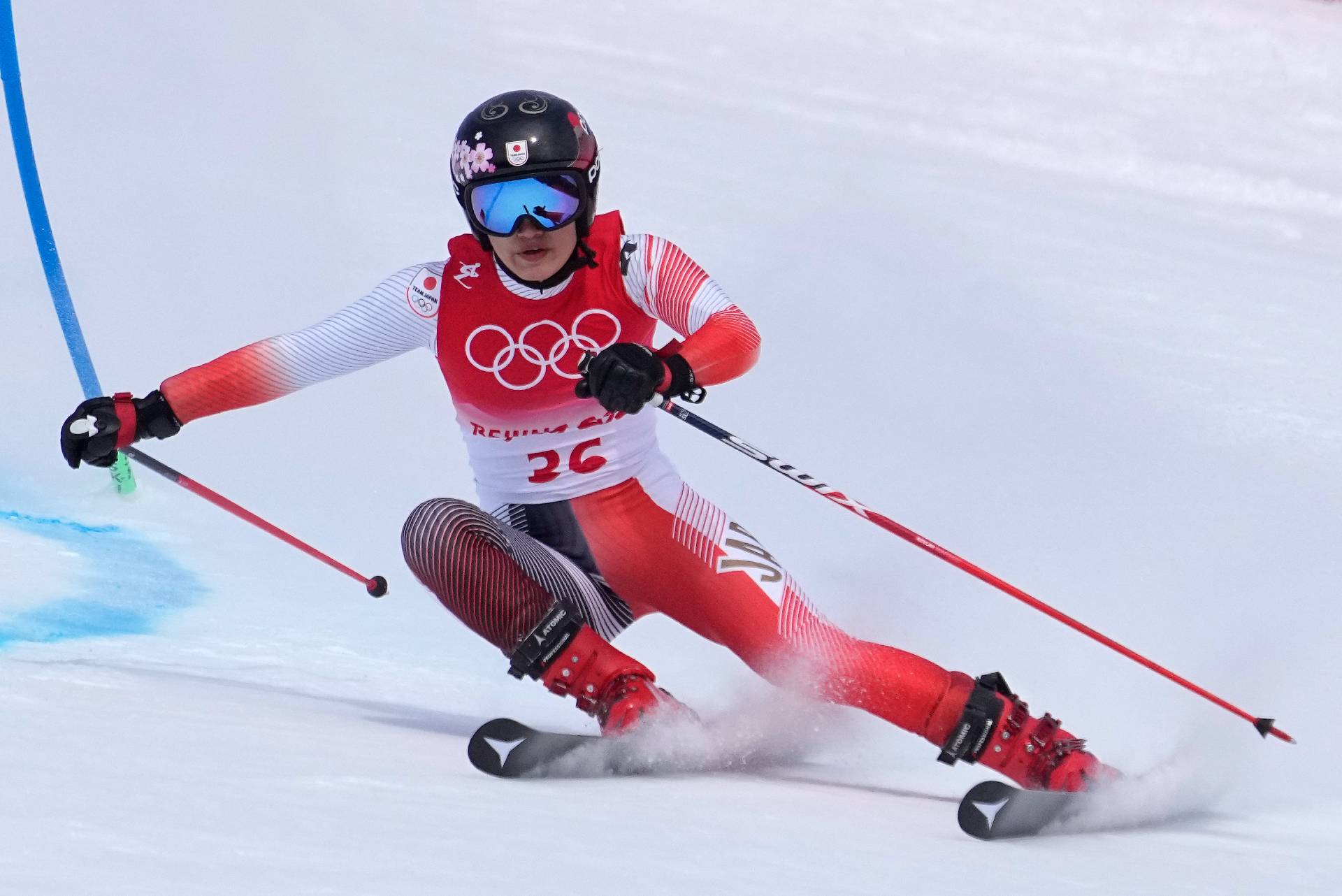
Japanese skis are specialized snow skis designed primarily to float in Japan's famously deep, dry powder snow.
They feature wider waists, unique rocker profiles, and premium craftsmanship tailored for deep snow conditions.
Whether you are a beginner or a pro, choosing the right pair ensures a smoother, more enjoyable ride down the mountain.
What Are Japanese Skis?
What are Japanese skis?
Japanese skis are high-quality, handcrafted snow skis specifically engineered to handle "Japow"—Japan's legendary deep, light powder snow. They typically feature wider dimensions, unique rocker shapes, and lightweight cores to maximize float and maneuverability in deep snow conditions.
Why Are Japanese Skis Important?
Skiing in Japan is unlike anywhere else in the world. The snow is incredibly deep and surprisingly light.
Standard carving skis will sink in these conditions. This causes immense leg fatigue and makes turning very difficult.
Japanese skis keep you above the snowpack. They turn a struggling skier into a confident powder rider.
How Do Japanese Skis Work?
The secret is in the surface area and the shape of the ski.
A wider "waist" under your boot acts like a snowshoe, distributing your weight evenly.
Combined with an early-rise "rocker" at the tip, the ski naturally planes above the snow. This lets you steer effortlessly instead of fighting the deep powder.
What Are the Benefits of Japanese Skis?
Here are the main advantages you will experience:
- Effortless Float: Stay above deep snow without leaning back constantly.
- Less Leg Fatigue: Save your thighs from burning out by lunchtime.
- Agility in Trees: Shorter turn radiuses make dodging trees much easier.
- Premium Durability: Handcrafted construction ensures the skis last for many seasons.
What Are the Common Mistakes People Make?
Many skiers make simple errors when buying. The most common mistake is going too wide for their skill level.
Another frequent error is ignoring the binding mount point. A poorly placed binding ruins the ski's natural balance.
Finally, people often buy skis that are too stiff. Stiff skis are great for ice, but terrible for soft Japanese powder.
How Can Beginners Get Started?
If you are new to powder skiing, follow these steps:
- Assess your true skill level. Be honest about your abilities on ungroomed snow.
- Determine your primary terrain. Decide if you want 100% powder or an all-mountain mix.
- Consult a professional boot fitter. Great skis are useless without well-fitting boots.
- Rent before you buy. Test different widths in Japan to feel what works best.
Expert Tips for Better Results
Always look closely at the waist width before buying. A width of 105–115mm is the absolute sweet spot for dedicated powder days.
If you want one ski for both powder and groomed runs, stick to 95–105mm.
Also, pair your skis with lightweight bindings to keep your overall setup nimble.
Real-World Example: Experiencing the Difference
Consider a skier transitioning from standard narrow skis to premium Ogasaka skis in Niseko.
On day one with standard skis, they were exhausted and sinking. On day two, they switched to a 110mm Japanese powder ski.
The result? They instantly felt balanced, floated easily, and enjoyed tree runs without falling. The right tool changes everything.
Standard Skis vs. Japanese Powder Skis
|
Feature |
Standard Skis |
Japanese Powder Skis |
|
Waist Width |
70–85mm |
100–120mm+ |
|
Best Terrain |
Groomed runs, ice |
Deep powder, tree runs |
|
Ski Profile |
Full camber |
Tip rocker or full rocker |
|
Flex |
Stiff and rigid |
Soft to medium |
Frequently Asked Questions
Are Japanese ski brands good?
Yes, Japanese ski brands are renowned worldwide for their exceptional craftsmanship. Brands like Ogasaka and Vector Glide use high-quality materials and precise engineering, creating durable skis that excel in deep powder.
What waist width do I need for skiing in Japan?
For dedicated deep powder days in Japan, a waist width of 105mm to 120mm is ideal. If you want an all-mountain ski for various conditions, look for 95mm to 105mm.
Can I use Japanese powder skis on groomed runs?
Yes, but they are not optimal. Wide powder skis are slower edge-to-edge on hardpack snow. However, many modern Japanese skis feature a camber underfoot to help grip groomed runs when necessary.
What is the most famous Japanese ski brand?
Ogasaka is one of the oldest and most respected ski manufacturers in Japan. They are highly regarded for their rich history, meticulous construction, and incredible performance in soft snow.
Should I buy or rent skis in Japan?
If you only ski powder occasionally, renting in Japan is very convenient. If you frequently travel for powder skiing and want a consistent, perfectly tuned setup, buying your own pair is worth the investment.
Conclusion
Investing in the right Japanese skis will completely transform your powder skiing experience. By choosing a ski with the correct width, rocker, and flex, you can float effortlessly and eliminate leg fatigue. Remember to match the ski to your skill level and test different setups if possible. Ready to conquer Japow? Start comparing top Japanese brands today and get ready for the best turns of your life.
下一則: 1xBet Bonus Code 2027: 1XWAP200 – Welcome Offer
- What Is Slot Volatility and Why Does It Matter?
- Best Sublimation Printer and Heat Press Machine for T-Shirt Printing
- Slot Casino: A Journey Through Chance, Design, and Digital Evolution
- Бонусный код MAX2X в 1xBet — бонус до 32 500 ₽ в 2027 году
- What Tools Do You Need for Electronics Repair?
- A Complete Guide to Choosing Safe and Reliable Mobile Massage Services
限會員,要發表迴響,請先登入


