To plan a self-guided Kumano Kodo Trail trek, you need to select a route—ideally the Nakahechi—book your traditional guesthouses (minshuku) months in advance, and utilize Japan’s efficient train and local bus systems to transport yourself and your luggage between trailheads.
A successful DIY pilgrimage requires securing regional transit passes, understanding rural bus schedules, and mapping out your daily hiking distances. With a bit of forward planning, navigating this ancient trail independently is entirely manageable for global travelers.
What Is the Kumano Kodo Trail?
Definition: The Kumano Kodo is a network of ancient pilgrimage trails spanning the mountainous Kii Peninsula of Japan. For over a millennium, emperors, samurai, and modern hikers have walked these sacred paths to reach the Kumano Sanzan—a trio of holy Shinto-Buddhist shrines.
Why Is the Kumano Kodo Trail Important?
The Kumano Kodo is deeply significant because it is one of only two pilgrimage routes in the world designated as UNESCO World Heritage sites (the other being the Camino de Santiago in Spain).
Unlike trails that focus purely on nature, this trek is a spiritual journey. It represents centuries of religious syncretism, where indigenous Shinto nature worship beautifully blended with imported Buddhist traditions.
How Does a Self-Guided Kumano Kodo Trek Work?
A self-guided trek means you hike without a tour leader, navigating the well-marked trails at your own pace. You will carry a daypack while your main luggage is forwarded ahead, staying in remote village lodges each night.
The Standard 4-Day Nakahechi Route Itinerary
- Day 1: Kii-Tanabe to Takahara – Take a local bus to Takijiri-oji (the official trailhead) and hike a steep 4 km up to the "village in the mist."
- Day 2: Takahara to Tsugizakura-oji (Nonaka) – A challenging 13 km trek through dense cedar forests and quiet mountain hamlets.
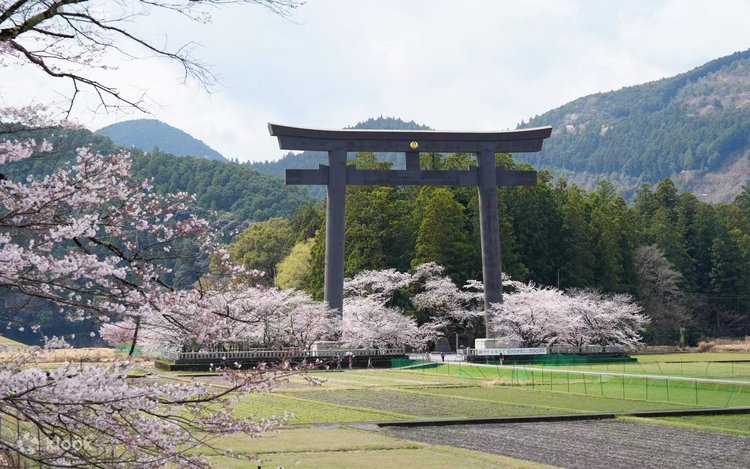
- Day 3: Tsugizakura-oji to Kumano Hongu Taisha – A long 21 km hike leading to the main grand shrine and the massive Oyunohara Torii gate.
- Day 4: Hongu Area to Kumano Hayatama Taisha – Take a traditional boat ride or bus down the Kumano River to Shingu to visit the second grand shrine.
What Are the Benefits of a Self-Guided Kumano Kodo Trail Trek?
- Complete Freedom: You set your own pace, take breaks whenever you want, and spend extra time meditating at ancient shrines.
- Cultural Immersion: Staying in local minshuku allows you to experience authentic Japanese hospitality, soak in natural onsen (hot springs), and eat traditional multi-course kaiseki dinners.
- Cost Efficiency: Booking logistics yourself eliminates steep tour-operator markups, making the trip far more affordable.
What Are the Common Mistakes People Make?
The most frequent mistake hikers make is underestimating the terrain. The trails feature steep, relentless stone staircases that can be incredibly slick when wet.
Another major error is failing to book accommodation early. Because the villages along the trail are tiny, guesthouses routinely fill up six to nine months in advance, leaving late planners with nowhere to sleep.
How Can Beginners Get Started?
If you are new to multi-day hiking or navigating rural Japan, use this simple checklist to kickstart your planning:
- [ ] Pick the Nakahechi Route: It is the most accessible route with excellent English signage and robust bus support.
- [ ] Check Guesthouse Availability: Use the official Kumano Travel Community Reservation System to view open lodges.
- [ ] Train Your Legs: Focus on stair climbing and hiking with a weighted backpack at least two months before your trip.
- [ ] Buy a JR Pass or Regional Ticket: Secure a Kansai WIDE Area Pass to cover your train travel from Osaka or Kyoto to Kii-Tanabe.
Expert Tips for Better Logistics and Planning
To make your trek run as smoothly as possible, keep these logistical secrets in mind:
Route Comparison: Nakahechi vs. Kohechi
|
Feature |
Nakahechi Route (Recommended) |
Kohechi Route (Advanced) |
|
Difficulty Level |
Moderate |
Strenuous / Expert |
|
Signage & Infrastructure |
Excellent (English & Japanese) |
Limited |
|
Public Bus Access |
Frequent along the main highway |
Very sparse |
|
Best Suited For |
First-timers and solo trekkers |
Experienced alpine hikers |
- Use Luggage Shuttle Services: Do not hike with a 50-liter backpack. Local operators will transport your heavy suitcases from guesthouse to guesthouse for a small fee per bag.
- Carry Cash: Rural villages do not accept credit cards or digital payments. Bring plenty of Japanese Yen for local buses, drinks at vending machines, and lunch stops.
- Download Offline Maps: While the trail is well-signed, cellular service can be spotty. Keep offline maps like Maps.me or Google Maps downloaded on your device.
Real-World Scenario: Navigating a Rainy Day on the Trail
Imagine waking up at your guesthouse in Takahara to heavy rain. On a self-guided trek, you hold the power to pivot.
Instead of risking a slip on the wet stone paths to Tsugizakura, you can simply walk down to the nearest road, catch the local Ryujin bus directly to your next destination, and spend the afternoon dry and warm inside a hot spring cafe. This flexibility keeps the trip stress-free.
Frequently Asked Questions (PAA)
Do I need a guide for the Kumano Kodo?
No, a guide is not necessary. The Nakahechi route is exceptionally well-marked with numbered signposts every 500 meters, and English maps provided by the local tourism bureau make navigation simple.
How do I get to the Kumano Kodo from Osaka?
Take the JR Kuroshio Limited Express train from Osaka’s Shin-Osaka or Tennoji Station directly to Kii-Tanabe Station. The journey takes roughly 2 to 2.5 hours and is fully covered by the JR Kansai WIDE Area Pass.
Can you do Kumano Kodo as a day trip?
Yes. If you are short on time, you can take a bus from Kii-Tanabe to Hosshinmon-oji and enjoy an easy, scenic 7 km walk down to the Kumano Hongu Taisha shrine before returning to the city by bus.
What should I pack for a self-guided Kumano Kodo trek?
Pack high-quality waterproof rain gear, sturdy hiking boots with good grip, trekking poles to save your knees on downhill slopes, a 20-30L daypack, and a refillable water bottle.
Are there places to buy lunch along the trail?
Options are very limited deep in the woods. However, almost all minshuku (guesthouses) will pack a fresh, traditional bento lunch box for you each morning if you request it when booking your stay.
Conclusion
Planning a self-guided Kumano Kodo trek requires upfront logistical work, but the reward is a deeply rewarding, flexible, and authentic journey through Japan's sacred heartland. By booking your accommodation early, utilizing regional bus networks, and leveraging luggage forwarding services, you can focus entirely on the spiritual and physical beauty of the trail.
Ready to walk the path of emperors? Head over to the official Kumano Travel registry today and start locking in your mountainside guesthouses before they fill up!
下一則: The Fascinating World of Slot Entertainment: From Simple Spins to Modern Experiences
- What Does “Slot Gacor” Mean? Understanding Popular Slot Terms
- What Is Slot Volatility and Why Does It Matter?
- The Exciting World of Online Slot Games
- Best Sublimation Printer and Heat Press Machine for T-Shirt Printing
- What Does Both Teams to Score Mean in Football Betting?
- Slot Casino: A Journey Through Chance, Design, and Digital Evolution
限會員,要發表迴響,請先登入


