Ursula K. LE Guin
Ursula Kroeber Le Guin is an American author of novels, children's books, and short stories, mainly in the genres of fantasy and science fiction. She has also written poetry and essays. First published in the 1960s, her work has often depicted futuristic or imaginary alternative worlds in politics, natural environment, gender, religion, sexuality and ethnography.
https://en.wikipedia.org/wiki/Ursula_K._Le_Guin

Detective fiction
https://en.wikipedia.org/wiki/Detective_fiction
mystery fiction
https://en.wikipedia.org/wiki/Mystery_fiction
crime fiction
https://en.wikipedia.org/wiki/Crime_fiction
adventure fiction
https://en.wikipedia.org/wiki/Adventure_fiction
Sherlock Holmes
https://en.wikipedia.org/wiki/Sherlock_Holmes
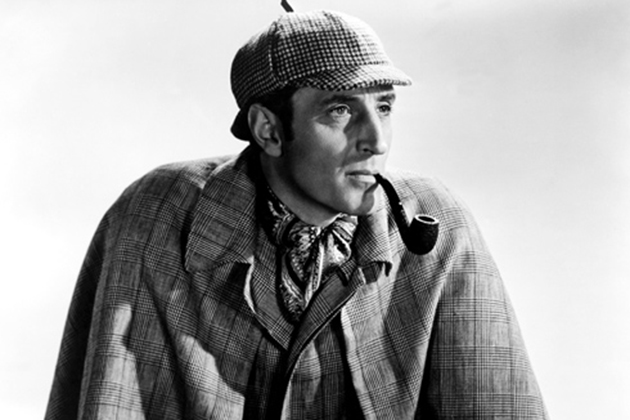
Sir Arthur Conan Doyle
Sir Arthur Ignatius Conan Doyle KStJ, DL (22 May 1859 – 7 July 1930) was a Scottish writer and physician, most noted for his fictional stories about the detective Sherlock Holmes, which are generally considered milestones in the field of crime fiction.
He is also known for writing the fictional adventures of a second character he invented, Professor Challenger, and for popularising the mystery of the Mary Celeste. He was a prolific writer whose other works include fantasy and science fiction stories, plays, romances, poetry, non-fiction and historical novels.
https://en.wikipedia.org/wiki/Arthur_Conan_Doyle
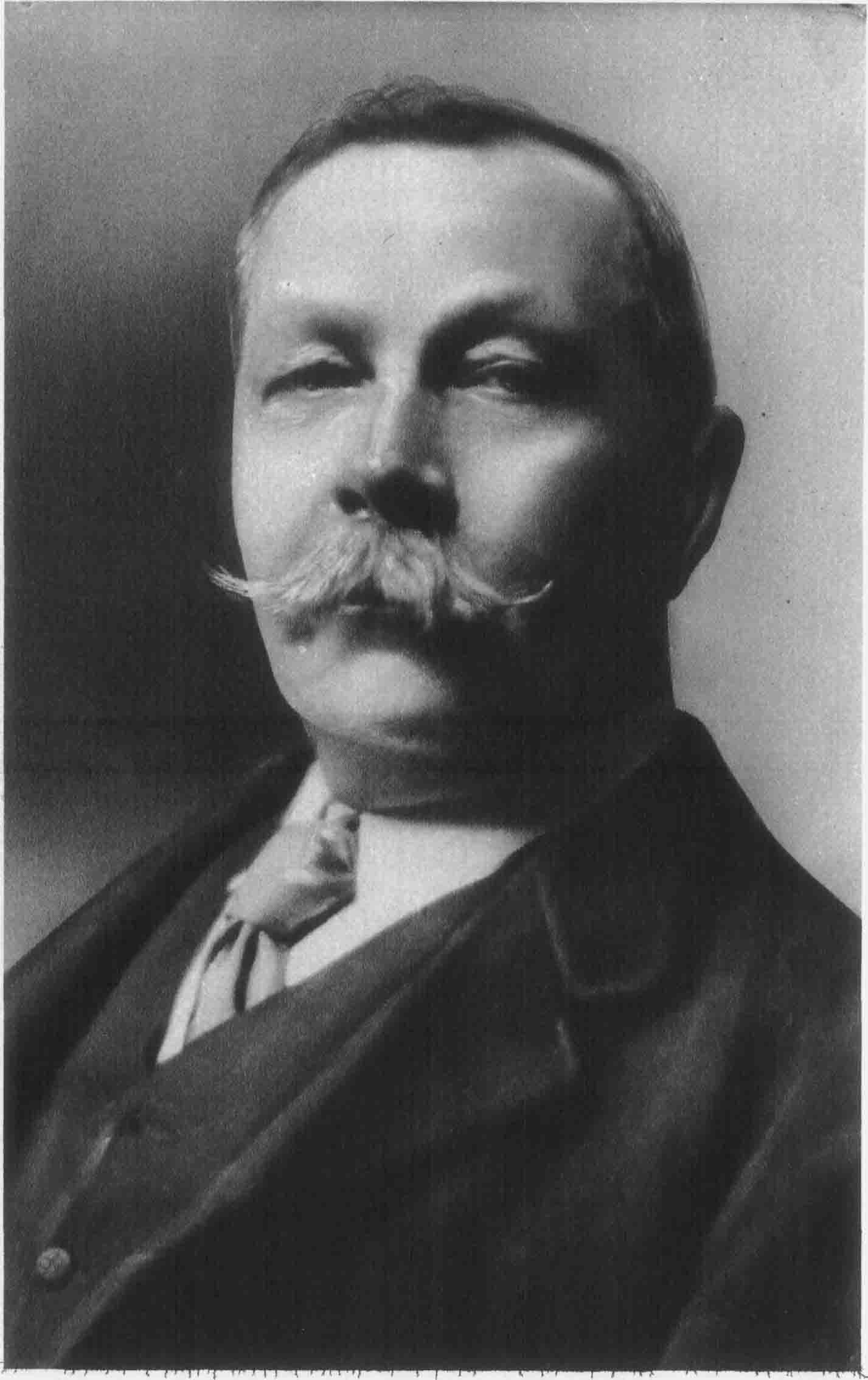
Edgar Allan Poe
Edgar Allan Poe (/poʊ/; born Edgar Poe; January 19, 1809 – October 7, 1849) was an American author, poet, editor, and literary critic, considered part of the American Romantic Movement. Best known for his tales of mystery and the macabre, Poe was one of the earliest American practitioners of the short story, and is generally considered the inventor of the detective fiction genre. He is further credited with contributing to the emerging genre of science fiction. He was the first well-known American writer to try to earn a living through writing alone, resulting in a financially difficult life and career.
https://en.wikipedia.org/wiki/Edgar_Allan_Poe
mor-
morgue
mortician
mortify
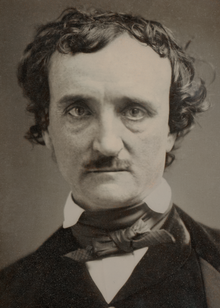
sloth 樹懶
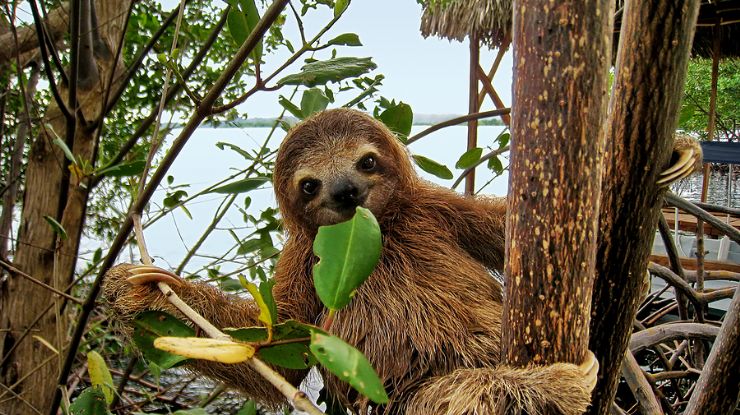
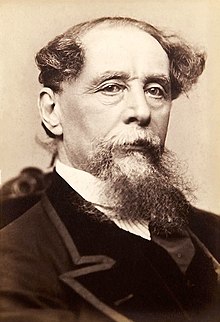
Charles Dickens
Charles John Huffam Dickens (/ˈtʃɑrlz ˈdɪkɪnz/; 7 February 1812 – 9 June 1870) was an English writer and social critic. He created some of the world's best-known fictional characters and is regarded as the greatest novelist of the Victorian era. His works enjoyed unprecedented popularity during his lifetime, and by the twentieth century critics and scholars had recognised him as a literary genius. His novels and short stories enjoy lasting popularity.
https://en.wikipedia.org/wiki/Charles_Dickens
homicide 殺同類
Homicide is the act of a human being causing the death of another human being.
https://en.wikipedia.org/wiki/Homicide
omaginary (adj.)
image (v.)
H.G. Wells
Herbert George Wells (21 September 1866 – 13 August 1946)—known as H. G. Wells—was a prolific English writer in many genres, including the novel, history, politics, and social commentary, and textbooks and rules for war games. He is now best remembered for his science fiction novels, and Wells is called a father of science fiction. His most notable science fiction works include The Time Machine (1895), The Island of Doctor Moreau (1896), The Invisible Man (1897), and The War of the Worlds(1898).
https://en.wikipedia.org/wiki/H._G._Wells

The ones who walk away from Omelas
"The Ones Who Walk Away from Omelas" is a 1973 plotless, short, descriptive work of philosophical fiction, popularly classified as a short story, by Ursula K. Le Guin. Its narrator seems deliberately uncertain or indecisive, sparsely and abstractly describing a few nameless characters in a vividly imagistic description of a summer festival in Omelas, a utopian city whose prosperity and success depend on the perpetual misery of a single child, kept locked beneath it in squalor and torture.
https://en.wikipedia.org/wiki/The_Ones_Who_Walk_Away_from_Omelas

dystopia 反烏托邦
https://en.wikipedia.org/wiki/Dystopia
neverland
Neverland is a fictional location featured in the works of J. M. Barrie and those based on them. It is the dwelling place ofPeter Pan, Tinker Bell, the Lost Boys and others. Although not all people in Neverland cease to age, its best known resident famously refused to grow up, and it is often used as a metaphor for eternal childhood (and childishness), immortality, andescapism. It was first introduced as "the Never Never Land" in the theatre play Peter Pan, or The Boy Who Wouldn't Grow Upby Scottish writer J. M. Barrie, first staged in 1904.
https://en.wikipedia.org/wiki/Neverland

The Island
http://www.imdb.com/title/tt0399201/

限會員,要發表迴響,請先登入


